Table of Contents
ToggleBest Influencer Marketing: The Ultimate Guide to Boost Brand Reach and Engagement
In today’s digital landscape, influencer marketing has become one of the most powerful ways to build brand awareness, increase engagement, and drive sales. By collaborating with trusted creators, brands can connect with highly engaged audiences in an authentic way.
This guide covers everything you need to know about the best influencer marketing strategies, tools, platforms, types of influencers, and trends in 2026, helping your brand stay ahead in the competitive marketing space.
What is Influencer Marketing?
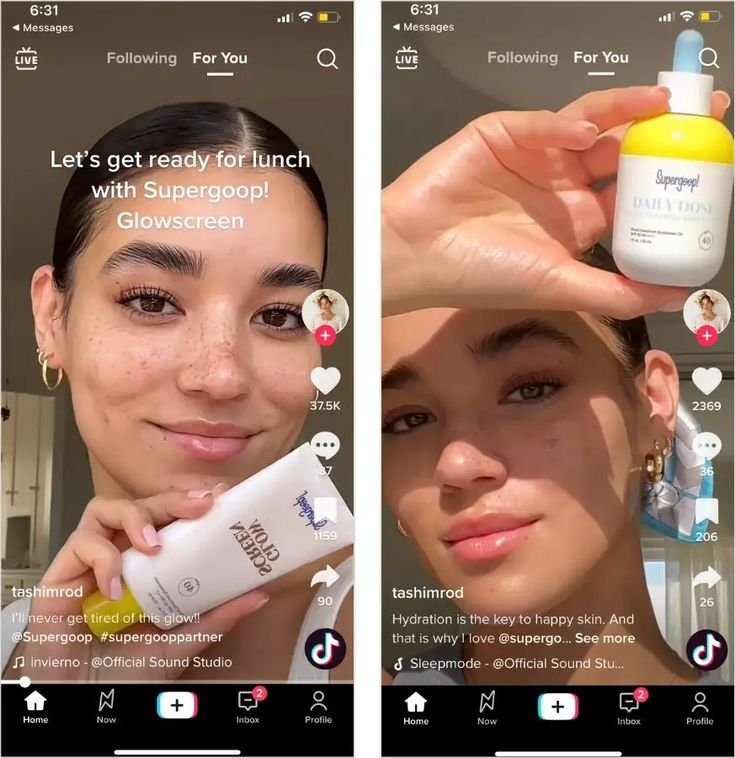
Influencer marketing is a strategy where brands partner with individuals who have a loyal and engaged following to promote products, services, or campaigns. Unlike traditional advertising, influencer marketing leverages trust, credibility, and personal influence to reach target audiences.
Why It Works:
-
Influencers already have loyal and engaged audiences.
-
Content feels authentic and relatable.
-
Consumers trust recommendations from influencers more than ads.
Why Influencer Marketing is Crucial for Brands in 2026
Influencer marketing has evolved from a trend to a necessity for modern brands. Here’s why:
1. Authentic Engagement
Influencers create content that resonates with audiences, increasing trust and brand loyalty.
2. Expanded Reach
Collaborating with influencers gives brands access to niche or global audiences that are otherwise hard to target.
3. Improved ROI
Influencer marketing often delivers higher ROI than traditional digital advertising because it targets engaged, relevant audiences.
4. Better Content Creation
Influencers are professional content creators. Partnering with them gives brands high-quality photos, videos, and social content.
5. Adaptable to Platforms
Influencer campaigns work on Instagram, TikTok, YouTube, LinkedIn, and emerging platforms, making them versatile for any marketing goal.
Types of Influencers
Influencers can be categorized based on their follower count, niche, and engagement:
1. Mega-Influencers
-
Followers: 1M+
-
Platforms: Instagram, YouTube, TikTok
-
Best For: Brand awareness, large campaigns
-
Pros: Massive reach, strong credibility
-
Cons: High cost, lower engagement rate
2. Macro-Influencers
-
Followers: 100K – 1M
-
Best For: Broad campaigns targeting multiple demographics
-
Pros: Good reach, professional content
-
Cons: Moderate engagement rate, medium cost
3. Micro-Influencers
-
Followers: 10K – 100K
-
Best For: Niche markets, high engagement campaigns
-
Pros: Highly engaged followers, affordable
-
Cons: Limited reach
4. Nano-Influencers
-
Followers: 1K – 10K
-
Best For: Hyper-targeted campaigns
-
Pros: Authentic recommendations, excellent engagement
-
Cons: Small reach, may need multiple collaborations
Best Platforms for Influencer Marketing
Choosing the right platform depends on your brand, niche, and target audience.
1. Instagram
-
Ideal for visual content: photos, Reels, Stories
-
Best for fashion, beauty, lifestyle, food, and travel
2. TikTok
-
Short-form, viral video content
-
Popular with Gen Z and Millennial audiences
3. YouTube
-
Long-form content, tutorials, reviews
-
Best for technology, gaming, education, and product demonstrations
4. LinkedIn
-
B2B influencer marketing
-
Ideal for professional services, SaaS, and corporate brands
5. Twitter / X
-
Real-time engagement and trends
-
Useful for news, tech, and entertainment brands
How to Find the Best Influencers
Finding the right influencer is crucial for campaign success.
Steps to Identify the Best Influencers:
-
Define your target audience: Age, location, interests
-
Analyze engagement rate: Comments, shares, likes
-
Check content relevance: Does their niche align with your brand?
-
Assess authenticity: Avoid influencers with fake followers or engagement
-
Use influencer platforms: Tools like Upfluence, AspireIQ, Traackr, or Heepsy
-
Review past collaborations: Look at previous campaigns’ performance
Influencer Marketing Strategies That Work
Successful influencer campaigns combine strategy, creativity, and analytics.
1. Sponsored Posts
-
The most common strategy
-
Influencers create content featuring your product or service
-
Works best for Instagram posts, TikTok videos, and YouTube reviews
2. Product Reviews
-
Influencers review your product honestly
-
Builds trust and credibility
-
Highly effective for consumer electronics, fashion, and beauty
3. Giveaways & Contests
-
Partner with influencers to host giveaways
-
Increases brand visibility and engagement
-
Effective for social media growth and lead generation
4. Brand Ambassadors
-
Long-term collaboration with selected influencers
-
Promotes consistent messaging and loyalty
-
Ideal for lifestyle, fitness, and tech brands
5. Affiliate Marketing
-
Influencers earn commission for sales they generate
-
Drives direct ROI and measurable results
-
Popular for e-commerce, SaaS, and subscription-based businesses
6. Takeovers
-
Influencers temporarily manage your brand’s social media
-
Provides fresh content and audience engagement
-
Works best for Instagram Stories, TikTok, or YouTube channels
Measuring Influencer Marketing Success
Tracking and analyzing performance ensures ROI and campaign optimization.
Key Metrics:
-
Engagement Rate: Likes, comments, shares relative to followers
-
Reach & Impressions: Total audience exposure
-
Conversions: Website visits, sign-ups, or sales generated
-
Referral Traffic: Traffic from influencer’s links or codes
-
ROI: Revenue generated vs. campaign cost
Tools to Manage Influencer Marketing
Several tools simplify influencer marketing management:
-
Upfluence: Influencer discovery, campaign management, analytics
-
AspireIQ: Collaboration platform for long-term partnerships
-
Traackr: Influencer relationship management and reporting
-
BuzzSumo: Find trending influencers in your niche
-
HypeAuditor: Check influencer authenticity and engagement
Influencer Marketing Best Practices
-
Choose authentic influencers aligned with your brand
-
Define campaign goals clearly: awareness, engagement, conversions
-
Set a realistic budget: Nano and micro-influencers are cost-effective
-
Provide creative freedom to influencers
-
Track performance with analytics tools
-
Repurpose influencer content on your brand channels
Common Influencer Marketing Mistakes to Avoid
-
Ignoring audience alignment
-
Focusing only on follower count instead of engagement
-
Overlooking contract agreements and deliverables
-
Not tracking campaign performance
-
Using too many influencers simultaneously, causing inconsistent messaging
Influencer Marketing Trends in 2026
-
AI-driven influencer discovery: Automated selection based on engagement and relevance
-
Short-form video dominance: TikTok and Instagram Reels lead engagement
-
Nano and micro-influencers rise: Authenticity over reach
-
Interactive content: AR filters, polls, and live streams
-
Long-term brand ambassador partnerships: Building loyalty and consistent messaging
Case Studies: Successful Influencer Marketing Campaigns
1. Fashion Brand Collaboration
A global fashion brand partnered with micro-influencers on Instagram Reels, generating 500K+ impressions and a 30% increase in sales in one month.
2. Tech Product Launch
A smartphone company collaborated with YouTube tech reviewers, achieving 1M+ video views, high engagement, and pre-orders exceeding targets.
3. Fitness & Health Brand
A supplement brand partnered with nano-influencers on TikTok, leading to authentic engagement, viral challenges, and 10K+ new customers.
How to Scale Influencer Marketing
-
Automate influencer discovery and outreach
-
Build long-term partnerships
-
Repurpose influencer content across social channels
-
Use affiliate marketing to track ROI
Influencer Marketing vs Paid Ads vs Content Marketing
| Aspect | Influencer Marketing | Paid Ads | Content Marketing |
|---|---|---|---|
| Trust | High | Medium | Medium-High |
| Reach | Targeted | Broad | Organic/Slow |
| Cost | Variable | High | Low-Moderate |
| Engagement | High | Medium | Medium |
| ROI | High when done right | Immediate | Long-term |
Conclusion: Influencer marketing bridges the gap between brand awareness, engagement, and authenticity—something paid ads or content marketing alone may struggle to achieve.
Conclusion
Influencer marketing is no longer optional—it’s a strategic necessity for brands in 2026. By collaborating with the right influencers, choosing the best platforms, and leveraging tools for analytics and management, brands can boost reach, engagement, and conversions effectively.
The key to success lies in authenticity, relevance, and long-term partnerships, allowing brands to connect meaningfully with their audience while driving tangible business results.
Investing in the best influencer marketing strategies and services today ensures your brand stays ahead in a crowded digital landscape.
Meta Description (160 characters):
“Boost brand reach and engagement with the best influencer marketing strategies, connecting with top creators for authentic, high-impact results.”
Suggested SEO Keywords:
Best influencer marketing, influencer marketing strategies, top influencers, social media marketing, influencer campaigns, Instagram influencers, TikTok marketing, YouTube influencer marketing