Table of Contents
ToggleBest ROAS Optimization Strategies to Maximize Advertising Profit in 2026 (Complete 3000-Word Guide)
Introduction: Why ROAS Optimization Is the Key to Profitable Advertising
In today’s competitive digital advertising landscape, running ads is easy—but running profitable ads is not. Rising CPMs, increasing competition, privacy changes, and shorter attention spans have made it harder than ever to get consistent returns. This is where ROAS optimization becomes the ultimate performance metric.
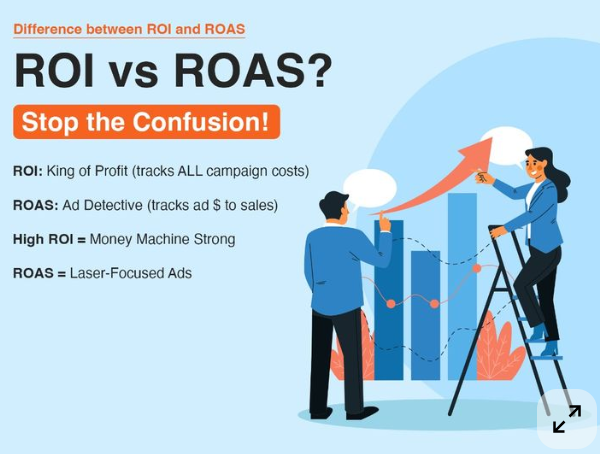
ROAS (Return on Ad Spend) tells you how much revenue you generate for every unit of currency spent on advertising. Unlike vanity metrics such as clicks or impressions, ROAS focuses directly on profitability and scalability.
A business that optimizes ROAS can:
-
Scale ad spend confidently
-
Reduce wasted budget
-
Increase profit margins
-
Make smarter data-driven decisions
In this in-depth guide, you’ll learn:
-
What ROAS is and how it works
-
Proven ROAS optimization strategies
-
Platform-specific optimization techniques
-
Funnel, creative, and landing page improvements
-
Advanced ROAS tactics for 2026
Let’s break down how to consistently improve ROAS across all ad platforms.
1. What Is ROAS?
ROAS (Return on Ad Spend) measures the revenue earned for every dollar (or rupee) spent on ads.
ROAS Formula:
ROAS = Revenue ÷ Ad Spend
Example:
If you spend ₹10,000 on ads and generate ₹40,000 in revenue:
ROAS = 4.0 (or 400%)
2. Why ROAS Optimization Matters
2.1 Profit-Focused Marketing
ROAS optimization ensures ad campaigns are focused on revenue—not just traffic.
2.2 Better Budget Allocation
By identifying high-ROAS campaigns, you can shift budget to what actually works.
2.3 Sustainable Scaling
High ROAS campaigns can be scaled safely without burning cash.
2.4 Stronger Business Decisions
ROAS helps align marketing goals with business outcomes like profit and lifetime value.
3. Understanding Good ROAS Benchmarks
There is no universal “perfect” ROAS. It depends on:
-
Industry
-
Business model
-
Profit margins
-
Customer lifetime value (LTV)
General ROAS Benchmarks:
-
E-commerce: 3x–5x
-
Lead generation: 4x–10x
-
High-ticket services: 5x+
-
Subscription/SaaS: 2x–4x initially (higher long-term LTV)
Always define ROAS targets based on profit, not ego.
4. Set the Right ROAS Foundation
ROAS optimization starts before running ads.
4.1 Accurate Conversion Tracking
Without correct tracking, ROAS data is meaningless.
Ensure tracking for:
-
Purchases
-
Leads
-
Sign-ups
-
Key funnel actions
Use:
-
Conversion APIs
-
Server-side tracking
-
Platform pixels
4.2 Define True Revenue Metrics
Don’t rely only on front-end revenue.
Consider:
-
Average order value (AOV)
-
Repeat purchases
-
Upsells and cross-sells
-
Customer lifetime value (LTV)
High LTV allows you to accept lower initial ROAS.
5. Audience Optimization for Higher ROAS
5.1 Focus on High-Intent Audiences
High ROAS comes from high intent.
Examples:
-
Retargeting audiences
-
Website visitors
-
Add-to-cart users
-
Email subscribers
Warm audiences consistently outperform cold traffic.
5.2 Segment Audiences by Behavior
Segment users based on:
-
Time on site
-
Pages viewed
-
Purchase history
-
Engagement level
More precise targeting = higher ROAS.
5.3 Use Lookalike & Similar Audiences
Build lookalikes from:
-
High-value customers
-
Repeat buyers
-
High-LTV users
These audiences help scale ROAS efficiently.
6. Creative Optimization for Better ROAS
Creative quality has the biggest impact on ROAS.
6.1 Message-Market Match
Ads must align with user intent.
Examples:
-
Awareness users → educational ads
-
Product viewers → benefit-focused ads
-
Cart abandoners → offer-based ads
6.2 Use Multiple Creative Formats
Test:
-
Images
-
Videos
-
Carousels
-
UGC-style ads
Video and UGC ads often deliver higher ROAS.
6.3 Strong Hooks and Clear Value
First 3 seconds decide success.
Effective hooks:
-
Pain-point driven
-
Bold statements
-
Clear outcomes
7. Landing Page Optimization for ROAS
Even the best ads fail with poor landing pages.
7.1 Message Match
Landing pages must reflect ad copy exactly.
Mismatch kills ROAS.
7.2 Improve Page Speed
Slow pages increase bounce rate and reduce conversions.
Goal:
-
Load time under 3 seconds
7.3 Optimize Conversion Elements
Focus on:
-
Clear headlines
-
Strong CTAs
-
Social proof
-
Simplified forms
Better conversion rate = higher ROAS.
8. Funnel Optimization for ROAS Growth
ROAS is influenced by the entire funnel.
8.1 Multi-Step Funnels
Guide users gradually:
-
Awareness
-
Consideration
-
Conversion
8.2 Upsells and Cross-Sells
Increase AOV to boost ROAS.
Examples:
-
Bundle offers
-
Add-on products
-
Premium upgrades
8.3 Retargeting for ROAS Recovery
Retargeting improves ROAS by converting warm users at lower cost.
9. Platform-Specific ROAS Optimization
9.1 Google Ads ROAS Optimization
Best practices:
-
Use conversion-based bidding
-
Optimize search terms
-
Focus on high-intent keywords
-
Use smart bidding carefully
9.2 Facebook & Instagram ROAS Optimization
Strategies:
-
Optimize for purchase events
-
Use CBO strategically
-
Refresh creatives frequently
-
Leverage Advantage+ campaigns
9.3 YouTube ROAS Optimization
Use video retargeting and mid-funnel messaging to improve assisted conversions.
9.4 LinkedIn ROAS Optimization
Focus on:
-
High-ticket offers
-
Lead quality, not volume
-
Retargeting website visitors
10. Budget & Bidding Optimization
10.1 Scale What Works
Increase budgets gradually on high-ROAS campaigns.
Avoid sudden budget spikes.
10.2 Cut Low-ROAS Campaigns Early
Pause:
-
High spend, low return ads
-
Poor creatives
-
Low-intent audiences
10.3 Use Smart Bidding Carefully
Automated bidding works best with:
-
Enough data
-
Accurate tracking
-
Clear conversion goals
11. ROAS Optimization with Data & Analytics
Track metrics beyond ROAS:
-
Conversion rate
-
CPA
-
AOV
-
LTV
-
Funnel drop-off points
Use dashboards for real-time monitoring.
12. Advanced ROAS Optimization Strategies for 2026
12.1 AI-Driven Optimization
AI helps with:
-
Creative testing
-
Budget allocation
-
Audience expansion
12.2 Personalization at Scale
Dynamic ads and landing pages improve relevance and ROAS.
12.3 First-Party Data Strategy
Email lists, CRM data, and customer insights will dominate post-cookie advertising.
13. Common ROAS Optimization Mistakes
Avoid these costly errors:
-
Ignoring backend revenue
-
Scaling too fast
-
Over-optimizing too early
-
Poor tracking setup
Conclusion: ROAS Optimization Is a Growth Mindset
ROAS optimization is not about one tactic—it’s about continuous improvement across audiences, creatives, funnels, and data. Brands that master ROAS don’t just run ads—they build predictable, scalable profit systems.
Key Takeaways:
-
ROAS measures profitability, not popularity
-
High-intent audiences drive the best returns
-
Creative and landing pages matter more than targeting
When done right, ROAS optimization turns advertising from an expense into a scalable profit engine.