Table of Contents
ToggleBest MarTech Stack Optimization: A Complete Guide to Building a High-Performance Marketing Technology Ecosystem
Introduction: Why Most MarTech Stacks Fail to Deliver ROI
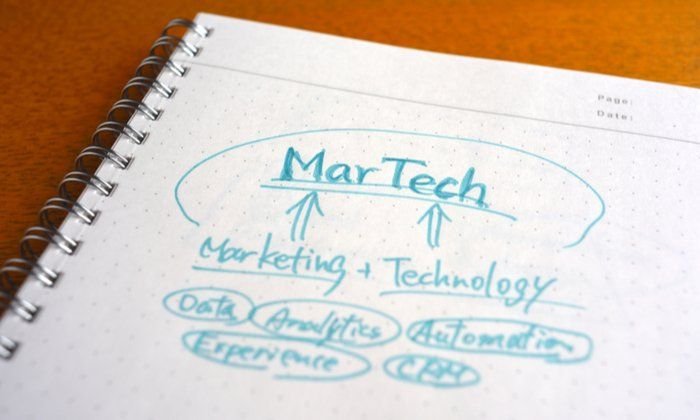
Modern marketing is powered by technology. From CRM systems and analytics tools to automation platforms, ad tech, and AI tools—today’s businesses rely on a Marketing Technology (MarTech) stack to execute, measure, and scale marketing efforts.
Yet, despite investing heavily in tools, many organizations face:
-
Tool overlap and redundancy
-
Data silos and poor integrations
-
Low adoption by marketing teams
-
Inaccurate reporting and insights
-
Rising costs with declining ROI
This is where MarTech Stack Optimization becomes critical.
MarTech stack optimization is not about adding more tools—it’s about aligning the right tools, data, and workflows to support business goals efficiently.
In this comprehensive guide, you’ll learn:
-
What MarTech stack optimization means
-
Why it’s essential for modern marketing
-
Key components of a high-performing MarTech stack
-
Common mistakes businesses make
-
A step-by-step optimization framework
-
Best practices and future trends
If your marketing stack feels complex, expensive, or underperforming, this guide will help you fix it.
What Is a MarTech Stack?
A MarTech stack is the collection of software tools and technologies used by marketing teams to:
-
Plan campaigns
-
Execute marketing activities
-
Manage customer data
-
Analyze performance
-
Automate workflows
Typical MarTech categories include:
-
Customer Relationship Management (CRM)
-
Marketing automation
-
Analytics and data platforms
-
Advertising and media tools
-
Content management systems (CMS)
-
Social media and email platforms
A well-structured MarTech stack acts as the operating system of marketing.
What Is MarTech Stack Optimization?
MarTech Stack Optimization is the process of evaluating, restructuring, integrating, and improving marketing technology tools to maximize efficiency, performance, and return on investment.
Optimization focuses on:
-
Eliminating redundant tools
-
Improving data flow and integrations
-
Aligning tools with business objectives
-
Increasing team adoption and usability
-
Reducing operational and licensing costs
Simple Definition:
MarTech stack optimization ensures your marketing technology works as a connected, efficient system—not a collection of disconnected tools.
Why MarTech Stack Optimization Is Essential Today
1. Tool Explosion
Organizations often accumulate tools over time, leading to:
-
Overlapping features
-
Confusing workflows
-
Increased costs
Optimization brings clarity and control.
2. Data Fragmentation
Disconnected tools create:
-
Incomplete customer views
-
Conflicting reports
-
Poor decision-making
Optimized stacks ensure data consistency and accuracy.
3. Rising Costs
Licensing, implementation, and maintenance costs increase rapidly without optimization.
4. Low Adoption Rates
If tools are complex or poorly integrated, teams avoid using them—wasting investment.
5. AI & Automation Demands
Modern AI-driven marketing requires:
-
Clean data
-
Seamless integrations
-
Scalable infrastructure
Optimization prepares your stack for AI readiness.
Key Components of a High-Performance MarTech Stack
1. CRM (Customer Relationship Management)
The CRM is the core of the MarTech stack.
Functions include:
-
Centralized customer data
-
Lead and opportunity management
-
Sales-marketing alignment
Popular CRMs:
-
Salesforce
-
HubSpot
-
Zoho CRM
2. Marketing Automation Platform
These tools automate:
-
Email campaigns
-
Lead nurturing
-
Customer journeys
They reduce manual effort and improve personalization.
3. Data & Analytics Layer
Analytics tools provide insights into:
-
Campaign performance
-
Customer behavior
-
ROI attribution
Examples:
-
Google Analytics 4
-
Looker Studio
-
BI platforms
4. Content & Experience Management
Includes:
-
CMS platforms
-
Landing page builders
-
Personalization tools
This layer controls how customers experience your brand.
5. Advertising & Media Tech
Manages:
-
Paid search
-
Social ads
-
Programmatic advertising
Integration with analytics is crucial for optimization.
6. Integration & Middleware Tools
These connect all tools in your stack and prevent silos.
Examples:
-
Zapier
-
Segment
-
Customer data platforms (CDPs)
Common Problems in Unoptimized MarTech Stacks
-
Too many tools doing the same job
-
Poor integration between platforms
-
Manual data transfers
-
Inconsistent reporting metrics
-
Limited visibility across the funnel
-
High costs with low utilization
These issues reduce speed, accuracy, and ROI.
MarTech Stack Optimization vs MarTech Expansion
| Aspect | Expansion | Optimization |
|---|---|---|
| Focus | Adding tools | Improving efficiency |
| Cost | Increases | Controlled or reduced |
| Complexity | Grows | Simplified |
| Data | Fragmented | Unified |
| ROI | Uncertain | Measurable |
Optimization should always come before expansion.
Step-by-Step MarTech Stack Optimization Framework
Step 1: Audit Your Current MarTech Stack
Create a complete inventory of:
-
All tools
-
Use cases
-
Costs
-
Users
-
Integrations
This provides visibility into redundancies and gaps.
Step 2: Map Tools to Business Goals
Every tool should support:
-
Lead generation
-
Conversion
-
Retention
-
Revenue growth
If a tool doesn’t support a clear goal, it’s a candidate for removal.
Step 3: Identify Redundancies
Look for:
-
Multiple email tools
-
Overlapping analytics platforms
-
Duplicate automation features
Consolidation reduces cost and complexity.
Step 4: Evaluate Data Flow
Ask:
-
Where does data originate?
-
How does it move between tools?
-
Where are silos created?
Optimization focuses on single source of truth.
Step 5: Improve Integrations
Ensure seamless connections between:
-
CRM and automation
-
Analytics and ad platforms
-
CMS and personalization tools
This improves accuracy and speed.
Step 6: Simplify Workflows
Design workflows that:
-
Reduce manual steps
-
Improve automation
-
Increase team efficiency
Step 7: Train Teams & Drive Adoption
Even the best stack fails without adoption.
Provide:
-
Training
-
Documentation
-
Clear usage guidelines
Step 8: Measure & Optimize Continuously
MarTech optimization is ongoing—not a one-time project.
Role of AI in MarTech Stack Optimization
AI plays a major role in modern optimization by:
-
Identifying tool usage inefficiencies
-
Predicting performance gaps
-
Automating workflows
-
Enhancing personalization
-
Improving attribution modeling
AI-ready MarTech stacks outperform traditional setups.
Best Practices for MarTech Stack Optimization
-
Keep the stack lean and purposeful
-
Prioritize integration over features
-
Centralize data management
-
Align marketing and sales systems
-
Review tools quarterly
-
Plan for scalability and AI readiness
MarTech Stack Optimization for Different Business Sizes
Startups
-
Fewer tools, more integration
-
Focus on core platforms
-
Avoid over-engineering
SMBs
-
Consolidate tools
-
Automate key workflows
-
Improve reporting accuracy
Enterprises
-
Eliminate shadow IT
-
Standardize platforms
-
Strengthen governance and compliance
KPIs to Measure MarTech Stack Performance
-
Tool adoption rate
-
Cost per lead
-
Campaign execution speed
-
Data accuracy
-
Marketing ROI
-
Customer lifetime value
Optimization should directly impact these metrics.
Common Mistakes to Avoid
-
Buying tools without a strategy
-
Ignoring integration capabilities
-
Over-customizing platforms
-
Underestimating training needs
Future Trends in MarTech Stack Optimization
-
AI-driven decision engines
-
Composable MarTech stacks
-
No-code and low-code platforms
-
Privacy-first data architecture
-
Unified customer data platforms
The future stack will be smaller, smarter, and more connected.
Conclusion: Optimization Is the Real Competitive Advantage
MarTech success is not defined by how many tools you own—but by how well they work together.
A well-optimized MarTech stack:
-
Reduces costs
-
Improves speed and efficiency
-
Enhances customer experience
-
Delivers measurable ROI
In a competitive digital landscape, MarTech stack optimization is not a technical exercise—it’s a strategic growth decision.