Best Digital Marketing Strategies in Health Care: A Complete 2025 Growth Guide
Introduction: The Digital Transformation of Health Care Marketing
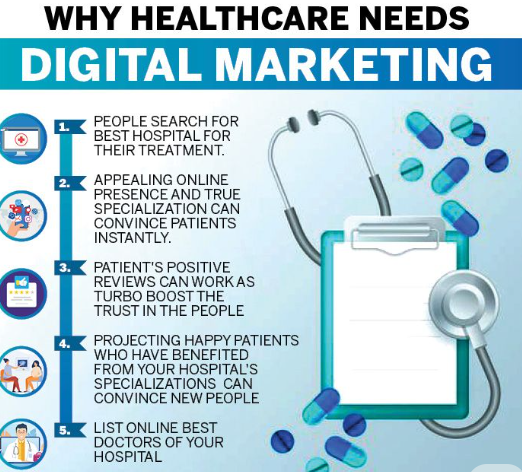
The health care industry has undergone a massive digital transformation over the last decade. Patients today are more informed, empowered, and digitally active than ever before. From searching symptoms on Google to booking appointments online, the modern patient journey is deeply influenced by digital platforms.
Traditional marketing methods like hoardings, newspaper ads, and referrals still matter, but they are no longer enough. To attract, engage, and retain patients in 2025, health care organizations must adopt smart, ethical, and patient-centric digital marketing strategies.
Whether you are a hospital, clinic, diagnostic center, doctor, pharmaceutical brand, or health-tech startup, digital marketing helps you:
-
Build trust and credibility
-
Increase patient acquisition
-
Improve visibility in local and global searches
-
Educate patients and communities
-
Drive long-term growth sustainably
This comprehensive guide explains the best digital marketing strategies for health care, along with tools, best practices, compliance considerations, and future trends.
Understanding Digital Marketing in Health Care
Health care digital marketing focuses on promoting medical services, health awareness, and patient engagement through online channels while strictly following ethical and regulatory guidelines.
Unlike other industries, health care marketing:
-
Involves sensitive information
-
Requires high trust and transparency
-
Is heavily regulated
-
Focuses more on education than promotion
Success in health care digital marketing depends on balancing visibility, credibility, empathy, and compliance.
1. Search Engine Optimization (SEO) for Health Care
SEO is the most powerful and cost-effective digital marketing strategy in health care. Most patients begin their health journey with a search engine.
Why SEO Is Critical in Health Care
-
Patients actively search for symptoms, treatments, and doctors
-
Organic results are trusted more than ads
-
SEO delivers long-term, sustainable traffic
-
High-intent searches lead to higher conversions
Key SEO Strategies for Health Care
a) Medical Keyword Research
Focus on keywords such as:
-
Best hospital near me
-
Doctor appointment online
-
Symptoms of [disease]
-
Treatment for [condition]
-
Cost of [medical procedure]
Use a mix of:
-
Informational keywords
-
Local keywords
-
Transactional keywords
b) On-Page SEO
-
Optimize title tags and meta descriptions
-
Use medical schema markup
-
Add internal links between related topics
-
Use simple, patient-friendly language
c) E-E-A-T (Experience, Expertise, Authority, Trust)
Google gives high importance to E-E-A-T in health care content:
-
Content reviewed or written by medical professionals
-
Author profiles with qualifications
-
Trusted references and citations
-
Clear contact and business information
2. Local SEO for Clinics and Hospitals
Local SEO is essential for hospitals, clinics, and diagnostic centers that depend on nearby patients.
Key Local SEO Tactics
-
Optimize Google Business Profile
-
Use accurate Name, Address, Phone (NAP)
-
Add clinic photos and videos
-
Enable online appointment booking
-
Collect patient reviews regularly
Benefits of Local SEO
-
Higher visibility on Google Maps
-
Increased walk-in patients
-
Stronger local trust
-
Better conversion rates
3. Content Marketing: Educating Patients at Scale
Content marketing is the backbone of health care digital marketing. Patients seek knowledge before decisions.
Why Content Marketing Works in Health Care
-
Builds trust and authority
-
Improves SEO rankings
-
Educates patients responsibly
-
Reduces fear and misinformation
Best Content Types for Health Care
-
Blog posts on diseases and treatments
-
Preventive care guides
-
FAQs and symptom checkers
-
Doctor insights and interviews
-
Patient education videos
-
Infographics and visual explainers
Content Best Practices
-
Avoid exaggerated claims
-
Use medical disclaimers
-
Write in simple language
-
Focus on patient outcomes and care
4. Website Optimization for Health Care Brands
A website is the digital face of a health care organization.
Must-Have Website Features
-
Fast loading speed
-
Mobile-friendly design
-
Clear navigation
-
Doctor profiles with credentials
-
Online appointment booking
-
Secure data handling
Conversion Optimization Tips
-
Click-to-call buttons
-
WhatsApp chat integration
-
Clear call-to-action (CTA)
-
Trust badges and certifications
A well-optimized website converts visitors into patients effectively.
5. Paid Advertising in Health Care Marketing
Paid advertising delivers instant visibility and quick results when done correctly.
Best Paid Advertising Channels
-
Google Search Ads
-
Google Display Ads
-
YouTube Ads
-
Facebook and Instagram Ads
-
LinkedIn Ads (for B2B health care)
Best Practices for Health Care Ads
-
Focus on awareness and education
-
Avoid fear-based messaging
-
Use compliant ad copy
-
Create dedicated landing pages
-
Track calls and appointment bookings
Paid ads work best when combined with SEO and content marketing.
6. Social Media Marketing in Health Care
Social media platforms help humanize health care brands and build long-term engagement.
Best Platforms for Health Care
-
Instagram: Reels, tips, doctor branding
-
Facebook: Community engagement and ads
-
YouTube: Educational videos and webinars
-
LinkedIn: Hospital leadership and health-tech branding
Social Media Content Ideas
-
Daily health tips
-
Awareness campaigns
-
Doctor Q&A sessions
-
Patient success stories (with consent)
-
Behind-the-scenes content
Consistency and authenticity are key to success on social media.
7. Online Reputation Management (ORM)
Trust is the foundation of health care decisions.
Why Reputation Management Matters
-
Patients read reviews before booking
-
Ratings affect local SEO rankings
-
Online reputation builds credibility
Best ORM Practices
-
Encourage genuine patient reviews
-
Respond to negative feedback professionally
-
Monitor review platforms regularly
-
Never post fake or misleading reviews
8. Email and WhatsApp Marketing for Patient Retention
Retention marketing is extremely effective in health care.
Use Cases
-
Appointment reminders
-
Follow-up care instructions
-
Health newsletters
-
Vaccination reminders
-
Preventive check-up alerts
Compliance Tips
-
Use consent-based communication
-
Provide easy opt-out options
-
Avoid promotional spam
9. AI and Automation in Health Care Digital Marketing
Artificial Intelligence is reshaping health care marketing.
Key AI Applications
-
Chatbots for appointment booking
-
Personalized patient journeys
-
Predictive analytics
-
Voice search optimization
-
CRM automation
AI improves efficiency, personalization, and patient experience.
10. Analytics and Performance Tracking
Data-driven decisions lead to better outcomes.
Important Metrics to Track
-
Website traffic
-
Appointment conversion rate
-
Cost per lead
-
Call tracking data
-
Patient lifetime value
Tools Commonly Used
-
Google Analytics 4
-
Google Tag Manager
-
CRM systems
-
Call tracking tools
11. Compliance and Ethical Marketing in Health Care
Health care marketing must follow strict ethical standards.
Key Compliance Areas
-
Patient data privacy
-
Medical advertising regulations
-
Platform ad policies
Ethical marketing builds long-term trust and protects brand reputation.
12. Future Trends in Health Care Digital Marketing
Health care digital marketing continues to evolve.
Emerging Trends
-
Voice search and AI assistants
-
Telemedicine marketing
-
Hyper-personalized campaigns
-
Video-first health education
-
Regional language content
-
Omnichannel patient journeys
Early adoption of these trends creates a competitive advantage.
Conclusion: Building a Winning Health Care Digital Marketing Strategy
The best digital marketing strategy in health care is patient-first, trust-driven, and data-backed. It focuses on education rather than promotion and long-term relationships rather than quick wins.
By combining:
-
SEO and local SEO
-
Content and social media
-
Paid advertising and analytics
-
Ethical practices and technology
Health care organizations can grow sustainably while delivering real value to patients.
In the digital age, the brands that educate, empathize, and empower patients will lead the future of health care marketing.