Table of Contents
ToggleBest Integrated Marketing Communications (IMC): The Complete 4000-Word Strategic Guide
Introduction: Why Integrated Marketing Communications Matter More Than Ever
Modern consumers don’t experience brands through a single channel. They move seamlessly between social media, search engines, email, websites, offline stores, customer support, and communities. They expect consistency, clarity, and relevance at every touchpoint.
This is where Integrated Marketing Communications (IMC) becomes critical.
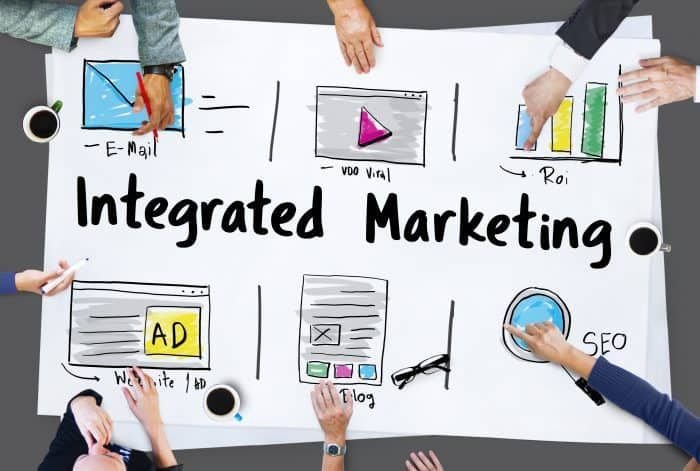
Integrated Marketing Communications is not just about running campaigns on multiple channels. It is about aligning message, brand voice, data, and experience across all marketing and communication efforts so the brand speaks with one clear, consistent voice.
In an age of fragmented attention, rising acquisition costs, and declining trust, IMC is the difference between brands that feel connected and those that feel chaotic.
This 4000-word guide will help you understand IMC from the ground up and show you how to design, execute, and measure a world-class integrated marketing communications strategy.
What Is Integrated Marketing Communications (IMC)?
Integrated Marketing Communications is a strategic approach that ensures all marketing, advertising, PR, digital, social, content, and sales communications work together as a unified system.
Instead of isolated campaigns run by separate teams, IMC aligns every channel around:
-
A single brand narrative
-
Consistent messaging
-
Shared customer insights
-
Unified goals and KPIs
Simple Definition
IMC is delivering the right message, in the right way, through the right channels, at the right time—consistently.
Evolution of Integrated Marketing Communications
Traditional Marketing Era
-
Print, radio, TV operated independently
-
Limited customer feedback
-
One-way communication
Digital Expansion Era
-
Websites, email, search, social emerged
-
Channels managed in silos
-
Inconsistent messaging
Modern IMC Era
-
Omnichannel customer journeys
-
Data-driven personalization
-
Real-time feedback loops
-
Brand experience over campaigns
Today, IMC is no longer optional—it is foundational.
Why Integrated Marketing Communications Are So Important
1. Consistent Brand Experience
Consistency builds trust. When customers receive conflicting messages across channels, credibility suffers.
2. Higher Marketing Effectiveness
Integrated campaigns outperform single-channel efforts by reinforcing messages across touchpoints.
3. Better Use of Marketing Budgets
IMC reduces duplication, waste, and channel competition.
4. Stronger Customer Relationships
Aligned messaging creates clarity and emotional connection.
5. Improved ROI and Attribution
When channels work together, it becomes easier to understand what drives results.
Core Principles of Integrated Marketing Communications
1. Customer-Centricity
IMC starts with understanding customer needs, behaviors, and journeys—not channels.
2. Message Consistency
Your brand promise, value proposition, and tone should remain consistent everywhere.
3. Channel Synergy
Each channel supports the others rather than competing for attention.
4. Data-Driven Decision Making
Insights guide messaging, timing, and channel selection.
5. Organizational Alignment
Marketing, sales, PR, and customer success must work together.
Key Components of Integrated Marketing Communications
1. Brand Strategy
Defines:
-
Brand purpose
-
Positioning
-
Core narrative
-
Voice and tone
Brand strategy is the anchor of IMC.
2. Advertising
Includes:
-
Digital ads
-
TV, radio, print
-
Programmatic and native ads
Advertising must reinforce—not contradict—other messages.
3. Content Marketing
-
Blogs and guides
-
Videos and podcasts
-
Case studies and whitepapers
Content provides depth and education within IMC.
4. Social Media Marketing
Social channels amplify and humanize the brand message.
Consistency in tone, visuals, and values is critical.
5. Public Relations (PR)
PR shapes brand credibility through:
-
Media coverage
-
Thought leadership
-
Crisis communication
PR and marketing must align closely in IMC.
6. Email and Marketing Automation
Email connects personalized communication with broader campaigns.
Automation ensures the right message reaches the right segment at the right time.
7. Sales Enablement
Sales teams must echo the same value propositions communicated in marketing.
IMC breaks down the wall between sales and marketing.
8. Customer Experience and Support
Every interaction—including support—is part of brand communication.
IMC includes service messaging and tone.
Integrated Marketing Communications vs Omnichannel Marketing
While related, they are not identical.
| Aspect | IMC | Omnichannel |
|---|---|---|
| Focus | Message and brand consistency | Seamless channel experience |
| Scope | Strategy and communication | Experience and execution |
| Goal | Unified brand voice | Frictionless journey |
Strong brands use both together.
The IMC Strategic Framework
Step 1: Define Business and Communication Goals
Examples:
-
Increase brand awareness
-
Improve brand trust
-
Drive qualified leads
-
Increase retention
Step 2: Deep Customer Research
Understand:
-
Needs and pain points
-
Media consumption habits
-
Decision triggers
-
Barriers to conversion
Step 3: Develop a Unified Brand Message
Create:
-
Core value proposition
-
Supporting messages
-
Proof points
-
Brand voice guidelines
Step 4: Channel Planning and Role Definition
Each channel should have a clear role.
| Channel | Primary Role |
| Paid ads | Awareness and reach |
| Content | Education and trust |
| Social | Engagement and amplification |
| Nurturing and conversion | |
| Sales | Closing and relationship |
Step 5: Campaign Integration
All campaigns should:
-
Share common themes
-
Use consistent visuals
-
Reinforce the same message
Step 6: Execution and Coordination
Break silos between teams through:
-
Shared calendars
-
Unified KPIs
-
Regular alignment meetings
Step 7: Measurement and Optimization
Track performance holistically—not channel by channel alone.
Measuring Integrated Marketing Communications Success
Brand Metrics
-
Brand awareness
-
Brand recall
-
Share of voice
-
Sentiment analysis
Engagement Metrics
-
Cross-channel engagement
-
Content consumption
-
Social interactions
Performance Metrics
-
Lead quality
-
Conversion rates
-
Customer acquisition cost (CAC)
-
Lifetime value (LTV)
Attribution Models
Use multi-touch attribution to understand channel synergy.
Common IMC Mistakes to Avoid
-
Managing channels in silos
-
Inconsistent messaging and visuals
-
Ignoring internal alignment
-
Over-focusing on tactics instead of strategy
-
Measuring channels independently
IMC fails when coordination is missing.
Integrated Marketing Communications in B2B vs B2C
B2B IMC
-
Longer buying cycles
-
Focus on education and trust
-
Strong alignment with sales
-
Emphasis on thought leadership
B2C IMC
-
Emotion-driven messaging
-
Strong visual identity
-
High-frequency touchpoints
-
Social and influencer amplification
Technology Stack for IMC
-
CRM platforms
-
Marketing automation tools
-
Analytics and attribution software
-
Social media management tools
-
Content management systems
Technology enables integration—but strategy leads it.
Real-World Examples of IMC
Example 1: Global Consumer Brand
-
Unified campaign theme across TV, digital, and social
-
Consistent storytelling and visuals
-
Result: higher recall and engagement
Example 2: B2B SaaS Company
-
Integrated content, webinars, email, and sales outreach
-
Shared messaging framework
-
Result: higher lead quality and shorter sales cycles
Future Trends in Integrated Marketing Communications
-
AI-driven personalization at scale
-
Real-time cross-channel optimization
-
Community-led brand communication
-
Greater integration of product and marketing
-
Experience-first brand strategies
IMC will continue evolving—but consistency and clarity will remain essential.
How to Build an IMC Strategy from Scratch
-
Audit all existing communications
-
Identify inconsistencies
-
Define a clear brand narrative
-
Align teams and tools
-
Start with one integrated campaign
-
Measure, learn, and expand
Progress beats perfection.
Final Thoughts: IMC Is a Competitive Advantage
Integrated Marketing Communications is not about doing more marketing. It is about doing better, more connected marketing.
Brands that win are not the loudest—they are the clearest.
When your messaging, channels, teams, and experiences work together, you create trust, recall, and long-term growth.
In a fragmented digital world, IMC is your anchor.
Build consistency. Build clari