Table of Contents
ToggleThe Ultimate Guide to Subscription Marketing Strategies (3000 Words)
The subscription economy has transformed how businesses acquire, engage, and retain customers. From SaaS platforms and OTT streaming services to DTC brands and online education, subscription-based models now dominate modern commerce. But while launching a subscription is easier than ever, scaling and sustaining it requires a powerful subscription marketing strategy.
This guide is designed to be your complete playbook. Whether you’re a startup founder, growth marketer, or enterprise leader, this blog covers everything you need to know to design, execute, and optimize winning subscription marketing strategies.
Table of Contents
-
What Is Subscription Marketing?
-
Why Subscription Marketing Strategies Matter
-
The Psychology Behind Subscriptions
-
Core Pillars of Subscription Marketing
-
Customer Acquisition Strategies
-
Conversion Optimization for Subscriptions
-
Onboarding Strategies That Reduce Churn
-
Retention & Engagement Strategies
-
Pricing & Packaging Strategies
-
Lifecycle Email Marketing for Subscriptions
-
Referral & Advocacy Programs
-
Data, Metrics & Analytics
-
Real-World Subscription Marketing Examples
-
Common Mistakes to Avoid
-
Future Trends in Subscription Marketing
-
Final Thoughts
1. What Is Subscription Marketing?
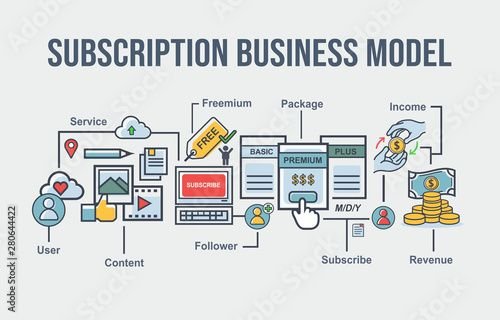
Subscription marketing refers to the strategies and tactics used to acquire, convert, retain, and grow customers who pay on a recurring basis—monthly, quarterly, or annually.
Unlike one-time purchases, subscription marketing focuses on:
-
Long-term relationships
-
Continuous value delivery
-
Predictable recurring revenue
-
Customer lifetime value (LTV)
The goal isn’t just to sell—it’s to keep customers subscribed for as long as possible.
2. Why Subscription Marketing Strategies Matter
Subscription businesses live or die by retention. A weak strategy leads to high churn, wasted ad spend, and unstable growth.
Key Benefits of Strong Subscription Marketing
-
Predictable Revenue: Monthly recurring revenue (MRR) enables confident forecasting.
-
Higher Lifetime Value: Retained subscribers generate more revenue over time.
-
Better Customer Insights: Continuous engagement provides rich behavioral data.
-
Scalable Growth: Systems and automation allow faster scaling.
Without a structured marketing strategy, even the best subscription product will struggle.
3. The Psychology Behind Subscriptions
Successful subscription marketing is deeply rooted in consumer psychology.
Key Psychological Drivers
-
Convenience – Automatic delivery saves time and effort.
-
Commitment Bias – Once subscribed, people are more likely to stay.
-
Perceived Value – Bundled or exclusive benefits feel more valuable.
-
Loss Aversion – Fear of losing access discourages cancellations.
-
Habit Formation – Regular usage creates dependency.
Understanding these triggers helps marketers design experiences that keep subscribers engaged.
4. Core Pillars of Subscription Marketing Strategies
Every high-performing subscription brand is built on these pillars:
1. Clear Value Proposition
Why should someone subscribe now and stay later?
2. Frictionless Customer Journey
From discovery to onboarding to renewal.
3. Data-Driven Personalization
Tailored experiences increase engagement and retention.
4. Continuous Engagement
Marketing doesn’t stop after conversion.
5. Customer Acquisition Strategies for Subscription Businesses
Acquisition is the first growth lever—but it must attract the right customers, not just more customers.
A. Content Marketing & SEO
Content builds trust before the sale:
-
Educational blogs
-
Comparison guides
-
Use-case articles
-
Industry reports
-
Evergreen pillar pages
SEO-driven content delivers high-intent traffic that converts better for subscriptions.
B. Paid Media for Subscriptions
Effective paid strategies include:
-
Free trial ads
-
First-month discounts
-
Retargeting abandoned visitors
-
Lookalike audiences
-
Video storytelling ads
Focus on LTV-to-CAC ratio, not just cost per click.
C. Influencer & Creator Marketing
Creators build trust faster than ads.
-
Niche influencers outperform celebrities
-
Long-term partnerships work better than one-off posts
-
Performance-based payouts align incentives
D. Partnerships & Co-Marketing
Strategic partnerships reduce acquisition costs:
-
Bundled subscriptions
-
Cross-promotions
-
Affiliate programs
-
Joint webinars
6. Conversion Optimization for Subscription Offers
Traffic is useless without conversions.
Key Conversion Tactics
-
Clear pricing pages
-
Simple plan comparisons
-
Risk-reversal (free trials, money-back guarantees)
-
Strong social proof (reviews, testimonials)
-
Limited-time offers
Free Trial vs Freemium
-
Free Trial: Time-limited full access
-
Freemium: Permanent limited access
Choose based on your product’s time-to-value.
7. Onboarding Strategies That Reduce Churn
The first 7–14 days decide a subscriber’s fate.
High-Impact Onboarding Elements
-
Welcome email sequence
-
Product walkthroughs
-
Setup checklists
-
First success milestone
-
Personalized recommendations
The faster users experience value, the longer they stay.
8. Retention & Engagement Strategies
Retention is where subscription businesses win.
A. Personalization at Scale
Use behavioral data to personalize:
-
Emails
-
Content
-
Product recommendations
-
In-app messages
B. Continuous Value Communication
Remind users why they subscribed:
-
Monthly summaries
-
Usage reports
-
Feature updates
-
Educational content
C. Proactive Churn Prevention
Watch for churn signals:
-
Reduced usage
-
Missed logins
-
Support complaints
Trigger automated win-back campaigns before cancellation.
D. Loyalty & Rewards Programs
Reward long-term subscribers with:
-
Discounts
-
Exclusive features
-
Early access
-
VIP support
9. Pricing & Packaging Strategies
Pricing is a growth lever, not just a number.
Common Pricing Models
-
Flat-rate pricing
-
Tiered plans
-
Usage-based pricing
-
Per-user pricing
-
Hybrid models
Optimization Tips
-
Annual plans increase retention
-
Bundles increase perceived value
-
Clear upgrade paths reduce friction
10. Lifecycle Email Marketing for Subscriptions
Email remains the highest ROI channel.
Essential Email Flows
-
Welcome series
-
Onboarding drip
-
Engagement nudges
-
Feature announcements
-
Renewal reminders
-
Win-back campaigns
Behavior-triggered emails outperform generic newsletters.
11. Referral & Advocacy Programs
Your best marketers are happy subscribers.
Referral Strategy Best Practices
-
Simple referral mechanics
-
Two-sided incentives
-
Social sharing built-in
-
Clear reward visibility
Word-of-mouth compounds growth.
12. Data, Metrics & Analytics
You can’t improve what you don’t measure.
Must-Track Subscription Metrics
Growth Metrics
-
MRR & ARR
-
New subscriptions
-
Activation rate
Efficiency Metrics
-
CAC
-
LTV
-
LTV:CAC ratio
Retention Metrics
-
Churn rate
-
Net revenue retention
-
Engagement score
Experience Metrics
-
NPS
-
CSAT
13. Real-World Subscription Marketing Examples
Netflix
-
Personalized recommendations
-
Content-driven retention
-
Continuous value communication
Spotify
-
Data-powered personalization
-
Viral annual campaigns
-
Seamless freemium-to-paid funnel
Amazon Prime
-
Bundled benefits
-
High switching costs
-
Habit-forming ecosystem
Dollar Shave Club
-
Strong brand voice
-
Community-driven loyalty
-
Simple recurring value proposition
14. Common Subscription Marketing Mistakes
Avoid these growth killers:
-
Over-focusing on acquisition
-
Ignoring churn analysis
-
Poor onboarding experience
-
Confusing pricing structures
-
One-size-fits-all messaging
-
Not testing offers regularly
15. Future Trends in Subscription Marketing
Subscription marketing continues to evolve.
Key Trends to Watch
-
AI-powered personalization
-
Usage-based and outcome-based pricing
-
Community-led growth
-
Predictive churn analytics
-
Privacy-first marketing
-
Value-driven, ethical subscriptions
Early adopters gain a massive edge.
16. Final Thoughts
Subscription marketing is not a campaign—it’s a system.
The most successful subscription brands win because they:
-
Understand their customers deeply
-
Deliver consistent value
-
Optimize every lifecycle stage
-
Use data to guide decisions
If you treat subscribers as long-term partners instead of transactions, your growth becomes predictable, scalable, and sustainable.