Table of Contents
ToggleBest Community Marketing Strategy: The Ultimate 3000-Word Guide for Sustainable Brand Growth
Community marketing has quietly become one of the most powerful growth engines in modern marketing. While paid ads fluctuate, algorithms change, and influencer costs rise, strong communities continue to deliver trust, retention, advocacy, and compounding growth.
In this definitive guide, you’ll learn what community marketing really is, why it works better than traditional tactics, how top brands build thriving communities, and how you can create, scale, and monetize your own brand community.
What Is Community Marketing?
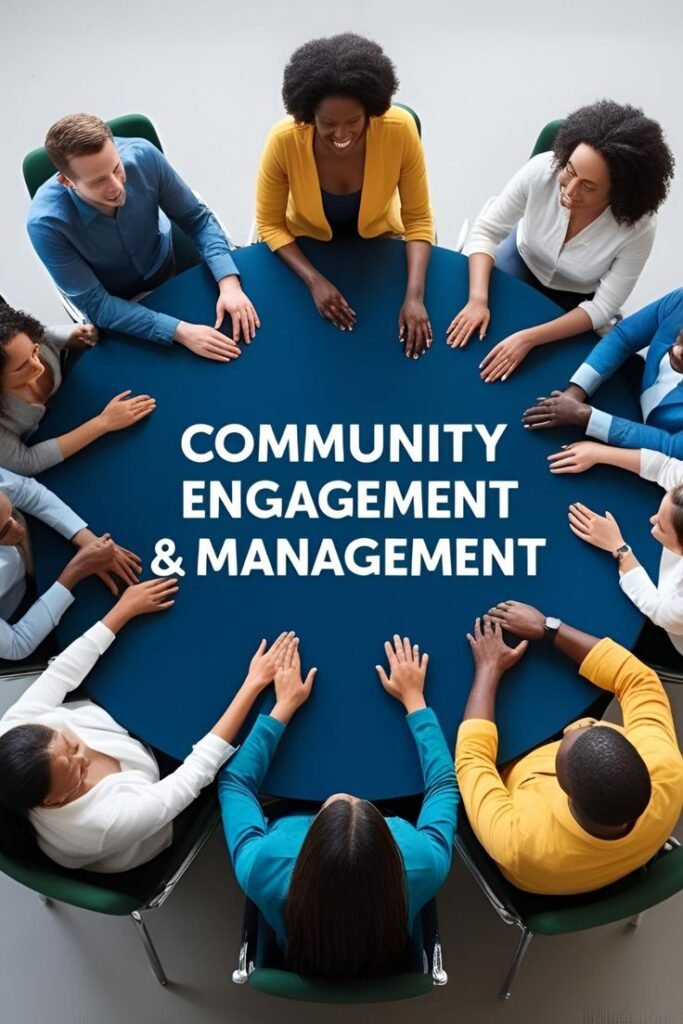
Community marketing is a strategy where brands build, nurture, and empower a group of people connected by shared interests, values, or goals—rather than pushing one-way promotional messages.
Instead of marketing to customers, you market with them.
A community can exist on:
-
Owned platforms (Slack, Discord, forums)
-
Social platforms (Facebook Groups, LinkedIn Communities)
-
Hybrid ecosystems (events + online spaces)
The goal is long-term engagement, loyalty, and advocacy, not short-term conversions.
Why Community Marketing Matters More Than Ever
1. Declining Trust in Traditional Advertising
Consumers trust people more than brands. According to multiple industry studies, peer recommendations outperform ads in credibility and influence.
Communities create authentic conversations, not polished campaigns.
2. Rising Customer Acquisition Costs
Paid media costs continue to increase across Google, Meta, and TikTok. Communities lower CAC by:
-
Increasing word-of-mouth
-
Improving retention
-
Creating organic referrals
3. Shift From Funnels to Flywheels
Traditional funnels leak value after conversion. Communities create flywheels where customers:
-
Learn
-
Contribute
-
Advocate
-
Bring in new members
Community Marketing vs Social Media Marketing
| Aspect | Social Media Marketing | Community Marketing |
|---|---|---|
| Ownership | Platform-owned | Brand-owned |
| Interaction | One-to-many | Many-to-many |
| Longevity | Short-lived | Long-term |
| Trust Level | Medium | High |
| Growth Style | Algorithmic | Organic & compounding |
Social media builds reach. Communities build relationships.
Types of Community Marketing Models
1. Product-Led Communities
Communities built around a product’s usage, feedback, and education.
Example: Notion built a global user community sharing templates, workflows, and tutorials.
Best for: SaaS, tools, platforms
2. Brand-Led Communities
Driven by emotional connection and shared identity.
Example: Nike Run Club unites runners through challenges, stories, and events.
Best for: Consumer brands, lifestyle products
3. Creator-Led Communities
Built around founders, experts, or influencers.
Example: Ali Abdaal’s paid community focuses on creators, learning, and accountability.
Best for: Coaches, educators, solopreneurs
4. Interest-Based Communities
Centered on shared passions rather than products.
Example: Reddit subreddits bring people together around hyper-specific interests.
Best for: Media, publishers, niche brands
Core Pillars of a Successful Community Marketing Strategy
1. Clear Community Purpose
Every strong community answers one question:
“Why does this community exist beyond selling?”
Examples:
-
Learning together
-
Career growth
-
Emotional support
-
Skill development
Without a purpose, communities turn into dead announcement boards.
2. Shared Identity
Members must feel:
-
“These are my people”
-
“I belong here”
-
“This community reflects me”
Identity is built through:
-
Language
-
Values
-
Rituals
-
Symbols
3. Active Participation Loops
Healthy communities encourage:
-
Asking questions
-
Sharing wins
-
Helping others
-
Creating content
Participation must feel rewarding, not forced.
4. Strong Moderation & Leadership
Community managers are not marketers—they are:
-
Facilitators
-
Empathy builders
-
Conflict resolvers
-
Culture carriers
Bad moderation kills trust faster than bad products.
Choosing the Right Platform for Community Marketing
Owned Platforms
Examples: Slack, Discord, Circle, custom forums
Pros: Control, data ownership, deeper engagement
Cons: Higher management effort
Social Platforms
Examples: Facebook Groups, LinkedIn Groups
Pros: Low friction, fast growth
Cons: Algorithm dependency, limited data
Hybrid Approach
Many brands start on social platforms and later migrate to owned spaces.
Example: Shopify uses forums, events, and social communities together.
How to Build a Community From Scratch
Step 1: Identify Your Core Members
Start with your top 1–5% users, not everyone.
Ask:
-
Who is already engaged?
-
Who gives feedback?
-
Who helps others?
These people become your first ambassadors.
Step 2: Define Community Rules & Culture
Set expectations early:
-
No spam
-
Respectful dialogue
-
Value-first sharing
Culture is enforced through example, not documents.
Step 3: Seed High-Value Content
Before inviting thousands, seed:
-
Discussions
-
Tutorials
-
Prompts
-
Introductions
Empty communities feel awkward. Momentum matters.
Step 4: Create Onboarding Rituals
First impressions define retention.
Examples:
-
Intro threads
-
Welcome messages
-
Starter challenges
Members should know where to begin within 5 minutes.
Community Engagement Strategies That Actually Work
1. Weekly Rituals
Examples:
-
Wins Wednesday
-
Feedback Friday
-
AMA Sundays
Consistency creates habits.
2. Member Spotlights
Highlighting members builds:
-
Recognition
-
Motivation
-
Emotional investment
People stay where they feel seen.
3. User-Generated Content
Encourage:
-
Case studies
-
Tutorials
-
Templates
-
Stories
UGC turns members into co-creators.
4. Offline & Hybrid Events
Even digital communities thrive with real-world touchpoints:
-
Meetups
-
Workshops
-
Conferences
Example: TED communities thrive through shared offline experiences.
Monetization Strategies for Community Marketing
Community marketing isn’t just brand-building—it drives revenue.
1. Retention & Upsells
Engaged members upgrade more often and churn less.
2. Paid Memberships
Offer:
-
Exclusive content
-
Direct access
-
Advanced learning
3. Product Co-Creation
Use communities for:
-
Beta testing
-
Feature validation
-
Feedback loops
4. Advocacy & Referrals
Happy communities create:
-
Organic referrals
-
Social proof
Measuring Community Marketing Success
Key Metrics to Track
Engagement Metrics
-
Active members
-
Posts per member
-
Comments & replies
Retention Metrics
-
Monthly active users
-
Cohort retention
-
Community churn
Business Impact
-
Conversion lift
-
LTV increase
-
Support cost reduction
Community success isn’t vanity metrics—it’s depth of relationships.
Common Community Marketing Mistakes to Avoid
❌ Treating Community Like a Sales Channel
Communities die when every post feels like an ad.
❌ Ignoring Lurkers
Silent members still extract value. Engagement ≠ worth.
❌ Scaling Too Fast
Culture breaks faster than systems scale.
❌ No Clear Ownership
Communities need dedicated managers, not interns.
Future Trends in Community Marketing
1. AI-Assisted Community Management
AI will help with:
-
Moderation
-
Member insights
-
Personalization
2. Micro-Communities
Smaller, focused groups outperform massive generic ones.
3. Community-Led Growth
Communities will replace ads as primary growth drivers.
4. Creator-Brand Hybrids
Brands will partner with creators to co-own communities.
Final Thoughts: Community Is the Moat
Products can be copied. Ads can be outspent. Algorithms can change.
But strong communities compound.
Community marketing isn’t a campaign—it’s a long-term commitment to:
-
Listening more
-
Selling less
Brands that invest in community today will own attention, trust, and loyalty tomorrow.