Table of Contents
ToggleBest Geo-Targeted Ads Strategy: The Ultimate 3000-Word Guide to Location-Based Advertising That Converts
Digital advertising is no longer about reaching more people. It’s about reaching the right people in the right place at the right time.
That’s exactly where geo-targeted ads win.
From local restaurants and real estate brands to national D2C and enterprise companies, geo-targeting allows marketers to personalize messaging by location, intent, and context, dramatically improving conversion rates and return on ad spend (ROAS).
This definitive guide breaks down what geo-targeted ads are, why they work, how to set them up across platforms, and how to optimize them for maximum performance.
What Are Geo-Targeted Ads?
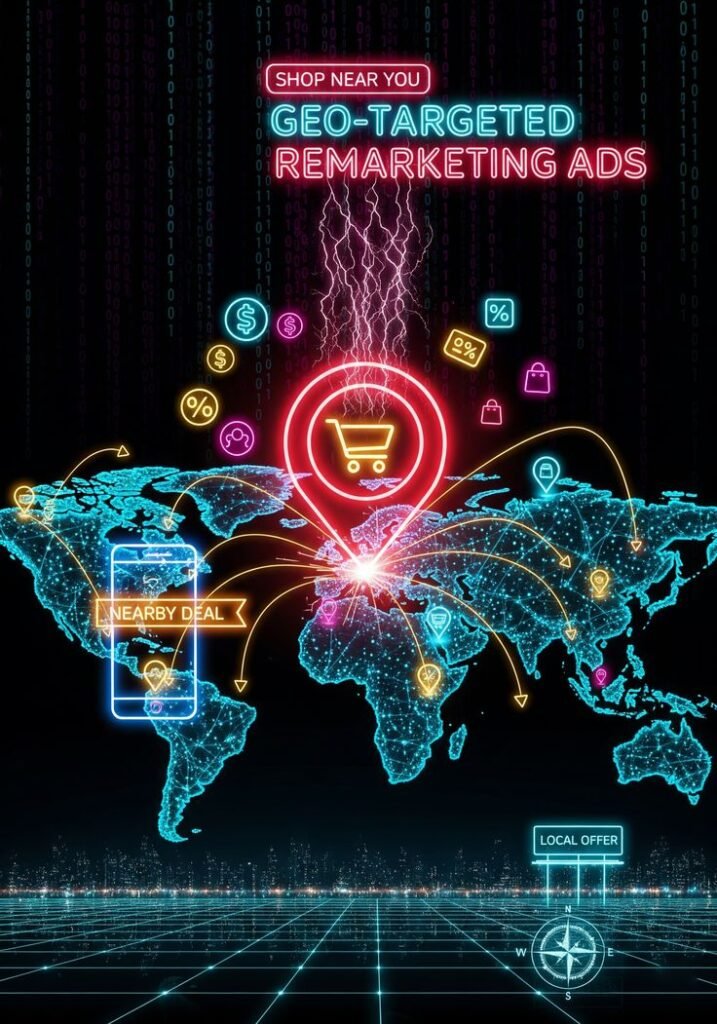
Geo-targeted ads are paid advertisements that are shown to users based on their geographic location, such as:
-
Country
-
State or region
-
City
-
ZIP or postal code
-
Radius around a physical location
-
Real-time proximity (geo-fencing)
Instead of showing the same ad to everyone, geo-targeting allows you to customize ads by location, making them more relevant and actionable.
Why Geo-Targeted Ads Work So Well
1. Location Equals Intent
Location often reveals buying intent.
Examples:
-
Someone near a mall → ready to shop
-
Someone in a business district → B2B opportunity
-
Someone near a competitor → high-intent switching moment
Geo-targeting captures users closer to action.
2. Higher Relevance, Higher Conversion Rates
Ads that mention:
-
A nearby store
-
Local offers
-
City-specific messaging
Consistently outperform generic ads because relevance drives clicks.
3. Better ROAS and Lower Wasted Spend
Why pay to show ads in regions where:
-
You don’t ship
-
You don’t operate
-
Demand is low?
Geo-targeting reduces waste and improves efficiency.
Geo-Targeting vs Geo-Fencing vs Geo-Conquesting
| Strategy | What It Does | Use Case |
|---|---|---|
| Geo-Targeting | Targets users by location | Local & regional ads |
| Geo-Fencing | Targets users within a defined radius | Event & store promotions |
| Geo-Conquesting | Targets users near competitors | Competitive switching |
Advanced strategies often combine all three.
Types of Geo-Targeted Advertising
1. Country & Region-Level Targeting
Best for:
-
International brands
-
Language-based campaigns
-
Pricing or regulation differences
Example: Different offers for US, UK, and India markets.
2. City-Level Targeting
Highly effective for:
-
Local services
-
Multi-city D2C brands
-
Events and promotions
Messaging like “Available in Mumbai today” dramatically improves CTR.
3. Radius (Proximity) Targeting
Targets users within a specific distance (e.g., 5 km from a store).
Best for:
-
Restaurants
-
Gyms
-
Retail stores
-
Clinics
4. Geo-Fencing
Creates a virtual fence around:
-
Stores
-
Events
-
Airports
-
Competitor locations
Users entering the zone can be targeted with ads in real time or later via retargeting.
Platforms That Support Geo-Targeted Ads
Google Ads
Google Ads allows geo-targeting by:
-
Country
-
City
-
ZIP code
-
Radius
-
Location intent (people in or interested in)
Perfect for search-based local intent.
Meta (Facebook & Instagram)
Meta ads allow targeting by:
-
Current location
-
Recently visited locations
-
Living in vs traveling
Ideal for discovery and awareness campaigns.
Local Discovery Platforms
Platforms like Yelp enable hyper-local ads for restaurants, services, and retail brands.
How to Build a Winning Geo-Targeted Ads Strategy
Step 1: Define Your Geo Goals
Ask:
-
Are you driving foot traffic or online conversions?
-
Is this a local, regional, or national campaign?
-
Are locations equally valuable?
Not all geographies deserve equal budget.
Step 2: Analyze Location-Based Performance Data
Use historical data to identify:
-
High-converting cities
-
Low-performing regions
-
Demand hotspots
Shift budget toward locations that convert, not just click.
Step 3: Segment Campaigns by Geography
Avoid lumping all locations into one campaign.
Instead:
-
Separate campaigns by region or city
-
Customize bids, creatives, and budgets
-
Control performance more precisely
Step 4: Customize Messaging by Location
High-performing geo ads include:
-
City names
-
Local slang or references
-
Area-specific offers
-
Store distance indicators
Local language beats generic branding.
Geo-Targeted Ads Copywriting Best Practices
Use Location in Headlines
Examples:
-
“Serving Bengaluru Businesses”
-
“Next-Day Delivery in Delhi”
-
“Now Open Near You”
This immediately boosts relevance.
Highlight Local Proof
-
Local testimonials
-
City-specific case studies
-
Nearby store counts
Trust increases when ads feel local.
Add Urgency Based on Context
-
“Lunch specials near you”
-
“Limited slots in your area”
-
“Today only in Hyderabad”
Contextual urgency converts better than generic urgency.
Creative Strategies for Geo-Targeted Ads
Dynamic Location Insertion
Automatically insert:
-
City name
-
Store address
This works exceptionally well in Google and Meta ads.
Use Local Imagery
Images of:
-
Real stores
-
City landmarks
-
Local customers
Outperform stock images in geo-specific campaigns.
Match Creative to Local Culture
What works in one city may flop in another. Adapt tone, visuals, and offers.
Geo-Targeting for Different Business Models
Local Businesses
Best tactics:
-
Radius targeting
-
Google Search ads
-
Map listings
-
Call-only ads
Primary goal: foot traffic & calls.
Ecommerce & D2C Brands
Use geo-targeting for:
-
Faster delivery zones
-
COD availability
-
City-specific promotions
Localized logistics = higher conversions.
B2B & Services
Target by:
-
Business hubs
-
Office districts
-
Industrial zones
Geo-targeting combined with LinkedIn job-title targeting is powerful.
Multi-Location & Franchise Brands
Run:
-
Centralized strategy
-
Localized execution
-
Store-level reporting
Each location should feel independently marketed.
Geo-Conquesting: Stealing Customers From Competitors
Geo-conquesting targets users near:
-
Competitor stores
-
Competitor events
Example:
-
Coffee shop ads near rival cafés
-
Gym ads near competing fitness centers
Ethical, legal, and effective when done smartly.
Bidding Strategies for Geo-Targeted Ads
Location-Based Bid Adjustments
Increase bids for:
-
High-converting cities
-
Store-proximity users
-
High-value regions
Decrease or exclude:
-
Low-intent areas
-
Poor-performing locations
Dayparting + Geo
Combine location with time:
-
Lunch ads near offices
-
Evening ads near residential areas
-
Weekend retail promotions
Context multiplies performance.
Measuring Success of Geo-Targeted Ads
Core Metrics
-
CTR by location
-
Conversion rate by region
-
Cost per conversion
-
ROAS by geography
Advanced Metrics
-
Store visits
-
Call conversions
-
Direction requests
-
Offline sales attribution
Location performance should guide budget decisions.
Common Geo-Targeting Mistakes to Avoid
❌ Targeting too broadly
❌ Using the same creative everywhere
❌ Ignoring local intent
❌ Not excluding irrelevant locations
❌ No location-level reporting
Geo-targeting fails when it’s treated as a checkbox instead of a strategy.
Privacy, Consent & Location Data
Modern geo-targeting relies on:
-
Aggregated signals
-
Consent-based data
-
Modeled location insights
Platforms like Google and Meta increasingly prioritize privacy-safe targeting.
Transparency and compliance matter.
Future Trends in Geo-Targeted Advertising
1. AI-Driven Location Optimization
Algorithms will automatically shift spend to high-intent locations.
2. Hyper-Local Personalization
Neighborhood-level messaging will outperform city-level targeting.
3. Online + Offline Attribution
Better store-visit and offline conversion tracking.
4. Contextual + Geo Targeting
Location combined with behavior and intent will define next-gen ads.
Final Thoughts: Geo-Targeted Ads Are a Competitive Advantage
Geo-targeted ads aren’t just about location—they’re about relevance.
Brands that win with geo-targeting:
-
Respect local context
-
Customize messaging
-
Allocate budgets intelligently
In a crowded ad ecosystem, local relevance is global leverage.