Table of Contents
ToggleThe Ultimate Guide to Bounce Rate Reduction: How to Turn Visitors into Engaged Users in 2026
Bounce rate is one of the most misunderstood — yet critically important — metrics in digital marketing. If your website has high traffic but low engagement, your growth will stall. You’ll pay for clicks but lose conversions. You’ll attract visitors but fail to convert them into customers.
Reducing bounce rate is not just about keeping people on your site longer — it’s about creating relevance, clarity, trust, and value within seconds.
In this complete 3000-word guide, you’ll learn:
-
What bounce rate really means
-
Why it matters for SEO and conversions
-
How to diagnose bounce issues
-
Practical strategies to reduce bounce rate
-
Tools and frameworks to improve engagement
Let’s dive deep.
1. What Is Bounce Rate?
Bounce rate is the percentage of visitors who land on your website and leave without taking any further action.
A “bounce” happens when a user:
-
Visits one page
-
Doesn’t click anything
-
Doesn’t navigate to another page
-
Leaves the website
Bounce Rate Formula:
Bounce Rate = (Single Page Sessions ÷ Total Sessions) × 100
For example:
If 1,000 people visit your website and 600 leave without interaction, your bounce rate is 60%.
2. Bounce Rate vs Exit Rate
Many people confuse bounce rate with exit rate.
Bounce Rate:
Visitors who leave without interacting.
Exit Rate:
Visitors who leave from a specific page (after browsing others).
Example:
If someone visits your homepage → goes to product page → leaves,
that’s NOT a bounce — but it is an exit.
Understanding this difference is critical for proper analysis.
3. What Is a Good Bounce Rate?
Bounce rate varies by industry:
Blog content: 60–80%
Landing pages: 40–70%
E-commerce sites: 20–45%
Lead generation pages: 30–55%
However, context matters more than benchmarks.
A blog answering a simple question may naturally have higher bounce — and that’s okay if it satisfies intent.
4. Why Bounce Rate Matters
Bounce rate impacts:
-
Conversion rate
-
User engagement
-
SEO performance
-
Ad campaign ROI
-
Customer acquisition cost
Search engines like Google analyze user behavior signals. If users leave quickly, it may indicate poor relevance or experience.
Lower bounce rate generally signals:
✔ Better user experience
✔ Higher engagement
✔ Stronger content relevance
✔ Increased conversion potential
5. Common Causes of High Bounce Rate
Understanding the problem is the first step.
1. Slow Page Speed
Users expect fast loading.
2. Poor Mobile Experience
Most traffic is mobile-first.
3. Weak Headlines
If headline doesn’t match user intent, they leave.
4. Confusing Layout
Clutter overwhelms visitors.
5. Irrelevant Traffic
Poor ad targeting leads to unqualified visitors.
6. Lack of Clear CTA
Visitors don’t know what to do next.
6. Page Speed Optimization
Speed is a primary bounce trigger.
If your website takes more than 3 seconds to load, bounce rates increase significantly.
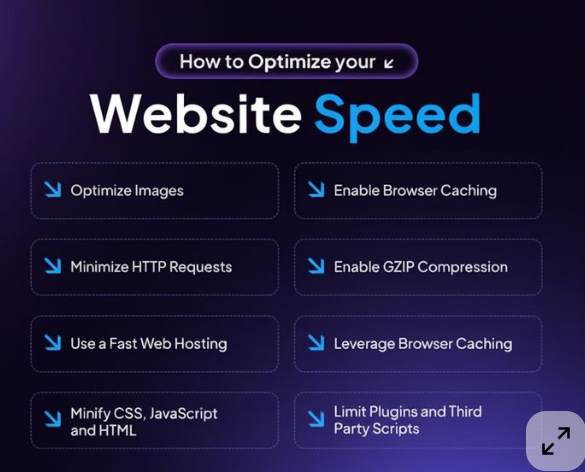
Improve speed by:
-
Compressing images
-
Using caching
-
Minimizing JavaScript
-
Using CDN
-
Upgrading hosting
Test speed with:
-
Google PageSpeed Insights
-
GTmetrix
Fast websites keep users engaged.
7. Improve Above-the-Fold Experience
Above-the-fold content is what users see immediately.
It must include:
-
Clear headline
-
Strong value proposition
-
Visual element
-
Immediate CTA
Within 5 seconds, users should understand:
-
What you offer
-
Who it’s for
-
Why it matters
Confusion increases bounce.
8. Align Content with Search Intent
Search intent mismatch is one of the biggest bounce drivers.
There are 4 types of intent:
-
Informational
-
Navigational
-
Transactional
-
Commercial
If someone searches “best protein powder for weight loss” and lands on a generic homepage, they’ll bounce.
Match page content exactly to user query.
9. Improve Internal Linking Strategy
Internal links reduce bounce by guiding users deeper.
Best practices:
-
Add contextual links
-
Use related posts section
-
Use “Read Next” suggestions
-
Add product recommendations
Each page should guide visitors to the next logical step.
10. Create Engaging Content Structure
Avoid long, unbroken text blocks.
Use:
-
Subheadings
-
Bullet points
-
Short paragraphs
-
Images
-
Videos
-
Infographics
Readable content keeps users scrolling.
11. Improve Visual Hierarchy
Good design reduces cognitive load.
Focus on:
-
Clean layout
-
White space
-
Clear fonts
-
Logical content flow
Clutter increases confusion and bounce.
12. Strong Call-to-Action (CTA) Strategy
Every page needs a next step.
Examples:
-
Download guide
-
Book consultation
-
View product
-
Read related article
Clear CTA reduces uncertainty.
13. Optimize for Mobile Experience
Mobile traffic dominates in 2026.
Checklist:
-
Responsive design
-
Fast loading
-
Thumb-friendly buttons
-
Short forms
-
Easy navigation
Poor mobile UX is a major bounce factor.
14. Use Exit-Intent Popups Strategically
When users try to leave, trigger:
-
Discount offer
-
Free guide
-
Newsletter sign-up
-
Limited-time offer
This can convert abandoning visitors.
Use carefully to avoid annoyance.
15. Improve Trust Signals
Users leave when they don’t trust a site.
Add:
-
Testimonials
-
Reviews
-
Case studies
-
Security badges
-
Clear contact info
Trust increases engagement.
16. Reduce Ad Clutter
Too many ads increase bounce rate.
Especially on blogs:
-
Avoid aggressive popups
-
Avoid autoplay videos
-
Avoid excessive banners
User experience should come first.
17. Personalization Strategy
Personalized content reduces bounce.
Use:
-
Dynamic recommendations
-
Geo-targeted content
-
Returning visitor messaging
-
Smart product suggestions
Personalization increases relevance.
18. Improve Landing Page Targeting
For paid ads:
Ensure alignment between:
Ad copy → Landing page headline → Offer
Mismatch increases bounce immediately.
Example:
If ad says “50% Discount,” page must clearly show that discount.
19. Use Engaging Media
Video significantly reduces bounce rate.
Add:
-
Explainer videos
-
Product demos
-
Interactive elements
-
Sliders
Engagement tools keep users active.
Platforms like YouTube can be integrated for video embedding.
20. Analyze Behavior with Heatmaps
Use tools like:
-
Hotjar
-
Microsoft Clarity
These show:
-
Scroll behavior
-
Click behavior
-
Rage clicks
-
Drop-off areas
Data reveals where users lose interest.
21. Improve Content Relevance
Update outdated content regularly.
Add:
-
New statistics
-
Updated examples
-
Fresh insights
-
Current trends
Fresh content increases credibility.
22. Improve Navigation Simplicity
Clear navigation reduces bounce.
Menu should include:
-
Home
-
About
-
Services
-
Blog
-
Contact
Avoid too many dropdown layers.
23. Reduce Form Friction
If forms are too long, users leave.
Improve forms by:
-
Reducing required fields
-
Using autofill
-
Breaking into steps
-
Adding progress bar
Simple forms improve engagement.
24. Optimize for Engagement Metrics
Focus on:
-
Average session duration
-
Pages per session
-
Scroll depth
-
Interaction events
Lower bounce often correlates with improved engagement metrics.
25. A/B Testing Strategy
Test:
-
Headlines
-
CTA placement
-
Button color
-
Page layout
-
Hero images
Even small changes can reduce bounce significantly.
26. Content Upgrade Strategy
Offer content upgrades like:
-
Downloadable checklist
-
Templates
-
Case studies
-
PDF guides
This encourages interaction.
27. Improve Readability Score
Use:
-
Short sentences
-
Simple language
Avoid jargon.
Readable content reduces bounce.
28. Segment Traffic Sources
Bounce rate differs by source:
Organic
Paid
Social
Referral
Email
If social traffic has 85% bounce, your content may not match audience expectations.
Analyze source-specific bounce.
29. Funnel-Based Bounce Reduction
Top of Funnel:
Educate and inform.
Middle of Funnel:
Build trust and value.
Bottom of Funnel:
Clear CTA and offer.
Different funnel stages require different engagement strategies.
30. The 10-Step Bounce Rate Reduction Blueprint
-
Improve page speed
-
Fix mobile experience
-
Align with search intent
-
Improve above-the-fold clarity
-
Add strong CTA
-
Improve internal linking
-
Enhance visual hierarchy
-
Add trust signals
-
Use heatmap analysis
-
Continuously A/B test
Conclusion
Bounce rate reduction is not about tricks — it’s about relevance and experience.
To lower bounce rate in 2026, focus on:
-
Speed
-
Clarity
-
Design
-
Intent alignment
-
Personalization
-
Data-driven optimization
When done correctly, reducing bounce rate leads to:
✔ Higher engagement
✔ Increased conversions
✔ Lower ad costs
✔ Better SEO performance
✔ Improved revenue
Every visitor is an opportunity. The goal is simple:
Make them stay. Make them explore. Make them convert.