Table of Contents
ToggleThe Ultimate Guide to Direct-to-Consumer (DTC) Marketing in 2026
How to Build, Scale, and Dominate Without Middlemen
Word Count: ~3000
Introduction: The Rise of Direct-to-Consumer Marketing
The traditional retail model is no longer the only path to success. Brands no longer need distributors, wholesalers, or brick-and-mortar chains to reach customers. Thanks to digital platforms, logistics innovation, and data-driven marketing, businesses can now sell directly to buyers.
This is the power of Direct-to-Consumer (DTC) marketing.
DTC brands own:
-
The customer relationship
-
The data
-
The messaging
-
The pricing
-
The experience
Companies like Nike, Warby Parker, Glossier, and Dollar Shave Club have proven that cutting out middlemen can lead to explosive growth and loyal communities.
In this comprehensive guide, you’ll learn:
-
What DTC marketing is
-
Why it works
-
Core strategies to scale
-
Tools and channels that matter
-
Real-world tactics for 2026
-
Mistakes to avoid
-
A 90-day execution plan
Let’s dive in.
Chapter 1: What Is Direct-to-Consumer (DTC) Marketing?
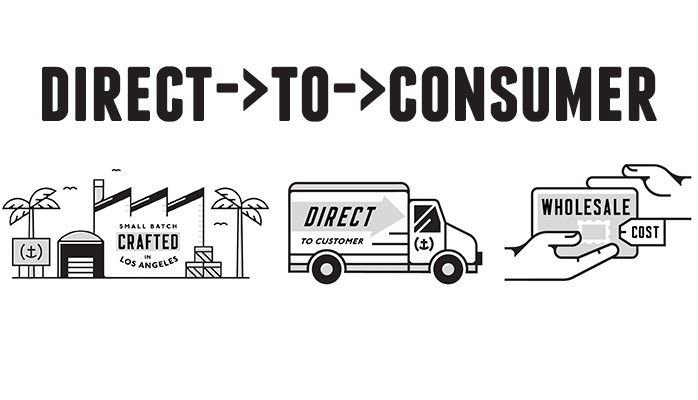
Direct-to-Consumer marketing is a strategy where brands sell products directly to customers without third-party retailers.
Instead of selling through:
-
Department stores
-
Marketplaces
-
Distributors
Brands use:
-
Their own website
-
Social media
-
Email marketing
-
Paid ads
-
SMS
-
Mobile apps
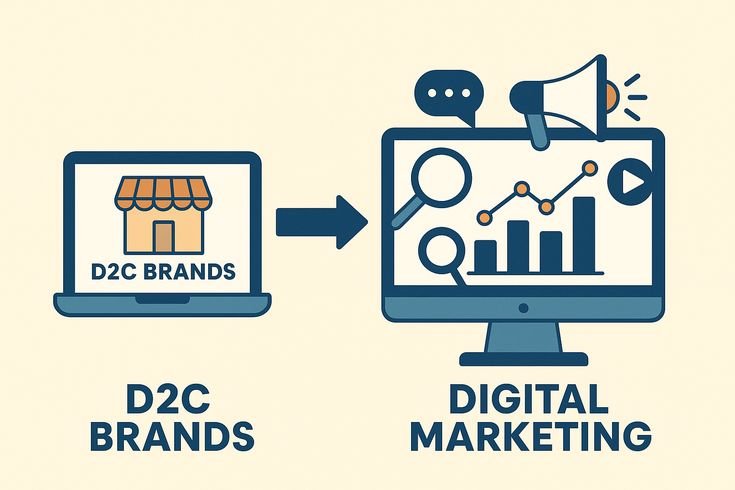
DTC businesses often use platforms like Shopify to build and manage their online storefronts.
Chapter 2: Why DTC Marketing Is So Powerful
1. Full Control Over Branding
You control:
-
Website design
-
Product positioning
-
Customer journey
-
Storytelling
No retailer interference.
2. Higher Profit Margins
Traditional retail margins often cut profits by 30–60%.
DTC eliminates those markups.
3. Direct Access to Customer Data
DTC brands own:
-
Purchase behavior
-
Email lists
-
Browsing data
-
Retargeting audiences
This enables personalization and long-term value optimization.
4. Stronger Customer Relationships
DTC is relationship-driven.
Brands communicate through:
-
Email campaigns
-
SMS updates
-
Social engagement
-
Loyalty programs
This builds brand loyalty.
Chapter 3: Core Pillars of Successful DTC Marketing
1. Strong Brand Identity
DTC is story-driven.
Winning brands focus on:
-
Mission
-
Values
-
Visual consistency
-
Unique voice
Consumers buy brands, not just products.
2. High-Converting Website
Your website is your storefront.
It must have:
-
Fast loading speed
-
Clear product pages
-
Strong CTAs
-
Reviews & testimonials
-
Mobile optimization
User experience is critical.
3. Performance Marketing
Paid advertising fuels DTC growth.
Major platforms include:
-
Facebook
-
Instagram
-
Google Ads
-
TikTok
-
YouTube
Successful DTC brands master:
-
Retargeting ads
-
Lookalike audiences
-
Conversion tracking
-
Creative testing
4. Email & SMS Marketing
Owned channels are crucial.
Email marketing delivers one of the highest ROIs in DTC.
Automations include:
-
Welcome sequence
-
Abandoned cart emails
-
Post-purchase follow-up
-
Upsell & cross-sell campaigns
SMS boosts urgency and engagement.
5. Influencer & Creator Marketing
Modern consumers trust creators.
Micro-influencers often deliver higher engagement than celebrities.
Platforms like Instagram and TikTok are ideal for DTC collaborations.
Chapter 4: Customer Acquisition Strategies
1. Paid Social Advertising
Best for:
-
Fast scaling
-
Product testing
-
Audience validation
Focus on creative testing:
-
Short-form videos
-
User-generated content (UGC)
-
Problem-solution ads
2. Search Marketing
Capture high-intent buyers via:
-
Google Search Ads
-
SEO-optimized product pages
Search intent buyers convert at higher rates.
3. Content Marketing
Publish:
-
Blog posts
-
Buying guides
-
Educational videos
-
Comparison articles
This builds trust and organic traffic.
4. Referral Programs
Offer incentives for sharing.
Example:
“Give $10, Get $10”
Word-of-mouth drives DTC growth.
5. Affiliate Marketing
Partner with bloggers and creators.
Pay commission per sale.
Low risk, high scalability.
Chapter 5: Conversion Rate Optimization (CRO)
Traffic is useless without conversions.
Improve conversion rates by:
-
A/B testing headlines
-
Optimizing product images
-
Adding video demos
-
Displaying social proof
-
Improving checkout flow
Even a 1% increase in conversion can dramatically increase revenue.
Chapter 6: Retention Is the Real Profit Engine
Customer acquisition costs are rising.
Retention is key.
1. Loyalty Programs
Reward repeat purchases.
2. Subscription Models
Recurring revenue increases lifetime value.
Example:
Dollar Shave Club built a billion-dollar brand on subscriptions.
3. Post-Purchase Experience
Send:
-
Thank-you emails
-
How-to guides
-
Care instructions
-
Cross-sell recommendations
Chapter 7: Data & Analytics in DTC
Track:
-
Customer acquisition cost (CAC)
-
Lifetime value (LTV)
-
Average order value (AOV)
-
Conversion rate
-
Return on ad spend (ROAS)
Use tools like:
-
Google Analytics
-
Shopify analytics
-
Ad platform dashboards
Data-driven decisions win.
Chapter 8: Building a Community Around Your Brand
Community creates defensibility.
Ways to build community:
-
Private Facebook groups
-
Discord channels
-
Interactive polls
-
Live Q&A sessions
-
User-generated content contests
Brands like Glossier grew by prioritizing community feedback.
Chapter 9: Advanced DTC Strategies for 2026
1. Personalization at Scale
Use AI-driven tools to:
-
Recommend products
-
Personalize email content
-
Adjust landing pages
2. Short-Form Video Domination
Platforms like TikTok and Instagram Reels drive massive reach.
Authentic UGC-style content converts best.
3. First-Party Data Strategy
With cookie restrictions increasing, focus on:
-
Email capture
-
SMS subscribers
-
Loyalty members
Owned data = long-term stability.
4. Omnichannel Experience
Blend:
-
Online store
-
Social selling
-
Pop-up shops
Consistency is critical.
Chapter 10: Common DTC Mistakes to Avoid
-
Overspending on ads without retention strategy
-
Ignoring mobile optimization
-
Weak product-market fit
-
No brand differentiation
-
Poor customer service
-
Ignoring customer feedback
-
Not tracking metrics
Avoid these pitfalls to maintain profitability.
Chapter 11: 90-Day DTC Marketing Plan
Month 1: Foundation
-
Build optimized website
-
Set up analytics
-
Launch basic ad campaigns
-
Create email welcome sequence
Month 2: Scale & Test
-
Test new creatives
-
Launch influencer collaborations
-
Optimize product pages
-
Add retargeting campaigns
Month 3: Optimize & Retain
-
Launch loyalty program
-
Implement subscription option
-
Expand email automation
-
Focus on repeat purchases
Measure, refine, repeat.
Chapter 12: The Future of DTC Marketing
The next phase of DTC includes:
-
AI-powered personalization
-
Voice commerce
-
Augmented reality product previews
-
Hyper-niche communities
-
Sustainable & ethical branding
Consumers are choosing brands aligned with their values.
Transparency and authenticity will dominate.
Conclusion
Direct-to-Consumer marketing is more than just selling online — it’s about owning your brand, data, and customer relationships.
Success in DTC requires:
✔ Strong branding
✔ Performance marketing expertise
✔ Conversion optimization
✔ Retention strategy
✔ Data-driven decisions
✔ Community building
The brands that win in 2026 will be those that:
-
Focus on long-term relationships
-
Build emotional connections
-
Prioritize customer experience
DTC is not a trend — it’s the future of commerce.