Table of Contents
ToggleBest Google Ranking Tips: The Complete Guide to Improve Your Website Position (3000 Words)
In today’s competitive online environment, achieving a high position in search engine results is essential for business growth. When your website ranks higher on search engines, it attracts more organic traffic, builds credibility, and increases sales opportunities. For most businesses, ranking on the first page of Google search results can significantly impact visibility and customer acquisition.
However, ranking on search engines is not just about inserting keywords into content. Modern search algorithms consider hundreds of factors including website quality, user experience, content relevance, backlinks, and technical performance.
This comprehensive guide explains the best Google ranking tips that can help improve your website’s search visibility and drive consistent organic traffic.
Understanding How Google Ranking Works
Before exploring ranking tips, it’s important to understand how search engines rank websites.
Search engines follow three main processes:
1. Crawling
Search engines use bots (also called spiders) to scan the internet and discover new pages.
2. Indexing
After crawling, pages are stored in the search engine’s database so they can appear in search results.
3. Ranking
When users search for something, search engines analyze indexed pages and rank them based on relevance, quality, and user experience.
Websites that provide valuable, optimized, and trustworthy content are more likely to rank higher.
1. Perform Proper Keyword Research
Keyword research is the foundation of successful SEO. Keywords represent the search terms users type into search engines.
Choosing the right keywords helps your content match user intent and appear in relevant search results.
Best Keyword Research Practices
-
Focus on long-tail keywords
-
Analyze competitor keywords
-
Use keyword research tools
-
Target keywords with good search volume but moderate competition
For example, instead of targeting a broad keyword like “digital marketing”, use more specific phrases such as:
-
best digital marketing tips for beginners
-
SEO ranking strategies for small business
-
Google ranking tips for blogs
These targeted keywords attract more relevant visitors.
2. Create High-Quality Content
Content remains the most important ranking factor. Search engines prioritize content that provides useful, accurate, and detailed information.
High-quality content should:
-
Answer user questions
-
Provide clear solutions
-
Be well structured
-
Include relevant keywords naturally
Long-form content often performs better because it provides more comprehensive information.
Tips for Better Content
-
Write detailed guides
-
Use headings and subheadings
-
Add examples and statistics
-
Update old content regularly
Quality content builds authority and encourages other websites to link to your pages.
3. Optimize On-Page SEO
On-page SEO involves optimizing individual pages to improve search engine visibility.
Important on-page elements include:
Title Tags
The title tag appears in search results and should include your main keyword.
Example:
Best Google Ranking Tips to Improve SEO in 2026
Meta Descriptions
Meta descriptions summarize your page content and encourage users to click.
Header Tags
Use structured headings like:
-
H1 for the main title
-
H2 for sections
-
H3 for subsections
This helps both users and search engines understand the content structure.
URL Structure
Clean URLs improve both SEO and user experience.
Example:
yourwebsite.com/google-ranking-tips
4. Improve Website Loading Speed
Website speed is a critical ranking factor. Slow websites lead to poor user experience and higher bounce rates.
Users expect pages to load within a few seconds.
Ways to Improve Website Speed
-
Optimize images
-
Use browser caching
-
Reduce unnecessary scripts
-
Use a reliable hosting provider
-
Enable content delivery networks (CDN)
Faster websites not only rank better but also improve user satisfaction.
5. Make Your Website Mobile Friendly
Most internet users now browse websites on mobile devices. Because of this trend, Google uses mobile-first indexing, meaning it primarily evaluates the mobile version of a website when ranking pages.
Mobile Optimization Tips
-
Use responsive website design
-
Ensure text is readable on small screens
-
Optimize images for mobile
-
Improve mobile page speed
A mobile-friendly website improves both SEO rankings and user engagement.
6. Build High-Quality Backlinks
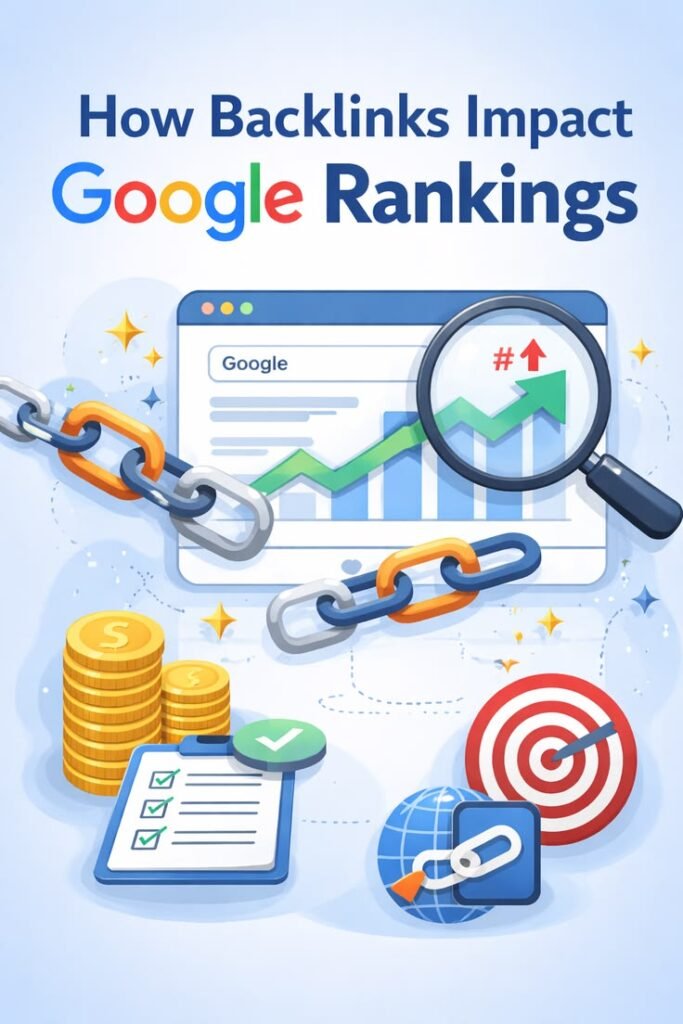
Backlinks are links from other websites that point to your site. They act as votes of confidence and signal to search engines that your content is valuable.
Websites with strong backlink profiles usually rank higher.
Effective Link Building Strategies
-
Guest blogging
-
Creating shareable content
-
Publishing research reports
-
Collaborating with industry experts
-
Building partnerships with other websites
Focus on obtaining backlinks from high-authority and relevant websites rather than low-quality links.
7. Improve User Experience (UX)
User experience plays a major role in search rankings. Search engines analyze how users interact with websites.
Important UX factors include:
-
Easy navigation
-
Fast loading pages
-
Clear layout
-
Engaging content
-
Low bounce rate
When users spend more time on your website, search engines interpret this as a sign of quality content.
8. Optimize Images for SEO
Images improve engagement but must be optimized properly.
Image SEO Tips
-
Use descriptive file names
-
Add alt text to images
-
Compress image sizes
-
Use relevant keywords in image descriptions
Alt text helps search engines understand what the image represents and improves accessibility.
9. Use Internal Linking
Internal links connect different pages within your website.
Benefits of internal linking include:
-
Helping search engines discover pages
-
Distributing page authority
-
Improving user navigation
-
Increasing time spent on the website
For example, a blog post about SEO can link to other articles related to keyword research, content marketing, and technical SEO.
10. Fix Technical SEO Issues
Technical SEO ensures that search engines can crawl and index your website effectively.
Important technical factors include:
-
XML sitemaps
-
Robots.txt files
-
Secure HTTPS connection
-
Fixing broken links
-
Removing duplicate content
Monitoring tools like Google Search Console help identify technical problems that may affect rankings.
11. Focus on Search Intent
Search intent refers to the reason behind a user’s search query.
There are four main types of search intent:
Informational Intent
Users want information.
Example:
“how to improve Google ranking”
Navigational Intent
Users want to visit a specific website.
Commercial Intent
Users are researching products before purchasing.
Transactional Intent
Users are ready to buy.
Understanding search intent helps create content that directly matches user needs.
12. Use Structured Data (Schema Markup)
Structured data helps search engines better understand your content.
It can also enable rich results, such as:
-
Star ratings
-
FAQs
-
Product details
-
Event information
These enhanced results increase visibility and improve click-through rates.
13. Optimize for Featured Snippets
Featured snippets appear at the top of search results and provide quick answers to user questions.
To optimize for snippets:
-
Answer questions clearly
-
Use bullet points and numbered lists
-
Provide concise explanations
-
Include structured headings
Featured snippets can significantly increase website traffic.
14. Update Old Content Regularly
Search engines prefer fresh and updated content.
Updating older posts can improve rankings without creating new content.
Ways to Refresh Content
-
Add new statistics
-
Update outdated information
-
Improve readability
-
Add new sections
-
Optimize for new keywords
Content updates signal to search engines that your website remains relevant.
15. Monitor SEO Performance
Tracking performance is essential for improving search rankings.
Important metrics include:
-
Organic traffic
-
Keyword rankings
-
Click-through rate
-
Bounce rate
-
Conversion rate
Tools like Google Analytics and Google Search Console provide valuable insights into website performance.
These analytics help identify what strategies work best.
Common SEO Mistakes That Hurt Rankings
Many websites fail to rank because of avoidable mistakes.
Keyword Stuffing
Overusing keywords can harm rankings and make content difficult to read.
Duplicate Content
Copying content from other websites reduces credibility and may lead to ranking penalties.
Poor Website Structure
Confusing navigation makes it harder for search engines and users to explore your site.
Ignoring Technical SEO
Technical issues can prevent search engines from indexing pages correctly.
Avoiding these mistakes improves the chances of ranking higher.
Future Trends in Google Ranking
Search engine algorithms continue to evolve. Businesses must adapt to emerging SEO trends.
AI-Driven Search
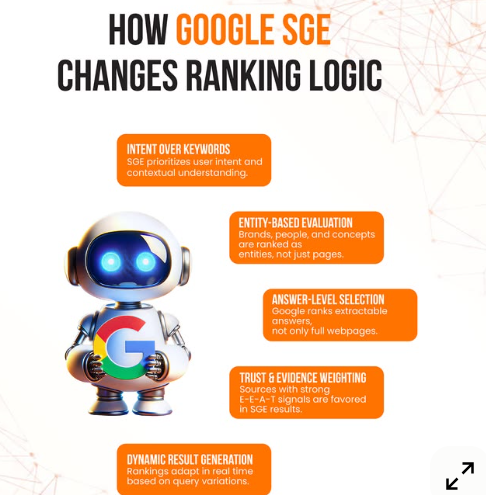
Artificial intelligence is playing a bigger role in analyzing search queries and content relevance.
Voice Search Optimization
More users are searching through voice assistants.
User Experience Signals
Search engines increasingly prioritize websites that offer the best user experience.
Video SEO
Video content is becoming more important for search rankings.
Staying updated with these trends ensures long-term SEO success.
Conclusion
Achieving high rankings on Google requires a combination of strategic SEO practices, quality content, and excellent user experience. By focusing on keyword research, on-page optimization, technical SEO, backlink building, and performance monitoring, businesses can significantly improve their search engine visibility.
SEO is not a one-time process but an ongoing effort. Search algorithms evolve, competitors update strategies, and user behavior changes over time. Businesses that continuously optimize their websites and provide valuable content will maintain strong search rankings.