Table of Contents
ToggleBest Google Keyword Planner Tips: Complete Guide for Better Keyword Research (3000 Words)
Keyword research is one of the most important parts of search engine optimization (SEO) and digital marketing. Without the right keywords, it is difficult for websites to appear in search results and attract organic traffic. One of the most powerful and widely used tools for keyword research is Google Keyword Planner, which is available inside Google Ads.
Google Keyword Planner helps marketers, bloggers, and businesses discover new keywords, analyze search volume, and understand keyword competition. Using this tool correctly can significantly improve your SEO strategy, content marketing, and advertising campaigns.
In this comprehensive guide, we will explore the best Google Keyword Planner tips, how the tool works, and how you can use it to improve your SEO and marketing performance.
What is Google Keyword Planner?
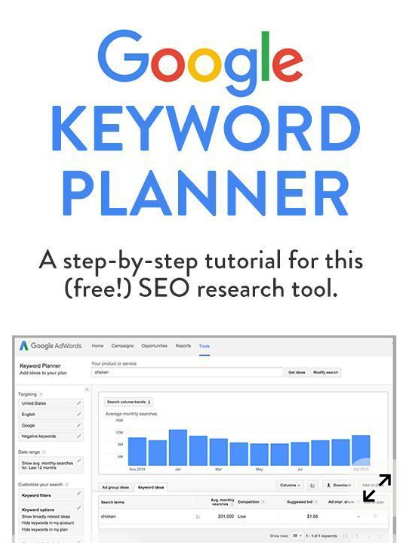
Google Keyword Planner is a free keyword research tool provided by Google that helps marketers find relevant keywords for search engine optimization and advertising campaigns.
It was originally designed for advertisers using Google Ads, but SEO professionals and bloggers also use it for keyword research.
Key Features of Google Keyword Planner
-
Keyword discovery
-
Monthly search volume data
-
Keyword competition analysis
-
Keyword trend insights
-
Cost-per-click (CPC) data
-
Location-based keyword research
These features make it one of the most reliable tools for understanding keyword demand and planning marketing strategies.
Why Google Keyword Planner is Important for SEO
Keyword research determines the success of your SEO strategy. Using the right keywords helps your website appear in relevant search results on Google Search.
Benefits of Google Keyword Planner
1. Accurate Keyword Data
The tool provides keyword information directly from Google’s search database.
2. Content Strategy Planning
Marketers can identify topics that users are actively searching for.
3. Better SEO Optimization
Choosing the right keywords improves website ranking potential.
4. Advertising Campaign Planning
Businesses can estimate advertising costs and keyword performance.
5. Local Keyword Research
The tool allows keyword analysis based on location.
Because of these advantages, Google Keyword Planner remains one of the most trusted tools in digital marketing.
How to Access Google Keyword Planner
To use the tool, follow these steps:
-
Create an account on Google Ads
-
Log in to your dashboard
-
Click on Tools and Settings
-
Select Keyword Planner
Once inside the tool, you will see two main options:
-
Discover new keywords
-
Get search volume and forecasts
Both features are useful for keyword research.
Tip 1: Start with Seed Keywords
Seed keywords are basic words or phrases related to your topic or business.
For example:
If your website is about digital marketing, seed keywords might include:
-
digital marketing
-
SEO tools
-
online marketing
-
social media marketing
Enter these keywords into Google Keyword Planner to discover hundreds of related keyword ideas.
Seed keywords help you generate a large list of potential keywords for your content or campaigns.
Tip 2: Focus on Long-Tail Keywords
Long-tail keywords are longer and more specific keyword phrases.
Examples:
Short keyword: digital marketing
Long-tail keyword: best digital marketing tools for beginners
Long-tail keywords have several advantages:
-
Lower competition
-
Higher conversion rates
-
More targeted traffic
Using long-tail keywords helps websites rank more easily, especially new websites with lower domain authority.
Tip 3: Analyze Keyword Search Volume
Search volume shows how many times a keyword is searched per month.
High search volume means more potential traffic, but it may also indicate higher competition.
When analyzing keywords, aim for a balance between:
-
reasonable search volume
-
moderate competition
This strategy increases the chances of ranking on Google Search.
Tip 4: Check Keyword Competition
Keyword competition indicates how difficult it is to rank or advertise for a particular keyword.
Competition levels typically include:
-
Low competition
-
Medium competition
-
High competition
For new websites, it is best to target low or medium competition keywords.
This improves your chances of ranking faster in search results.
Tip 5: Use Location Targeting
Google Keyword Planner allows you to analyze keywords based on geographic location.
For example, you can research keywords for:
-
India
-
United States
-
United Kingdom
-
specific cities or regions
Location targeting is particularly useful for local businesses and local SEO campaigns.
Tip 6: Analyze Keyword Trends
Keyword trends show whether a keyword’s popularity is increasing or decreasing over time.
Combining keyword data with Google Trends can help identify trending topics and seasonal keywords.
For example:
-
holiday marketing
-
festival sales
-
seasonal shopping keywords
Using trending keywords can help businesses capture timely traffic.
Tip 7: Group Keywords by Topic
After generating keyword ideas, organize them into topic groups.
For example:
SEO Keywords
-
SEO tools
-
SEO tips
-
SEO ranking factors
Content Marketing Keywords
-
content marketing strategy
-
blog marketing tips
Keyword grouping helps create structured content and improves website organization.
Tip 8: Use Keywords for Content Planning
Keyword Planner is not just for advertising—it is also extremely useful for content planning.
Marketers can use keyword research to plan:
-
blog topics
-
website pages
-
landing pages
-
product descriptions
Content that targets relevant keywords has a better chance of ranking on search engines.
Tip 9: Analyze Competitor Keywords
Studying competitor keywords helps identify opportunities for ranking.
If competitors are ranking for certain keywords, you can create better and more detailed content targeting the same keywords.
Competitive analysis helps improve your overall SEO strategy.
Tip 10: Focus on Search Intent
Search intent refers to the reason behind a user’s search query.
There are four main types of search intent:
-
Informational intent
-
Navigational intent
-
Transactional intent
-
Commercial intent
Understanding search intent helps you create content that satisfies user needs.
For example:
A user searching for “best digital marketing tools” is likely looking for recommendations or reviews.
Matching content with search intent improves ranking potential.
Tip 11: Use Keyword Forecasts
Google Keyword Planner provides forecasting data for advertising campaigns.
This includes:
-
estimated clicks
-
estimated impressions
Forecast data helps businesses plan effective marketing budgets.
Tip 12: Use Negative Keywords
Negative keywords prevent ads from appearing for irrelevant searches.
For example:
If you sell premium marketing courses, you might add negative keywords like:
-
free
-
cheap
-
discount
Negative keywords improve ad targeting and reduce wasted advertising budget.
Tip 13: Export Keyword Data
Google Keyword Planner allows users to export keyword data into spreadsheets.
Exporting data helps marketers:
-
analyze keywords more effectively
-
organize keyword lists
-
share data with marketing teams
This is particularly useful for large keyword research projects.
Tip 14: Combine Keyword Planner with Other SEO Tools
Although Google Keyword Planner is powerful, combining it with other SEO tools can improve research results.
Popular SEO tools include:
-
Ahrefs
-
SEMrush
-
Moz
-
Ubersuggest
Using multiple tools helps marketers gain deeper insights into keyword opportunities.
Common Mistakes When Using Google Keyword Planner
Many beginners make mistakes while using the tool.
1. Choosing Only High-Volume Keywords
High search volume often means high competition.
2. Ignoring Long-Tail Keywords
Long-tail keywords are easier to rank for.
3. Not Considering Search Intent
Keywords should match the user’s intent.
4. Poor Keyword Organization
Unorganized keywords lead to weak content strategies.
Avoiding these mistakes improves keyword research effectiveness.
Future of Keyword Research
Keyword research is evolving as search engines become more intelligent.
Future trends include:
-
AI-powered keyword research
-
voice search optimization
-
semantic search technology
-
personalized search results
Search engines are focusing more on user intent and content relevance rather than simple keyword matching.
Marketers must adapt to these changes to remain competitive.
Conclusion
Google Keyword Planner is one of the most powerful tools for keyword research, SEO planning, and advertising strategy. It provides valuable insights into search volume, competition, keyword trends, and forecasting data.
By following the best tips—such as targeting long-tail keywords, analyzing search volume, understanding search intent, and grouping keywords effectively—marketers can create stronger SEO strategies and improve search rankings.
Whether you are a blogger, SEO specialist, or business owner, mastering Google Keyword Planner can significantly improve your ability to attract organic traffic and grow your online presence.