Table of Contents
ToggleBest Online Marketing Trends: The Complete Guide to Future Digital Marketing Strategies
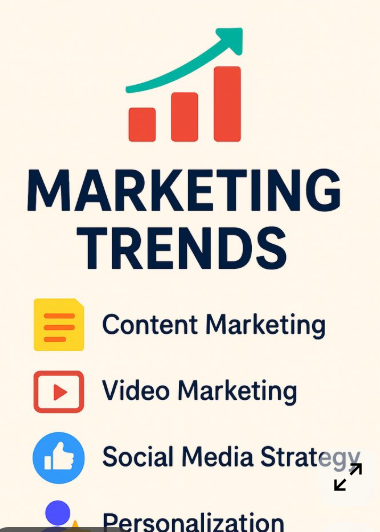
Online marketing is constantly evolving as new technologies, consumer behaviors, and digital platforms transform the way businesses connect with audiences. Companies that stay updated with the latest online marketing trends can improve brand visibility, attract customers, and achieve long-term business growth.
In today’s competitive digital environment, marketers must adopt innovative strategies such as artificial intelligence marketing, video marketing, personalized advertising, and automation to remain successful.
Platforms like Google Analytics, HubSpot, and YouTube are shaping modern marketing practices and helping businesses reach audiences more effectively.
This comprehensive guide explores the best online marketing trends, their importance, and how businesses can use them to stay competitive in the digital world.
What Are Online Marketing Trends?
Online marketing trends refer to the latest strategies, technologies, and practices that influence digital marketing activities.
These trends reflect changes in:
-
consumer behavior
-
technology development
-
search engine algorithms
-
digital communication platforms
Businesses that adopt these trends early can gain a competitive advantage and improve marketing results.
Importance of Following Online Marketing Trends
Staying updated with marketing trends offers several benefits.
Improved Customer Engagement
Modern marketing trends focus on personalized experiences that improve customer interaction.
Competitive Advantage
Businesses that adopt new technologies before competitors can capture larger market share.
Better Marketing Efficiency
Advanced tools and automation systems improve productivity and reduce manual work.
Data-Driven Marketing
Analytics platforms such as Google Analytics provide insights that help businesses make smarter marketing decisions.
These advantages make trend awareness essential for successful digital marketing.
Top Online Marketing Trends
Several emerging trends are shaping the future of online marketing.
Artificial Intelligence in Marketing
Artificial intelligence is transforming digital marketing strategies.
AI-powered tools help businesses analyze customer behavior, personalize marketing campaigns, and automate marketing processes.
Platforms such as HubSpot use AI to optimize email marketing campaigns and customer engagement strategies.
AI technologies can also predict customer preferences and recommend products automatically.
Video Marketing Growth
Video marketing continues to dominate digital marketing strategies.
Platforms like YouTube have become powerful marketing channels for brands.
Benefits of video marketing include:
-
higher engagement rates
-
improved brand storytelling
-
better customer understanding
Businesses use videos for product demonstrations, tutorials, testimonials, and promotional campaigns.
Voice Search Optimization
Voice search technology is changing how users search for information online.
Voice assistants are used through smartphones and smart devices to perform searches using natural language.
Search engines like Google are adapting their algorithms to understand conversational queries.
Businesses must optimize their content for voice search by targeting natural language keywords and answering common questions.
Personalization Marketing
Personalization is becoming one of the most important online marketing trends.
Customers expect brands to deliver personalized experiences based on their preferences and behavior.
Examples of personalization include:
-
personalized product recommendations
-
targeted email campaigns
-
customized website content
Tools such as HubSpot help marketers create personalized customer journeys.
Influencer Marketing
Influencer marketing has become a powerful strategy for promoting products and services.
Social media influencers collaborate with brands to reach specific audiences and build trust.
Platforms such as:
-
Instagram
-
YouTube
-
TikTok
allow influencers to connect with millions of followers.
Influencer partnerships help brands increase credibility and visibility.
Social Commerce
Social commerce refers to selling products directly through social media platforms.
Consumers can discover, evaluate, and purchase products without leaving social apps.
Platforms such as Instagram and Facebook now offer integrated shopping features.
Social commerce simplifies the buying process and improves customer convenience.
Marketing Automation
Marketing automation tools streamline repetitive marketing tasks and improve efficiency.
Automation can handle tasks such as:
-
email campaigns
-
lead nurturing
-
customer segmentation
-
social media scheduling
Platforms like HubSpot help businesses automate marketing workflows.
Automation saves time and improves marketing productivity.
Data Privacy and Ethical Marketing
As consumers become more concerned about data privacy, businesses must adopt transparent marketing practices.
Digital platforms are implementing stricter privacy regulations and data protection policies.
Marketers must ensure responsible data usage and respect customer privacy.
Ethical marketing practices help build long-term trust with customers.
Interactive Content Marketing
Interactive content is becoming increasingly popular in digital marketing.
Examples include:
-
quizzes
-
polls
-
interactive videos
-
surveys
Interactive content encourages user participation and improves engagement rates.
This trend helps brands build stronger relationships with audiences.
Omnichannel Marketing
Omnichannel marketing integrates multiple marketing channels to create a seamless customer experience.
Customers interact with brands through several channels, including:
-
websites
-
social media
-
email marketing
-
mobile apps
Businesses must ensure consistent messaging across all channels.
Analytics platforms such as Google Analytics help track customer interactions across channels.
Best Tools for Online Marketing Trends
Modern marketing trends rely on advanced digital tools.
Analytics Tools
Google Analytics provides insights into user behavior and marketing performance.
SEO Tools
Platforms such as SEMrush help marketers analyze keywords, competitors, and search trends.
Social Media Marketing Tools
Tools such as Hootsuite help manage social media campaigns and schedule posts.
Email Marketing Tools
Mailchimp enables businesses to create automated email campaigns.
How Businesses Can Adapt to Marketing Trends
Businesses must take proactive steps to adopt new marketing trends.
Invest in Digital Marketing Technology
Using modern tools improves marketing efficiency and campaign performance.
Focus on Customer Experience
Customer satisfaction should be the center of all marketing strategies.
Train Marketing Teams
Continuous learning helps marketing teams adapt to new technologies and strategies.
Monitor Marketing Performance
Data analysis helps businesses measure the effectiveness of marketing strategies.
Analytics platforms such as Google Analytics provide valuable performance insights.
Challenges in Adopting Online Marketing Trends
Despite their benefits, new marketing trends may present challenges.
Rapid Technological Changes
Marketing technologies evolve quickly, requiring continuous adaptation.
Data Privacy Regulations
Strict regulations require businesses to handle customer data responsibly.
Increasing Competition
More businesses are investing in digital marketing, increasing competition.
Overcoming these challenges requires strong strategic planning.
Future of Online Marketing
The future of online marketing will be shaped by technological innovation and evolving consumer expectations.
Key developments may include:
-
advanced artificial intelligence marketing tools
-
immersive marketing experiences using virtual reality
-
increased automation and predictive analytics
-
stronger focus on personalized marketing experiences
Businesses that embrace these innovations will remain competitive in the digital marketplace.
Best Practices for Online Marketing Success
To stay ahead in digital marketing, businesses should follow several best practices.
-
monitor industry trends regularly
-
invest in advanced marketing tools
-
focus on high-quality content creation
-
analyze marketing data continuously
-
prioritize customer experience
These practices help businesses adapt to changing digital environments.
Conclusion
Online marketing trends continue to reshape how businesses interact with customers and promote their products. Emerging technologies such as artificial intelligence, voice search, personalization, and automation are transforming digital marketing strategies.
Platforms such as Google Analytics, HubSpot, and YouTube are playing a significant role in helping businesses adapt to these trends.
By staying informed about the latest marketing developments and implementing innovative strategies, businesses can enhance customer engagement, increase brand visibility, and achieve long-term success in the digital marketplace.