Table of Contents
ToggleBest D2C Brand Marketing Strategy Guide (2026 Edition)
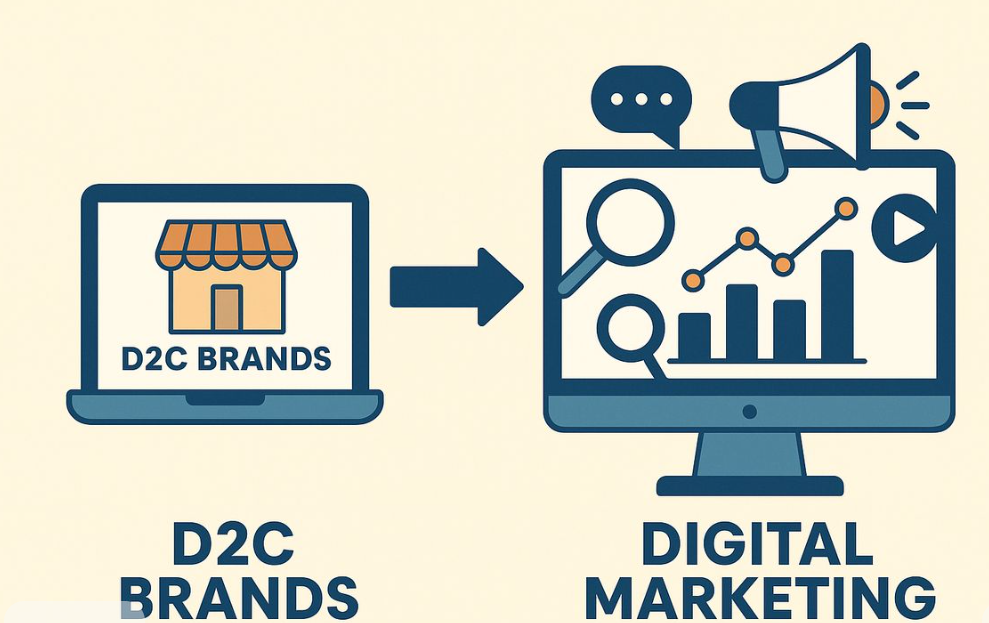
Direct-to-Consumer (D2C) brand marketing has transformed how businesses connect with customers. Unlike traditional retail, D2C brands sell directly through their own digital channels—giving them full control over customer experience, data, and brand storytelling.
In India and globally, D2C is booming due to digital adoption, changing consumer behavior, and demand for personalized experiences. This comprehensive 3000-word guide explores the best D2C brand marketing strategies, real-world examples, tools, and actionable insights to help you build and scale a successful D2C brand.
1. What is D2C Brand Marketing?
D2C (Direct-to-Consumer) marketing is a strategy where brands bypass intermediaries (retailers, distributors) and sell directly to customers through:
-
Websites (Shopify, WooCommerce)
-
Mobile apps
-
Social media platforms
-
Marketplaces (Amazon, Flipkart)
Key Benefits:
-
Full control over branding
-
Direct customer relationships
-
Higher profit margins
-
Access to first-party data
2. Why D2C Marketing is Growing Rapidly
The D2C ecosystem is expanding fast, especially in India.
Key Growth Drivers:
1. Digital Penetration
India has over 500 million smartphone users, enabling brands to reach audiences at scale.
2. Changing Consumer Behavior
Consumers prefer:
-
Convenience
-
Personalization
-
Direct brand interaction
3. Rise of Social Commerce
Platforms like Instagram, YouTube, and WhatsApp drive massive D2C sales growth, with social commerce expected to reach billions in value.
4. Tier-2 & Tier-3 Expansion
D2C brands are rapidly expanding beyond metro cities into smaller markets.
3. Core Pillars of Successful D2C Brand Marketing
1. Strong Brand Positioning
Your brand must answer:
-
Why should customers choose you?
-
What problem do you solve?
Example:
-
Sugar Cosmetics → Affordable luxury
-
Licious → Fresh, high-quality meat delivery
Clear positioning builds trust and loyalty.
2. Customer-Centric Approach
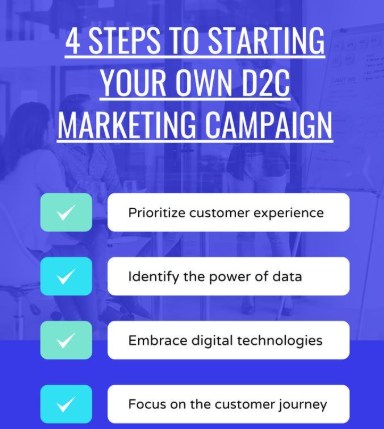
D2C brands thrive by focusing on customer experience:
-
Easy checkout
-
Fast delivery
-
Responsive support
Brands like Licious built trust through quality and convenience.
3. Data-Driven Marketing
D2C brands rely heavily on data:
-
Customer behavior tracking
-
Purchase patterns
-
Retention metrics
Personalized marketing can increase revenue significantly when executed well.
4. Top D2C Marketing Strategies (Proven & Effective)
1. Hyper-Personalization
Use AI and data to deliver:
-
Personalized product recommendations
-
Dynamic pricing
-
Tailored emails
Tools:
-
CRM platforms
-
Customer Data Platforms (CDPs)
-
AI recommendation engines
Hyper-personalization improves conversions and user experience.
2. Social Media & Influencer Marketing
Social platforms are the backbone of D2C marketing.
Strategies:
-
Instagram Reels & YouTube Shorts
-
Micro-influencer collaborations
-
User-generated content (UGC)
Brands like boAt use micro-influencers for higher engagement and conversions.
3. Content Marketing (SEO + Storytelling)
Content builds trust and organic traffic.
Content Types:
-
Blogs (SEO-driven)
-
Product tutorials
-
Educational videos
-
Customer stories
Example:
Sugar Cosmetics combines education + entertainment content to attract millions of users.
4. Omnichannel Marketing
Modern D2C is not just online.
Channels:
-
Website + App
-
Social media
-
Offline experience stores
Brands are opening physical stores to enhance customer experience.
5. Performance Marketing (Paid Ads)
Paid ads drive fast growth.
Platforms:
-
Meta Ads (Facebook + Instagram)
-
Google Ads
-
YouTube Ads
Best Practices:
-
A/B testing creatives
-
Retargeting campaigns
-
Lookalike audiences
Even small budgets can generate strong ROI with optimized campaigns.
6. Community Building
Community-led growth is replacing traditional marketing.
Strategies:
-
Private groups (WhatsApp, Discord)
-
Loyalty programs
-
Brand ambassadors
Consumers trust communities more than ads.
7. Subscription & Retention Models
Retention is key in D2C.
Examples:
-
Subscription boxes
-
Auto-replenishment
-
Membership perks
Retention increases lifetime value (LTV).
8. Affiliate & Performance Influencer Marketing
Modern D2C brands are shifting to performance-based influencer marketing.
Creators earn commission only when sales happen, making campaigns cost-efficient.
9. Sustainability & Purpose-Driven Branding
Today’s consumers prefer brands with values.
Trends:
-
Eco-friendly packaging
-
Ethical sourcing
-
Social impact
70% of consumers prefer sustainable products.
10. Technology & Innovation
Tech differentiates D2C brands.
Examples:
-
AR try-ons (Lenskart)
-
AI recommendations
-
Chatbots
Technology enhances user experience and trust.
5. Real Examples of Successful D2C Brands
1. Lenskart
-
Virtual try-on technology
-
Omnichannel presence
-
Strong branding
2. Sugar Cosmetics
-
Digital-first marketing
-
Influencer-driven growth
-
Content-heavy strategy
3. Bewakoof
-
Youth-focused branding
-
Meme marketing
-
Pop culture collaborations
4. Licious
-
Supply chain ownership
-
Quality-focused branding
-
Fast delivery model
5. Wow Skin Science
-
Transparency in ingredients
-
Eco-friendly packaging
6. D2C Marketing Funnel (Step-by-Step)
Stage 1: Awareness
-
Social media ads
-
Influencer marketing
-
SEO content
Stage 2: Consideration
-
Reviews
-
Email marketing
-
Product demos
Stage 3: Conversion
-
Discounts
-
Limited offers
-
Easy checkout
Stage 4: Retention
-
Loyalty programs
-
Email campaigns
-
Subscriptions
Stage 5: Advocacy
-
Referral programs
-
User-generated content
7. Best Channels for D2C Marketing
1. Instagram & Reels
-
Visual storytelling
-
Influencer reach
2. YouTube & Shorts
-
Product demos
-
Viral content
3. Google (SEO + Ads)
-
High-intent traffic
4. Email & WhatsApp
-
Personalized communication
-
High conversion rates
5. Marketplaces
-
Amazon, Flipkart for additional reach
8. Metrics to Track in D2C Marketing
Key KPIs:
-
Customer Acquisition Cost (CAC)
-
Lifetime Value (LTV)
-
Conversion Rate
-
Retention Rate
-
Average Order Value (AOV)
Data-driven decisions are critical for scaling.
9. Common Mistakes to Avoid
1. Ignoring Branding
Performance ads alone don’t build long-term value.
2. Over-Reliance on Paid Ads
Focus on organic + retention strategies.
3. Poor Customer Experience
Bad UX leads to high churn.
4. Lack of Differentiation
Unique value proposition is essential.
10. Future Trends in D2C Marketing (2026 & Beyond)
1. AI-Driven Marketing
-
Predictive analytics
-
Smart recommendations
2. Voice Commerce
-
Alexa & Google Assistant shopping
3. Quick Commerce Integration
-
10-minute delivery partnerships
4. Creator Economy Growth
-
More influencer-led brands
5. First-Party Data Focus
-
Privacy-friendly marketing
11. Step-by-Step D2C Marketing Plan
Step 1: Define Your Niche
-
Identify target audience
-
Understand pain points
Step 2: Build Brand Identity
-
Logo, tone, messaging
Step 3: Launch Website
-
Mobile-first design
-
Fast checkout
Step 4: Create Content Strategy
-
SEO blogs
-
Social media content
Step 5: Run Paid Ads
-
Start small, scale gradually
Step 6: Build Community
-
Engage customers regularly
Step 7: Optimize & Scale
-
Use analytics
-
Improve campaigns
12. Conclusion
D2C brand marketing is not just about selling products—it’s about building relationships, trust, and memorable experiences.
The most successful D2C brands:
-
Focus on customers
-
Use data intelligently
-
Build strong communities
-
Deliver consistent value