Table of Contents
ToggleThe Ultimate Guide to the Best Brand Awareness Campaigns
Introduction
In today’s crowded digital marketplace, having a great product or service is no longer enough. Brands must actively create visibility, recognition, and emotional connections with their audience. This is where brand awareness campaigns play a crucial role.
A successful brand awareness campaign ensures that your target audience not only knows your brand but also remembers it, trusts it, and chooses it over competitors. Whether you’re a startup or an established business, investing in brand awareness is essential for long-term success.
This comprehensive guide will explore the best brand awareness campaign strategies, examples, tools, and actionable steps to help you build a strong and memorable brand presence.
What is a Brand Awareness Campaign?
A brand awareness campaign is a marketing effort designed to increase recognition and familiarity of a brand among its target audience.
Key Objectives:
- Increase visibility
- Build trust
- Create emotional connection
- Establish authority
- Improve recall
Unlike direct sales campaigns, brand awareness campaigns focus on long-term growth rather than immediate conversions.
Why Brand Awareness Campaigns Matter
1. Builds Trust and Credibility
Consumers prefer brands they recognize and trust.
2. Improves Customer Loyalty
Familiar brands attract repeat customers.
3. Supports Marketing Efforts
Brand awareness makes other campaigns more effective.
4. Increases Market Share
Strong brands dominate their industry.
5. Drives Long-Term Growth
Awareness leads to sustained business success.
Types of Brand Awareness Campaigns
1. Social Media Campaigns
Leverage platforms to reach a wide audience.
Examples:
- Hashtag campaigns
- Viral challenges
- Influencer collaborations
2. Content Marketing Campaigns
Create valuable content to attract and engage users.
Formats:
- Blogs
- Videos
- Infographics
- Podcasts
3. Video Marketing Campaigns
Video is one of the most effective formats.
Benefits:
- High engagement
- Emotional storytelling
- Strong recall
4. Influencer Marketing Campaigns
Partner with influencers to amplify reach.
5. PR and Media Campaigns
Use press releases and media coverage.
6. Experiential Marketing Campaigns
Create memorable real-world experiences.
7. Paid Advertising Campaigns
Use ads to reach targeted audiences quickly.
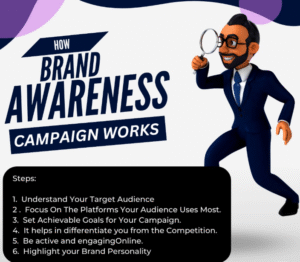
Step-by-Step Guide to Creating the Best Brand Awareness Campaign
Step 1: Define Your Brand Identity
Clarify:
- Mission
- Vision
- Values
- Unique selling proposition (USP)
A strong identity forms the foundation of your campaign.
Step 2: Identify Your Target Audience
Understand:
- Demographics
- Interests
- Behavior
- Pain points
Audience clarity ensures better targeting.
Step 3: Set Clear Goals
Examples:
- Increase website traffic
- Grow social media followers
- Improve brand recall
Use measurable KPIs.
Step 4: Choose the Right Channels
Select platforms based on your audience:
- Social media
- Search engines
- Display networks
- Email marketing
Step 5: Create Compelling Content
Key Elements:
- Storytelling
- Emotional appeal
- Visual consistency
- Clear messaging
Step 6: Use Consistent Branding
Maintain:
- Colors
- Fonts
- Tone of voice
Consistency builds recognition.
Step 7: Launch and Promote Campaign
Use a mix of organic and paid strategies.
Step 8: Measure Performance
Track:
- Reach
- Impressions
- Engagement
- Brand mentions
Step 9: Optimize and Improve
Refine your campaign based on data.
Best Brand Awareness Campaign Strategies
1. Storytelling Marketing
Tell stories that resonate emotionally.
2. User-Generated Content
Encourage users to create content.
3. Influencer Collaborations
Leverage influencer audiences.
4. Viral Marketing
Create shareable content.
5. Omnichannel Marketing
Use multiple platforms for consistent messaging.
6. Personalization
Tailor messages to specific audiences.
7. Community Building
Focus on creating loyal communities.
Examples of Successful Brand Awareness Campaigns
1. Nike – “Just Do It”
A powerful message that inspires action.
2. Coca-Cola – “Share a Coke”
Personalized bottles increased engagement.
3. Apple – “Think Different”
Positioned Apple as innovative and unique.
4. Dove – “Real Beauty”
Focused on authenticity and self-esteem.
Tools for Brand Awareness Campaigns
Content Creation:
- Canva
- Adobe Creative Suite
Social Media Management:
- Hootsuite
- Buffer
Analytics:
- Google Analytics
- Brand tracking tools
Common Mistakes to Avoid
- Inconsistent branding
- Ignoring audience insights
- Lack of clear goals
- Over-promoting products
- Not measuring results
Brand Awareness Trends
1. Video-First Content
Short videos dominate engagement.
2. Authentic Marketing
Real and relatable content performs better.
3. AI-Powered Campaigns
Automation improves targeting and creativity.
4. Influencer Growth
Influencers continue to drive awareness.
5. Social Responsibility
Brands focusing on social causes gain trust.
Sample Brand Awareness Campaign Plan
| Week | Activity |
|---|---|
| 1 | Research & Strategy |
| 2 | Content Creation |
| 3 | Campaign Launch |
| 4 | Performance Tracking |
Measuring Brand Awareness Success
Key Metrics:
- Reach
- Impressions
- Social shares
- Website traffic
- Brand recall
How to Scale Brand Awareness Campaigns
1. Increase Content Production
Create more high-quality content.
2. Expand Channels
Use additional platforms.
3. Invest in Paid Ads
Boost reach and visibility.
4. Collaborate with Influencers
Expand audience reach.
Conclusion
Brand awareness campaigns are essential for building a strong and recognizable brand. By focusing on storytelling, consistency, and audience engagement, businesses can create lasting impressions and drive long-term success.
Final Thoughts
The best brand awareness campaigns are those that connect emotionally, deliver value, and remain consistent across all touchpoints.
Start building your brand awareness strategy today and position your business for long-term growth and success.
Remember, people don’t just buy producthey buy brands they trust and remember.ts—