Table of Contents
ToggleBest Metaverse Marketing Strategies: The Complete Guide for Future-Ready Brands
Introduction
The internet is evolving—and the next phase is the metaverse. No longer limited to websites and social media platforms, users are now entering immersive digital worlds where they can interact, shop, play, and socialize in real time.
For brands, this shift presents a powerful opportunity. Metaverse marketing allows businesses to create interactive experiences, build deeper engagement, and unlock entirely new revenue streams.
From virtual showrooms to NFT-based loyalty programs, companies are already experimenting with innovative ways to connect with audiences in this digital universe.
In this in-depth guide, you’ll discover the best metaverse marketing strategies, tools, trends, and actionable steps to help your business thrive in the metaverse era.
What is the Metaverse?
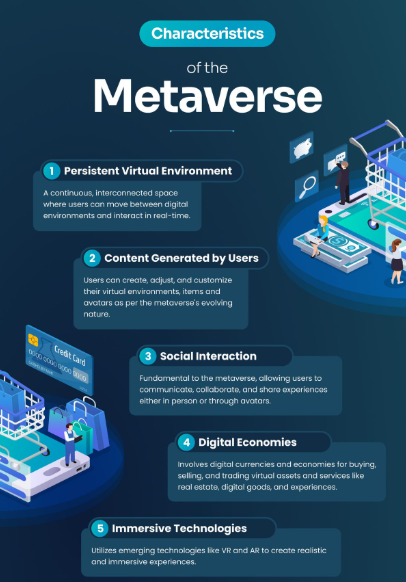
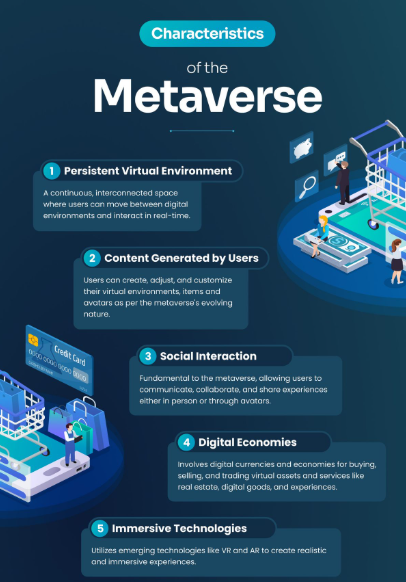
The metaverse is a network of virtual environments where users interact through avatars using technologies like:
- Virtual Reality (VR)
- Augmented Reality (AR)
- Blockchain
- Artificial Intelligence (AI)
Key Characteristics:
- Immersive experiences
- Real-time interaction
- Digital ownership
- Decentralized ecosystems
Why Metaverse Marketing is Important
1. Next-Level Engagement
Traditional ads are passive—metaverse experiences are interactive.
2. New Revenue Opportunities
Brands can sell digital products, NFTs, and virtual services.
3. Global Accessibility
Users from anywhere can participate.
4. Competitive Advantage
Early adopters gain massive visibility.
Key Metaverse Platforms
1. Decentraland
A decentralized virtual world powered by blockchain.
2. Roblox
A popular platform for user-generated games and experiences.
3. Fortnite
A gaming ecosystem hosting concerts and brand collaborations.
4. Horizon Worlds
A VR platform developed by Meta.
Types of Metaverse Marketing
1. Virtual Brand Experiences
Create immersive brand environments where users interact.
2. Virtual Stores
Allow users to browse and purchase products digitally.
3. NFT Marketing
Sell or distribute digital collectibles.
4. Virtual Events
Host product launches, concerts, or conferences.
5. In-Game Advertising
Promote products within gaming environments.
6. Digital Avatars & Influencers
Use virtual personalities to promote your brand.
Best Metaverse Marketing Strategies
1. Create Immersive Experiences
The core of metaverse marketing is experience.
Examples:
- Virtual showrooms
- Interactive product demos
- 3D brand worlds
Result:
Higher engagement and longer user interaction.
2. Invest in Virtual Real Estate
Buying land in metaverse platforms allows you to establish a permanent presence.
Benefits:
- Brand visibility
- Monetization opportunities
- Hosting events
3. Launch NFTs for Engagement
NFTs can be used as:
- Digital collectibles
- Membership passes
- Loyalty rewards
4. Host Virtual Events
Events drive massive engagement.
Ideas:
- Virtual concerts
- Product launches
- Workshops
5. Gamify Your Marketing
Gamification increases user participation.
Examples:
- Challenges
- Rewards
- Leaderboards
6. Collaborate with Metaverse Creators
Partner with:
- Game developers
- Virtual influencers
- Digital artists
7. Build a Strong Community
Community is the backbone of the metaverse.
Strategies:
- Create exclusive groups
- Offer rewards
- Engage regularly
8. Use AR and VR Integration
Enhance experiences with immersive technologies.
9. Enable Virtual Commerce
Sell both physical and digital products.
10. Personalize Experiences
Use data to tailor interactions for each user.
Metaverse Marketing Funnel
Awareness:
- Virtual ads
- Influencer collaborations
Engagement:
- Interactive experiences
- Games
Conversion:
- Virtual stores
- NFT sales
Retention:
- Community
- Loyalty rewards
Tools for Metaverse Marketing
- Unity
- Unreal Engine
- Blender (3D design)
- Blockchain platforms
Benefits of Metaverse Marketing
- High engagement rates
- Unique brand positioning
- Innovative customer experiences
- New monetization channels
Challenges to Consider
- High development costs
- Technical complexity
- Limited mass adoption (currently)
- Regulatory uncertainties
Best Practices for Success
- Start with small experiments
- Focus on user experience
- Stay updated with trends
- Combine metaverse with traditional marketing
Real-World Use Case
A fashion brand enters the metaverse:
- Launches a virtual store
- Sells digital clothing
- Hosts virtual fashion shows
Result:
- Increased brand awareness
- New revenue streams
- Strong community engagement
Future Trends in Metaverse Marketing
1. AI Integration
Smarter and more personalized experiences.
2. Cross-Platform Interoperability
Users move across virtual worlds seamlessly.
3. Virtual Economies
Growth of digital currencies and assets.
4. Enhanced VR Experiences
More realistic and immersive environments.
How to Get Started with Metaverse Marketing
Step 1: Define Goals
Brand awareness, engagement, or revenue.
Step 2: Choose Platform
Select based on your audience.
Step 3: Develop Experience
Create interactive content.
Step 4: Launch and Promote
Use existing channels to drive traffic.
Step 5: Analyze and Optimize
Track performance and improve.
Common Mistakes to Avoid
- Treating it like traditional marketing
- Ignoring user experience
- Overcomplicating the strategy
- Not measuring performance
Metaverse vs Traditional Marketing
| Factor | Traditional Marketing | Metaverse Marketing |
|---|---|---|
| Engagement | Low | High |
| Interaction | One-way | Two-way |
| Experience | Static | Immersive |
| Innovation | Limited | High |
Conclusion
Metaverse marketing is not just a trend—it’s the future of digital interaction. As technology evolves, businesses that embrace immersive experiences, community building, and digital innovation will lead the next wave of marketing transformation.
While the metaverse is still developing, the opportunities it offers are enormous. Brands that start early can establish authority, build loyal communities, and unlock new growth channels.
Final Takeaways
- Focus on immersive and interactive experiences
- Build strong communities
- Explore NFTs and digital assets
- Start small and scale gradually
- Stay ahead of emerging trends