Table of Contents
ToggleThe Ultimate Guide to Automated Email Marketing in 2026
Email marketing remains one of the most powerful digital marketing channels—but in 2026, success depends on automation. Sending manual emails is no longer scalable or efficient. Businesses that leverage automated email marketing can nurture leads, boost conversions, and build long-term customer relationships—without constant manual effort.
This comprehensive guide will walk you through everything you need to know about automated email marketing, including strategies, tools, workflows, and best practices to help you scale your business.
What is Automated Email Marketing?
Automated email marketing is the use of software and workflows to send emails automatically based on predefined triggers, user behavior, or schedules.
Examples:
- Welcome emails after signup
- Abandoned cart reminders
- Birthday or anniversary emails
- Re-engagement campaigns
Why Automated Email Marketing Matters
1. Saves Time and Effort
Automation eliminates repetitive manual tasks.
2. Improves Customer Engagement
Timely, relevant emails increase interaction.
3. Increases Conversions
Targeted messages drive more sales.
4. Enhances Personalization
Deliver tailored experiences at scale.
5. Boosts ROI
Email marketing offers one of the highest returns.
Key Components of Email Automation
1. Triggers
Events that initiate emails:
- Signup
- Purchase
- Website visit
2. Workflows
Sequences of automated emails.
3. Segmentation
Divide users into targeted groups.
4. Personalization
Customize content for each user.
5. Analytics
Track performance and optimize campaigns.
Types of Automated Email Campaigns
1. Welcome Emails
Introduce your brand to new subscribers.
2. Drip Campaigns
Send a series of emails over time.
3. Abandoned Cart Emails
Recover lost sales in e-commerce.
4. Lead Nurturing Campaigns
Guide prospects through the funnel.
5. Re-Engagement Emails
Reconnect with inactive users.
6. Transactional Emails
Order confirmations, receipts, etc.
7. Upsell and Cross-Sell Emails
Promote related products or upgrades.
Best Automated Email Marketing Strategies
1. Build a Strong Email List
Focus on:
- Quality over quantity
- Opt-in subscribers
2. Segment Your Audience
Group users based on:
- Behavior
- Interests
- Demographics
3. Use Behavioral Triggers
Send emails based on user actions.
4. Personalize Content
Customize:
- Subject lines
- Offers
- Recommendations
5. Optimize Timing
Send emails when users are most active.
6. Use A/B Testing
Test subject lines, CTAs, and content.
7. Create Engaging Content
Focus on value, not just promotion.
8. Optimize for Mobile
Ensure emails are mobile-friendly.
9. Monitor Performance
Use analytics tools like Google Analytics.
10. Continuously Improve
Refine campaigns based on data.
Email Automation Workflow Example
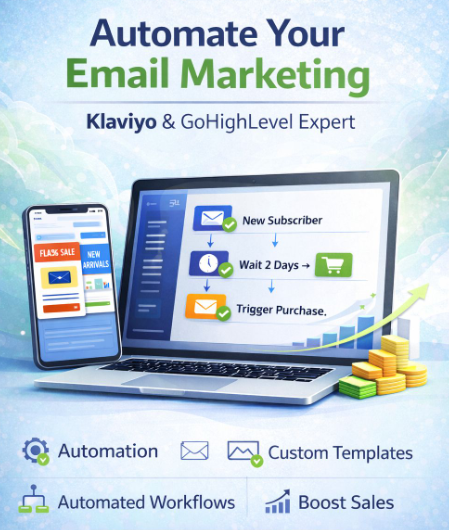
Scenario: New Subscriber
Step 1: Signup
User subscribes to your list.
Step 2: Welcome Email
Send immediately.
Step 3: Follow-Up Email
Share valuable content after 2 days.
Step 4: Offer Email
Provide a discount after 5 days.
Step 5: Reminder Email
Encourage action after 7 days.
Best Tools for Automated Email Marketing
1. Mailchimp
User-friendly automation platform.
2. HubSpot
Advanced CRM and automation features.
3. ActiveCampaign
Powerful segmentation and workflows.
4. Klaviyo
Ideal for e-commerce businesses.
5. Salesforce
Enterprise-level automation solutions.
Metrics to Measure Success
- Open Rate
- Click-Through Rate (CTR)
- Conversion Rate
- Bounce Rate
- Unsubscribe Rate
Common Mistakes to Avoid
1. Over-Automation
Too many emails can annoy users.
2. Poor Segmentation
Leads to irrelevant content.
3. Ignoring Data
Decisions should be data-driven.
4. Lack of Personalization
Reduces engagement.
5. Not Testing Campaigns
Missed optimization opportunities.
Advanced Automation Techniques
1. AI-Powered Automation
Use AI to optimize email campaigns.
2. Predictive Analytics
Forecast user behavior.
3. Dynamic Content
Change content based on user data.
4. Behavioral Targeting
Send emails based on actions.
5. Omnichannel Automation
Integrate email with other channels.
Automated Email Marketing for Different Businesses
1. E-Commerce
Focus on:
- Cart abandonment
- Product recommendations
2. SaaS
Focus on:
- Onboarding
- Feature updates
3. Service Businesses
Focus on:
- Lead nurturing
- Appointment reminders
Real-World Example
Scenario:
An online store wants to increase sales.
Strategy:
- Automated cart recovery emails
- Personalized product recommendations
- Segmented campaigns
Result:
- Higher conversions
- Increased revenue
- Improved customer retention
Future Trends in Email Automation
1. AI Integration
Smarter automation and personalization.
2. Hyper-Personalization
Deeper customization using data.
3. Interactive Emails
Engaging and dynamic content.
4. Privacy-First Marketing
Focus on user consent and data protection.
5. Omnichannel Integration
Seamless marketing experiences.
Step-by-Step Automation Plan
Step 1: Define Goals
Set clear objectives.
Step 2: Choose Tools
Use platforms like Mailchimp.
Ste
The Ultimate Guide to Automated Email Marketing in 2026 (3000 Words)
Email marketing remains one of the most powerful digital marketing channels—but in 2026, success depends on automation. Sending manual emails is no longer scalable or efficient. Businesses that leverage automated email marketing can nurture leads, boost conversions, and build long-term customer relationships—without constant manual effort.
This comprehensive guide will walk you through everything you need to know about automated email marketing, including strategies, tools, workflows, and best practices to help you scale your business.
What is Automated Email Marketing?
Automated email marketing is the use of software and workflows to send emails automatically based on predefined triggers, user behavior, or schedules.
Examples:
- Welcome emails after signup
- Abandoned cart reminders
- Birthday or anniversary emails
- Re-engagement campaigns
Why Automated Email Marketing Matters
1. Saves Time and Effort
Automation eliminates repetitive manual tasks.
2. Improves Customer Engagement
Timely, relevant emails increase interaction.
3. Increases Conversions
Targeted messages drive more sales.
4. Enhances Personalization
Deliver tailored experiences at scale.
5. Boosts ROI
Email marketing offers one of the highest returns.
Key Components of Email Automation
1. Triggers
Events that initiate emails:
- Signup
- Purchase
- Website visit
2. Workflows
Sequences of automated emails.
3. Segmentation
Divide users into targeted groups.
4. Personalization
Customize content for each user.
5. Analytics
Track performance and optimize campaigns.
Types of Automated Email Campaigns
1. Welcome Emails
Introduce your brand to new subscribers.
2. Drip Campaigns
Send a series of emails over time.
3. Abandoned Cart Emails
Recover lost sales in e-commerce.
4. Lead Nurturing Campaigns
Guide prospects through the funnel.
5. Re-Engagement Emails
Reconnect with inactive users.
6. Transactional Emails
Order confirmations, receipts, etc.
7. Upsell and Cross-Sell Emails
Promote related products or upgrades.
Best Automated Email Marketing Strategies
1. Build a Strong Email List
Focus on:
- Quality over quantity
- Opt-in subscribers
2. Segment Your Audience
Group users based on:
- Behavior
- Interests
- Demographics
3. Use Behavioral Triggers
Send emails based on user actions.
4. Personalize Content
Customize:
- Subject lines
- Offers
- Recommendations
5. Optimize Timing
Send emails when users are most active.
6. Use A/B Testing
Test subject lines, CTAs, and content.
7. Create Engaging Content
Focus on value, not just promotion.
8. Optimize for Mobile
Ensure emails are mobile-friendly.
9. Monitor Performance
Use analytics tools like Google Analytics.
10. Continuously Improve
Refine campaigns based on data.
Email Automation Workflow Example
Scenario: New Subscriber
Step 1: Signup
User subscribes to your list.
Step 2: Welcome Email
Send immediately.
Step 3: Follow-Up Email
Share valuable content after 2 days.
Step 4: Offer Email
Provide a discount after 5 days.
Step 5: Reminder Email
Encourage action after 7 days.
Best Tools for Automated Email Marketing
1. Mailchimp
User-friendly automation platform.
2. HubSpot
Advanced CRM and automation features.
3. ActiveCampaign
Powerful segmentation and workflows.
4. Klaviyo
Ideal for e-commerce businesses.
5. Salesforce
Enterprise-level automation solutions.
Metrics to Measure Success
- Open Rate
- Click-Through Rate (CTR)
- Conversion Rate
- Bounce Rate
- Unsubscribe Rate
Common Mistakes to Avoid
1. Over-Automation
Too many emails can annoy users.
2. Poor Segmentation
Leads to irrelevant content.
3. Ignoring Data
Decisions should be data-driven.
4. Lack of Personalization
Reduces engagement.
5. Not Testing Campaigns
Missed optimization opportunities.
Advanced Automation Techniques
1. AI-Powered Automation
Use AI to optimize email campaigns.
2. Predictive Analytics
Forecast user behavior.
3. Dynamic Content
Change content based on user data.
4. Behavioral Targeting
Send emails based on actions.
5. Omnichannel Automation
Integrate email with other channels.
Automated Email Marketing for Different Businesses
1. E-Commerce
Focus on:
- Cart abandonment
- Product recommendations
2. SaaS
Focus on:
- Onboarding
- Feature updates
3. Service Businesses
Focus on:
- Lead nurturing
- Appointment reminders
Real-World Example
Scenario:
An online store wants to increase sales.
Strategy:
- Automated cart recovery emails
- Personalized product recommendations
- Segmented campaigns
Result:
- Higher conversions
- Increased revenue
- Improved customer retention
Future Trends in Email Automation
1. AI Integration
Smarter automation and personalization.
2. Hyper-Personalization
Deeper customization using data.
3. Interactive Emails
Engaging and dynamic content.
4. Privacy-First Marketing
Focus on user consent and data protection.
5. Omnichannel Integration
Seamless marketing experiences.
Step-by-Step Automation Plan
Step 1: Define Goals
Set clear objectives.
Step 2: Choose Tools
Use platforms like Mailchimp.
Step 3: Segment Audience
Divide users into groups.
Step 4: Create Workflows
Design automated sequences.
Step 5: Launch Campaigns
Start automation.
Step 6: Analyze and Optimize
Track performance and improve.
Conclusion
Automated email marketing is a powerful way to scale your marketing efforts, improve customer engagement, and increase conversions. By leveraging automation, personalization, and data-driven strategies, businesses can build stronger relationships and achieve sustainable growth.
p 3: Segment Audience
Divide users into groups.
Step 4: Create Workflows
Design automated sequences.
Step 5: Launch Campaigns
Start automation.
Step 6: Analyze and Optimize
Track performance and improve.
Conclusion
Automated email marketing is a powerful way to scale your marketing efforts, improve customer engagement, and increase conversions. By leveraging automation, personalization, and data-driven strategies, businesses can build stronger relationships and achieve sustainable growth.