Table of Contents
ToggleBest Bootstrapped Marketing Ideas: A Complete Guide for Startups and Small Businesses
Marketing is essential for business growth, but not every company has a huge budget to spend on advertising. Many startups and small businesses operate with limited resources, making it necessary to find creative, low-cost, and high-impact marketing strategies. This is where bootstrapped marketing becomes incredibly valuable.
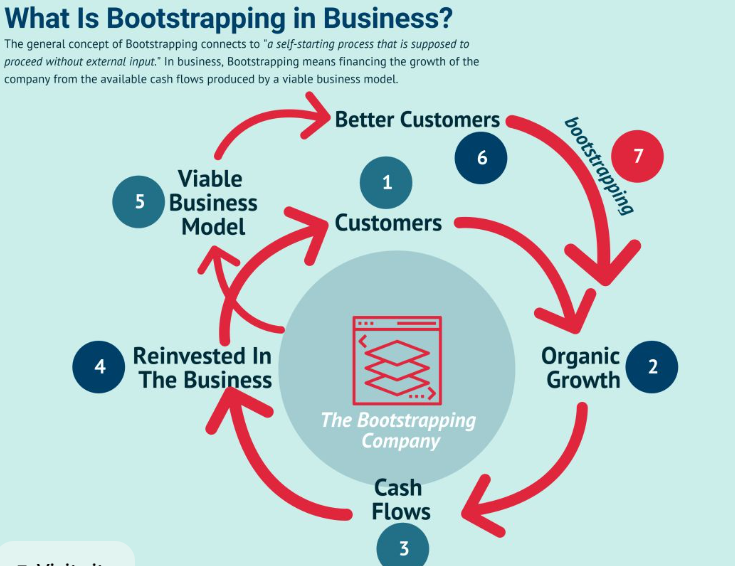
Bootstrapped marketing focuses on using resourceful, affordable, and innovative methods to promote a business without spending large amounts of money. Instead of relying on expensive advertising campaigns, bootstrapped marketing leverages creativity, community engagement, organic growth strategies, and digital tools.
In this detailed guide, we will explore the best bootstrapped marketing ideas, practical strategies, and actionable tips that can help startups grow their brand, attract customers, and build sustainable success.
What Is Bootstrapped Marketing?
Bootstrapped marketing refers to marketing strategies implemented with minimal financial investment. Instead of large marketing budgets, businesses rely on:
-
Creativity
-
Time investment
-
Digital tools
-
Community engagement
-
Organic growth strategies
Bootstrapped marketing is particularly popular among:
-
Startups
-
Freelancers
-
Small businesses
-
Entrepreneurs
-
Online creators
The goal is to maximize results while minimizing expenses.
Why Bootstrapped Marketing Is Important
Bootstrapped marketing is more than just a cost-saving strategy. It can also lead to stronger customer relationships and sustainable growth.
1. Low Financial Risk
Startups often face financial limitations. Bootstrapped marketing allows businesses to promote themselves without risking large amounts of money.
2. Encourages Creativity
Limited resources force marketers to think creatively and develop innovative promotional strategies.
3. Builds Authentic Brand Relationships
Bootstrapped strategies often rely on community engagement and word-of-mouth marketing, which helps build trust with customers.
4. Sustainable Growth
Organic marketing strategies tend to produce long-term results, unlike paid ads that stop working when the budget ends.
Best Bootstrapped Marketing Ideas
Below are some of the most effective bootstrapped marketing strategies that businesses can use to grow without spending heavily.
1. Content Marketing
Content marketing is one of the most powerful bootstrapped marketing techniques.
Businesses can create valuable content that educates, entertains, or solves problems for their audience.
Examples of content marketing include:
-
Blog posts
-
Guides and tutorials
-
Infographics
-
Videos
-
Podcasts
-
Social media posts
High-quality content helps businesses attract organic traffic and build credibility.
Benefits
-
Improves SEO rankings
-
Builds authority
-
Generates long-term traffic
-
Attracts potential customers
2. Social Media Marketing
Social media platforms allow businesses to promote their brand without spending money on advertising.
By consistently posting engaging content, businesses can build a loyal community around their brand.
Popular social media platforms include:
-
Instagram
-
LinkedIn
-
Facebook
-
Twitter
-
YouTube
-
Pinterest
Bootstrapped Social Media Ideas
-
Share behind-the-scenes content
-
Post customer testimonials
-
Share educational tips
-
Host live Q&A sessions
-
Create engaging polls and discussions
Consistency and authenticity are key to growing a social media presence.
3. Search Engine Optimization (SEO)
SEO is one of the best long-term marketing strategies for bootstrapped businesses.
By optimizing website content for search engines, businesses can attract free organic traffic from Google.
Important SEO techniques include:
-
Keyword research
-
On-page SEO optimization
-
Internal linking
-
Backlink building
-
Content optimization
SEO takes time, but once rankings improve, businesses can generate consistent traffic without paying for ads.
4. Referral Marketing
Referral marketing is a powerful growth strategy that relies on satisfied customers recommending your product or service.
People trust recommendations from friends and family more than advertisements.
Businesses can encourage referrals by offering:
-
Discounts
-
Free products
-
Loyalty rewards
-
Referral bonuses
A well-designed referral program can significantly increase customer acquisition.
5. Email Marketing
Email marketing is one of the most cost-effective marketing channels available.
Businesses can build an email list and communicate directly with their audience.
Effective email marketing strategies include:
-
Welcome email sequences
-
Product updates
-
Educational newsletters
-
Promotional offers
-
Customer success stories
Email marketing helps nurture leads and convert them into paying customers.
6. Community Building
Building a strong community around your brand can drive organic growth.
Businesses can create communities on platforms like:
-
Facebook Groups
-
Discord
-
Slack
-
LinkedIn Groups
Communities encourage interaction, discussions, and knowledge sharing.
This creates loyal customers who actively promote your brand.
7. Influencer Collaboration (Micro Influencers)
Influencer marketing does not always require large budgets.
Instead of working with celebrities, businesses can collaborate with micro influencers who have smaller but highly engaged audiences.
Micro influencers often charge lower fees or accept free products in exchange for promotion.
Benefits include:
-
Higher engagement rates
-
Targeted audiences
-
Authentic recommendations
8. Guest Blogging
Guest blogging involves writing articles for other websites in your industry.
This strategy helps businesses:
-
Reach new audiences
-
Build authority
-
Earn backlinks
-
Improve SEO rankings
Guest blogging is an effective way to gain visibility without spending money.
9. Partnerships and Collaborations
Strategic partnerships allow businesses to promote each other’s products or services.
Examples include:
-
Co-hosted webinars
-
Joint giveaways
-
Cross-promotions
-
Affiliate partnerships
Partnerships help brands reach new audiences while sharing marketing resources.
10. Product Hunt and Startup Communities
For startups launching digital products, communities can be powerful marketing channels.
Popular communities include:
-
Product Hunt
-
Indie Hackers
-
Reddit
-
Hacker News
Engaging with these communities can generate early users, feedback, and visibility.
11. Webinars and Live Events
Hosting webinars is an excellent way to educate potential customers while promoting products or services.
Webinars help businesses:
-
Demonstrate expertise
-
Build trust with audiences
-
Generate leads
-
Convert prospects into customers
Free webinars can attract hundreds of potential customers.
12. Customer Testimonials and Case Studies
Customer testimonials build trust and credibility.
Businesses can showcase:
-
Customer success stories
-
Before-and-after results
-
Detailed case studies
Social proof helps potential customers feel confident about choosing your brand.
13. Free Tools and Resources
Offering free tools or resources can attract large amounts of traffic.
Examples include:
-
Free calculators
-
Templates
-
Checklists
-
Mini courses
-
Industry reports
Free resources provide value while promoting your brand.
14. Viral Marketing Campaigns
Creative campaigns have the potential to go viral on social media.
Businesses can create:
-
Unique challenges
-
Memes
-
Creative videos
-
Interactive campaigns
Viral marketing can generate massive exposure with minimal cost.
15. Local Marketing
Local businesses can use bootstrapped strategies to reach nearby customers.
Examples include:
-
Google Business Profile optimization
-
Local partnerships
-
Community events
-
Flyers and posters
-
Local influencer collaborations
Local marketing helps businesses attract nearby customers.
Bootstrapped Marketing Tools
Many free or affordable tools help businesses implement bootstrapped marketing strategies.
Content Creation Tools
-
Canva
-
Grammarly
-
Notion
SEO Tools
-
Google Search Console
-
Ubersuggest
-
Ahrefs (limited free tools)
Email Marketing Tools
-
Mailchimp
-
ConvertKit
-
Sendinblue
Social Media Tools
-
Buffer
-
Hootsuite
These tools help streamline marketing efforts without requiring large budgets.
Bootstrapped Marketing Tips for Startups
To succeed with bootstrapped marketing, businesses should follow certain best practices.
Focus on One Channel First
Instead of spreading efforts across multiple platforms, startups should focus on one or two marketing channels.
This helps maximize results with limited resources.
Understand Your Target Audience
Knowing your audience helps create more effective marketing campaigns.
Businesses should identify:
-
Customer needs
-
Pain points
-
Preferences
-
Buying behavior
Understanding the audience improves marketing performance.
Be Consistent
Consistency is crucial for organic growth.
Businesses should regularly publish content, engage with audiences, and maintain their brand presence.
Track Performance
Marketing analytics help businesses understand what strategies work best.
Important metrics include:
-
Website traffic
-
Conversion rates
-
Customer acquisition cost
-
Engagement rates
Tracking these metrics helps improve marketing strategies.
Real Examples of Bootstrapped Marketing Success
Many successful companies started with bootstrapped marketing strategies.
Dropbox
Dropbox used a referral program to grow rapidly by rewarding users with extra storage space.
Airbnb
Airbnb used creative growth hacks and community engagement to attract early users.
HubSpot
HubSpot focused heavily on content marketing and inbound marketing, helping them become a leading marketing platform.
These examples show how powerful bootstrapped marketing strategies can be.
Common Bootstrapped Marketing Mistakes
While bootstrapped marketing can be powerful, businesses must avoid certain mistakes.
Trying Too Many Strategies
Startups often attempt multiple marketing tactics at once, which can dilute their efforts.
Ignoring SEO
Many businesses overlook SEO, even though it provides long-term traffic.
Lack of Patience
Bootstrapped marketing often takes time to show results.
Consistency and persistence are key to success.
The Future of Bootstrapped Marketing
Bootstrapped marketing continues to evolve as new technologies emerge.
Future trends include:
-
AI-powered content creation
-
Personalized marketing
-
Community-driven growth
-
Creator partnerships
These innovations will provide even more opportunities for startups to grow without large budgets.
Conclusion
Bootstrapped marketing proves that businesses do not need massive budgets to succeed. With creativity, persistence, and smart strategies, startups can build strong brands and attract loyal customers.
By focusing on strategies like content marketing, SEO, social media engagement, referral programs, partnerships, and community building, businesses can achieve significant growth while keeping costs low.
For startups and small businesses, bootstrapped marketing is not just a necessity — it is an opportunity to innovate, build authentic relationships with customers, and grow sustainably.