Table of Contents
ToggleBest Brand Storytelling Marketing: The Ultimate Guide to Building Emotional Connections with Customers
In today’s competitive digital landscape, brands need more than just advertisements to capture customer attention. Consumers are increasingly looking for authenticity, connection, and meaning when choosing the brands they support. This is why brand storytelling marketing has become one of the most powerful strategies in modern marketing.
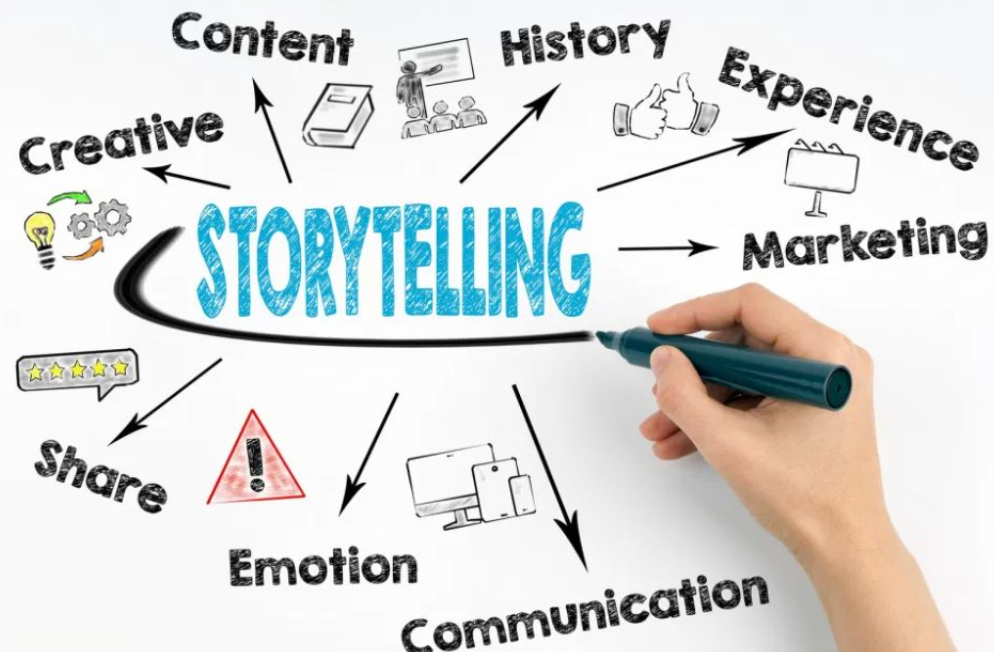
Brand storytelling marketing focuses on using narratives to communicate a brand’s mission, values, and journey in a way that resonates emotionally with customers. Instead of simply promoting products, storytelling creates memorable experiences that help customers connect with a brand on a deeper level.
Many companies use digital platforms such as Instagram, YouTube, and analytics tools like Google Analytics to share their brand stories and measure engagement.
This comprehensive guide explains brand storytelling marketing, its importance, strategies, tools, and best practices to help businesses build meaningful relationships with their audiences.
What Is Brand Storytelling Marketing?
Brand storytelling marketing is the practice of using narratives to communicate a brand’s identity, values, and mission. It focuses on telling compelling stories that connect emotionally with customers.
Rather than focusing only on product features or pricing, storytelling highlights the experiences, purpose, and people behind the brand.
Brand storytelling typically includes elements such as:
-
brand history and origin
-
founder stories
-
customer success stories
-
brand mission and values
These stories help customers understand the personality and purpose of a brand.
Importance of Brand Storytelling Marketing
Storytelling plays a critical role in modern marketing strategies.
Emotional Connection with Customers
Stories evoke emotions and create stronger relationships between brands and customers.
Increased Brand Recall
Customers are more likely to remember a story than a traditional advertisement.
Stronger Brand Identity
Storytelling helps brands communicate their values and unique personality.
Higher Customer Engagement
Compelling stories encourage audiences to interact with content and share it with others.
Analytics platforms such as Google Analytics help businesses track engagement levels and content performance.
Key Elements of a Powerful Brand Story
Successful brand storytelling includes several important elements.
Authenticity
Authenticity is essential for building trust with audiences. Stories must reflect real experiences and genuine brand values.
Customers can easily recognize when a story feels forced or artificial.
Emotional Appeal
Stories should connect with customers emotionally by addressing their aspirations, challenges, or experiences.
Emotional storytelling creates deeper brand connections.
Clear Brand Purpose
Every brand story should communicate the brand’s purpose and mission.
Customers want to know what a brand stands for and how it contributes to society.
Relatable Characters
Stories often include relatable characters such as founders, employees, or customers.
These characters help audiences connect with the brand’s narrative.
Best Brand Storytelling Marketing Strategies
Businesses can implement several strategies to use storytelling effectively in marketing.
Founder and Origin Stories
Sharing the story of how a company started helps build authenticity and credibility.
Customers appreciate learning about the passion and vision behind a brand.
These stories often highlight:
-
challenges faced by founders
-
the inspiration behind the business
-
the journey of building the brand
Origin stories help humanize brands and create emotional connections.
Customer Success Stories
Customer stories demonstrate how a product or service positively impacts people’s lives.
These stories provide social proof and build trust.
Examples include:
-
customer testimonials
-
case studies
-
user-generated content
Customer experiences often serve as powerful storytelling tools.
Video Storytelling
Video is one of the most engaging formats for storytelling.
Platforms such as YouTube allow brands to share compelling narratives through visuals and sound.
Video storytelling can include:
-
brand documentaries
-
behind-the-scenes content
-
product journeys
Video content increases audience engagement and emotional impact.
Social Media Storytelling
Social media platforms provide powerful opportunities for sharing brand stories.
Popular storytelling platforms include:
-
Instagram
-
Facebook
-
LinkedIn
Brands can use posts, reels, and stories to share daily updates, brand experiences, and community involvement.
Content Marketing Storytelling
Content marketing is another effective way to share brand stories.
Brands can publish storytelling content through:
-
blog articles
-
podcasts
-
newsletters
-
infographics
Story-driven content educates audiences while promoting brand values.
Purpose-Driven Brand Campaigns
Modern consumers often support brands that stand for meaningful causes.
Purpose-driven campaigns focus on social responsibility, sustainability, or community support.
These campaigns show how a brand contributes to society beyond selling products.
Best Tools for Brand Storytelling Marketing
Several digital tools help businesses create and manage storytelling campaigns.
Analytics Tools
Google Analytics helps marketers track content engagement and audience behavior.
Data insights help businesses refine storytelling strategies.
Marketing Automation Platforms
Automation platforms like HubSpot help businesses distribute storytelling content across multiple channels.
Social Media Management Tools
Tools such as Hootsuite help brands schedule and manage storytelling posts on social media platforms.
Content Management Systems
Content management systems allow businesses to publish and manage storytelling content on websites and blogs.
These systems make it easier to organize and update digital content.
Measuring the Success of Brand Storytelling
To evaluate storytelling effectiveness, businesses should track several performance metrics.
Important metrics include:
-
audience engagement
-
content shares
-
brand mentions
-
website traffic
-
customer feedback
Analytics platforms such as Google Analytics provide valuable insights into storytelling performance.
Common Brand Storytelling Mistakes
Many brands struggle with storytelling because of common mistakes.
Lack of Authenticity
Stories that feel artificial or overly promotional may fail to resonate with audiences.
Overly Complex Narratives
Simple and clear stories are often more effective than complicated narratives.
Ignoring Audience Needs
Stories should focus on customer experiences rather than only promoting products.
Inconsistent Messaging
Brand stories must remain consistent across all marketing channels.
Avoiding these mistakes helps create more impactful storytelling campaigns.
Future Trends in Brand Storytelling Marketing
Brand storytelling continues to evolve with new technologies and marketing innovations.
Interactive Storytelling
Interactive content such as quizzes and immersive experiences allows audiences to participate in brand stories.
Short-Form Video Content
Short videos on social media platforms are becoming increasingly popular for storytelling.
AI-Powered Content Personalization
Artificial intelligence helps brands create personalized storytelling experiences for different audience segments.
Community-Based Storytelling
Brands increasingly highlight stories from customers and communities rather than focusing only on company narratives.
These trends will shape the future of storytelling marketing.
Best Practices for Successful Brand Storytelling
To create effective storytelling campaigns, businesses should follow these best practices:
-
focus on authentic and meaningful stories
-
understand audience values and interests
-
use multiple storytelling formats such as videos and blogs
-
maintain consistent messaging across channels
-
track storytelling performance and improve strategies
These practices help brands build stronger emotional connections with customers.
Conclusion
Brand storytelling marketing has become an essential strategy for building meaningful connections with customers. By sharing authentic stories about brand values, customer experiences, and company journeys, businesses can create emotional relationships that strengthen brand loyalty.
Digital platforms such as Instagram, YouTube, and analytics tools like Google Analytics enable brands to share compelling narratives and measure audience engagement.
In a world where customers seek authenticity and connection, storytelling allows brands to stand out, inspire audiences, and build long-lasting relationships.