Table of Contents
ToggleBest Customer Journey Automation Strategies: The Complete Guide to Smarter Marketing in 2025
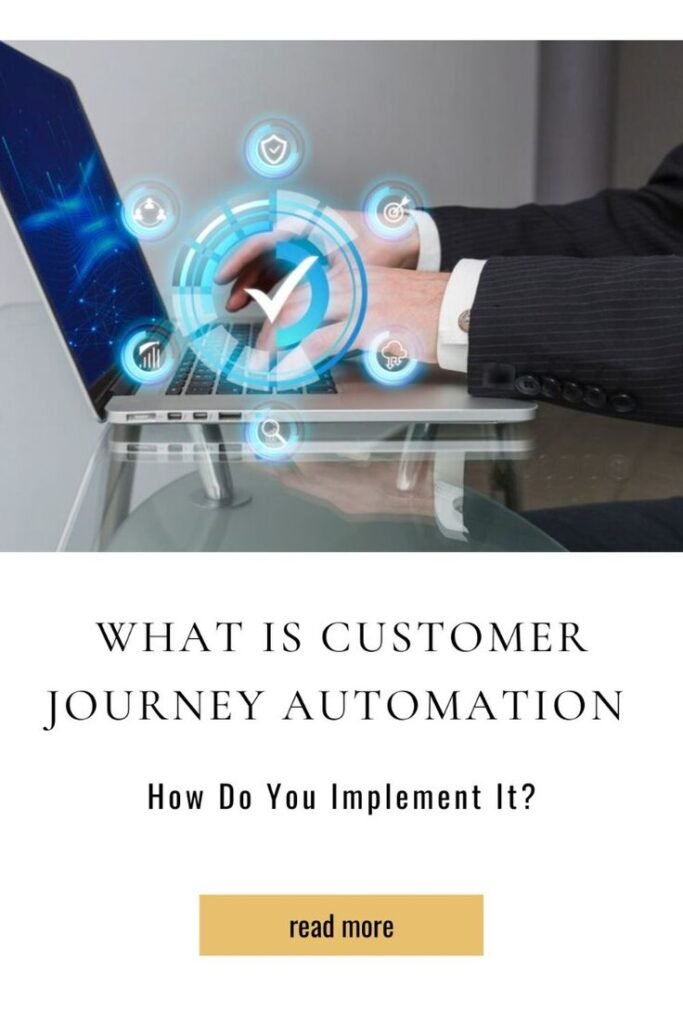
In today’s competitive digital landscape, customers no longer follow a straight path to purchase. They interact with brands across multiple channels—websites, social media, email, ads, WhatsApp, and offline touchpoints—before making a decision. Managing these interactions manually is nearly impossible. This is where customer journey automation becomes a game-changer.
Customer journey automation allows businesses to deliver the right message, to the right person, at the right time, across every stage of the buyer’s journey—automatically. In this comprehensive guide, we’ll explore what customer journey automation is, why it matters, the best strategies, tools, use cases, benefits, challenges, and future trends shaping marketing success in 2025.
What Is Customer Journey Automation?
Customer journey automation is the use of technology, data, and automation tools to manage and personalize customer interactions across the entire lifecycle—from first touchpoint to post-purchase loyalty—without manual intervention.
It combines:
-
Marketing automation
-
Customer data platforms (CDPs)
-
CRM systems
-
AI and predictive analytics
The goal is to create seamless, personalized, and consistent experiences across all channels.
Why Customer Journey Automation Is Essential in 2025
Modern customers expect instant responses, personalization, and consistency. Businesses that fail to meet these expectations risk losing customers to competitors.
Key Reasons It Matters:
-
Customers interact across multiple channels
-
Manual marketing doesn’t scale
-
Personalization drives higher conversions
-
Automation improves efficiency and ROI
-
Data-driven journeys outperform generic campaigns
Studies show that businesses using customer journey automation see higher engagement, better retention, and increased lifetime value.
Understanding the Customer Journey
Before automating, it’s important to understand the typical customer journey stages.
Key Stages of the Customer Journey:
-
Awareness – Customer discovers your brand
-
Consideration – Customer evaluates options
-
Decision – Customer makes a purchase
-
Onboarding – Customer starts using your product or service
-
Retention – Customer continues engagement
-
Advocacy – Customer becomes a brand promoter
Customer journey automation ensures that every stage is supported with relevant communication.
How Customer Journey Automation Works
Customer journey automation relies on triggers, data, and workflows.
Core Components:
-
Triggers: User actions (website visits, form fills, purchases)
-
Conditions: Rules based on behavior or data
-
Actions: Emails, messages, ads, notifications
-
Channels: Email, SMS, WhatsApp, push, ads, CRM
-
Analytics: Performance tracking and optimization
Example:
A user downloads an eBook → receives a welcome email → enters a nurturing sequence → gets a demo invite → receives a follow-up → becomes a customer → enters retention workflow.
Best Customer Journey Automation Strategies
1. Automated Lead Nurturing Journeys
Not all leads are ready to buy immediately. Automated lead nurturing builds trust over time.
Best Practices:
-
Segment leads by interest and behavior
-
Use educational content
-
Gradually introduce sales messaging
-
Trigger based on engagement
Channels: Email, WhatsApp, remarketing ads
2. Behavior-Based Automation
Behavior-based automation responds to what users actually do.
Common Triggers:
-
Website page visits
-
Cart abandonment
-
Email opens or clicks
-
Product views
This strategy increases relevance and conversion rates significantly.
3. Omnichannel Journey Automation
Customers move between channels—automation ensures continuity.
Omnichannel Touchpoints:
-
Website
-
Email
-
Social media
-
WhatsApp & SMS
-
Paid ads
-
Offline touchpoints
Consistent messaging across channels builds trust and improves customer experience.
4. Personalized Customer Journeys
Personalization is at the heart of automation.
Personalization Data:
-
Name and demographics
-
Location
-
Purchase history
-
Browsing behavior
-
Engagement level
AI-powered personalization improves engagement and customer satisfaction.
5. Automated Onboarding Journeys
The onboarding stage is critical for long-term success.
Onboarding Automation Includes:
-
Welcome emails
-
How-to guides
-
Video tutorials
-
Setup reminders
-
Product tips
Effective onboarding reduces churn and improves product adoption.
6. Customer Retention Automation
Acquiring new customers is expensive—retention automation protects revenue.
Retention Strategies:
-
Loyalty programs
-
Re-engagement campaigns
-
Usage reminders
-
Personalized offers
Retention-focused journeys increase lifetime value (LTV).
7. Cart Abandonment & Conversion Automation
One of the most effective automation use cases.
Cart Abandonment Workflow:
-
Reminder email or WhatsApp message
-
Limited-time discount
-
Social proof
-
Follow-up message
This automation alone can recover a significant percentage of lost revenue.
8. AI-Powered Predictive Journey Automation
AI helps predict customer behavior and trigger proactive journeys.
Use Cases:
-
Predicting churn
-
Identifying high-value customers
-
Recommending next-best action
-
Dynamic journey optimization
Predictive automation allows marketers to act before problems occur.
Best Tools for Customer Journey Automation
HubSpot
-
Visual journey builders
-
CRM integration
-
AI-powered personalization
Salesforce Marketing Cloud
-
Enterprise-grade automation
-
Cross-channel orchestration
-
Advanced analytics
ActiveCampaign
-
Behavior-based workflows
-
Email + CRM automation
Marketo
-
B2B journey orchestration
-
Lead scoring and nurturing
Zoho Marketing Automation
-
Cost-effective automation
-
Multi-channel journeys
Customer Journey Automation for Small Businesses
Automation is no longer just for enterprises.
Benefits for Small Businesses:
-
Saves time and manpower
-
Scales marketing without extra staff
-
Improves lead conversion
-
Enhances customer experience
Best Use Cases:
-
Email welcome series
-
Appointment reminders
-
Local offers
-
Customer follow-ups
Customer Journey Automation for B2B Businesses
B2B journeys are longer and more complex.
B2B Automation Strategies:
-
Account-based journeys
-
Lead scoring and qualification
-
Sales and marketing alignment
-
Multi-touch nurturing
Automation ensures no lead is neglected.
Benefits of Customer Journey Automation
-
Improved customer experience
-
Higher engagement and conversions
-
Better lead nurturing
-
Increased customer retention
-
Data-driven decision-making
-
Consistent brand communication
Common Challenges in Customer Journey Automation
-
Poor data quality
-
Over-automation
-
Complex tool integration
-
Lack of strategy
-
Privacy and compliance concerns
These challenges can be addressed with planning, testing, and ethical data usage.
Best Practices for Customer Journey Automation
-
Map journeys before automating
-
Start simple and scale gradually
-
Use clean and accurate data
-
Balance automation with human touch
-
Continuously test and optimize
Measuring Customer Journey Automation Success
Key Metrics:
-
Conversion rate
-
Engagement rate
-
Customer lifetime value (CLV)
-
Churn rate
-
Time to conversion
-
ROI
Analytics help refine and improve journeys continuously.
Customer Journey Automation vs Traditional Marketing
| Aspect | Traditional Marketing | Journey Automation |
|---|---|---|
| Personalization | Limited | High |
| Scalability | Low | High |
| Efficiency | Manual | Automated |
| Customer Experience | Inconsistent | Seamless |
Future Trends in Customer Journey Automation
1. AI-Driven Hyper-Personalization
2. Real-Time Journey Orchestration
3. Cookieless & Privacy-First Automation
4. Deeper CRM & CDP Integration
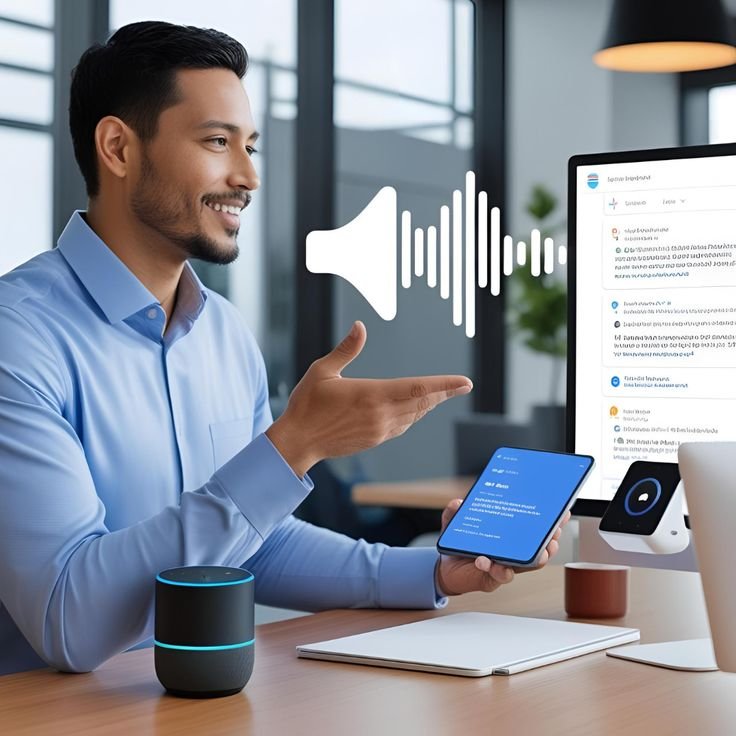
5. Voice and Conversational Journeys
Conclusion
Customer journey automation is no longer a luxury—it’s a necessity. In 2025, businesses that succeed will be those that understand their customers deeply and deliver personalized experiences at scale. By implementing the best customer journey automation strategies, brands can increase conversions, improve retention, and build long-term customer relationships.