Table of Contents
ToggleThe Ultimate Guide to Customer Lifetime Value Optimization (2026 Edition)
In today’s competitive digital marketplace, businesses no longer win by simply acquiring customers. They win by maximizing the value of every customer relationship. That’s where Customer Lifetime Value (CLV) optimization becomes a growth superpower.
Companies like Amazon, Netflix, Apple, and Starbucks don’t just focus on sales — they focus on long-term customer relationships that generate recurring revenue, loyalty, and advocacy.
In this 3000-word in-depth guide, you’ll learn:
-
What Customer Lifetime Value (CLV) really means
-
Why CLV matters more than customer acquisition
-
How to calculate CLV accurately
-
Proven strategies to optimize CLV
-
Tools, automation, and AI techniques
-
Advanced frameworks used by leading brands
Let’s dive deep.
1. What is Customer Lifetime Value (CLV)?
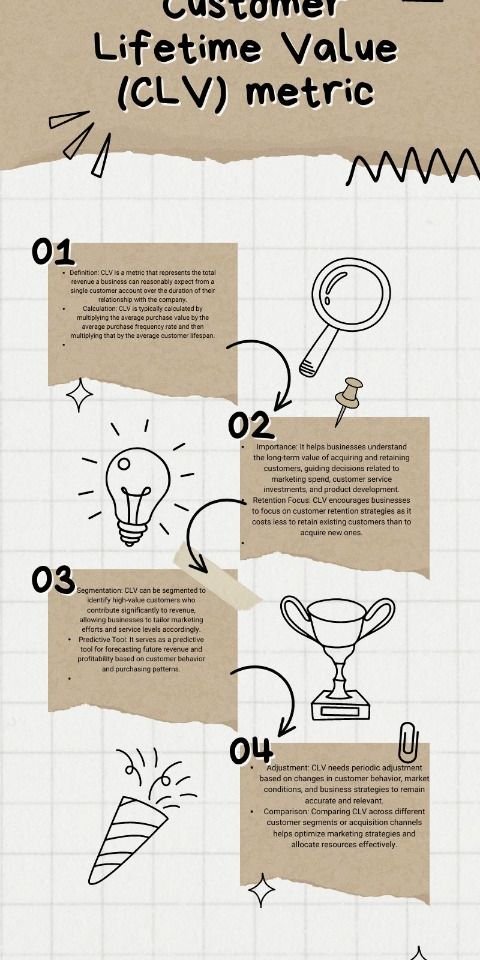
Customer Lifetime Value (CLV) is the total revenue a business expects to earn from a customer throughout their entire relationship with the brand.
In simple words:
CLV = How much money one customer brings to your business before they stop buying.
Basic CLV Formula
CLV=AveragePurchaseValue×PurchaseFrequency×CustomerLifespanCLV = Average Purchase Value × Purchase Frequency × Customer LifespanCLV=AveragePurchaseValue×PurchaseFrequency×CustomerLifespan
For example:
-
Average purchase = ₹2,000
-
Purchases per year = 4
-
Customer lifespan = 3 years
CLV = 2,000 × 4 × 3 = ₹24,000
If you acquire that customer for ₹3,000, you’re highly profitable.
2. Why Customer Lifetime Value Matters More Than Customer Acquisition
Many businesses focus too much on customer acquisition cost (CAC). But here’s the truth:
-
Acquiring a new customer costs 5–7x more than retaining one.
-
Increasing retention by just 5% can increase profits by 25–95%.
Brands like Netflix thrive because they optimize retention, not just subscriptions.
Key Benefits of CLV Optimization
-
Higher profitability
-
Better marketing ROI
-
Improved retention rates
-
Smarter ad budget allocation
-
Stronger brand loyalty
If you know your CLV, you know:
-
How much you can afford to spend on ads
-
Which customers deserve premium treatment
-
Which marketing channels deliver high-value buyers
3. Types of Customer Lifetime Value
1. Historical CLV
Based on past data and actual purchases.
2. Predictive CLV
Uses AI and analytics to forecast future customer value.
Companies like Amazon use predictive models to suggest products and increase repeat purchases.
4. How to Calculate Advanced CLV
Advanced CLV Formula
CLV=AverageOrderValue×PurchaseFrequency×GrossMarginChurnRateCLV = \frac{Average Order Value × Purchase Frequency × Gross Margin}{Churn Rate}CLV=ChurnRateAverageOrderValue×PurchaseFrequency×GrossMargin
Let’s break it down:
-
Average Order Value (AOV)
-
Purchase Frequency
-
Gross Margin
-
Churn Rate
If churn is high, CLV decreases. That’s why retention matters.
5. Core Pillars of Customer Lifetime Value Optimization
Pillar 1: Improve Customer Retention
Retention is the foundation of CLV.
Strategies:
-
Email nurturing sequences
-
Loyalty programs
-
Personalized offers
-
Subscription models
Example: Starbucks Rewards Program increases repeat purchases through points and personalization.
Pillar 2: Increase Average Order Value (AOV)
If customers spend more per transaction, CLV grows.
Tactics:
-
Upselling
-
Cross-selling
-
Product bundling
-
Free shipping thresholds
Example: Apple increases AOV by recommending accessories with every device purchase.
Pillar 3: Increase Purchase Frequency
Encourage customers to buy more often.
Strategies:
-
Subscription offers
-
Replenishment reminders
-
Limited-time offers
-
Membership perks
Example: Amazon Prime increases purchase frequency dramatically.
Pillar 4: Reduce Churn Rate
Churn kills CLV.
To reduce churn:
-
Monitor customer engagement
-
Use feedback surveys
-
Offer proactive support
-
Re-engagement campaigns
Example: Netflix reduces churn by constantly recommending personalized content.
6. Segmentation for CLV Optimization
Not all customers are equal.
Segment based on:
-
High-value customers
-
Medium-value customers
-
Low-value customers
-
At-risk customers
RFM Model (Recency, Frequency, Monetary)
This helps identify:
-
VIP customers
-
Loyal customers
-
Dormant customers
High-value customers should get:
-
Early access
-
VIP rewards
-
Dedicated support
7. Personalization & AI in CLV Optimization
AI helps predict customer behavior and increase retention.
AI Applications:
-
Predictive product recommendations
-
Automated email personalization
-
Dynamic pricing
-
Churn prediction
Companies like Amazon and Netflix rely heavily on AI for retention growth.
8. Email Marketing for CLV Growth
Email remains one of the most powerful retention channels.
High-Impact Email Flows:
-
Welcome series
-
Abandoned cart emails
-
Post-purchase emails
-
Replenishment reminders
-
Win-back campaigns
Automated nurturing increases repeat purchases.
9. Loyalty & Rewards Programs
Loyalty programs significantly boost CLV.
Types:
-
Points-based
-
Tier-based
-
Cashback programs
-
Referral rewards
Example: Starbucks uses gamification and app-based rewards to increase frequency.
10. Subscription & Membership Models
Subscription models increase predictable CLV.
Examples:
-
Netflix
-
Amazon Prime
-
SaaS platforms
Benefits:
-
Recurring revenue
-
Higher retention
-
Lower churn
11. Customer Experience (CX) & CLV
Customer experience directly impacts lifetime value.
Focus on:
-
Fast website speed
-
Easy checkout
-
Strong support
-
Seamless mobile experience
Brands like Apple invest heavily in customer experience to justify premium pricing.
12. Data & Analytics for CLV Optimization
Track:
-
Customer Acquisition Cost (CAC)
-
CLV/CAC Ratio
-
Retention Rate
-
Churn Rate
-
Repeat Purchase Rate
Ideal CLV:CAC ratio = 3:1 or higher.
13. Advanced CLV Optimization Strategies
1. Behavioral Triggers
Trigger emails based on browsing behavior.
2. Predictive Upselling
Use AI to suggest next logical purchases.
3. Community Building
Build brand communities to increase emotional loyalty.
4. Omnichannel Engagement
Integrate email, SMS, WhatsApp, and social media.
14. Common Mistakes in CLV Optimization
-
Ignoring retention
-
Over-discounting
-
Poor onboarding
-
Not segmenting customers
-
Ignoring churn signals
15. Future of Customer Lifetime Value (2026 & Beyond)
The future includes:
-
AI-powered predictive analytics
-
Hyper-personalization
-
Zero-party data strategies
-
Real-time engagement
Companies that focus on relationship economics will dominate.
Final Thoughts
Customer Lifetime Value optimization is not a marketing tactic. It’s a business growth strategy.
When you:
-
Retain customers longer
-
Increase average order value
-
Reduce churn
-
Personalize experiences
-
Build loyalty programs
You create a compounding revenue engine.
Remember:
Acquisition gets customers.
Retention builds wealth.
Start measuring CLV today. Optimize it monthly. And build a business that grows stronger with every customer relationship.