Table of Contents
ToggleThe Best Featured Snippets Strategy: The Ultimate 3000-Word Guide to Winning Position Zero
In the world of SEO, ranking on page one is no longer enough. The real prize is Position Zero — the Featured Snippet.
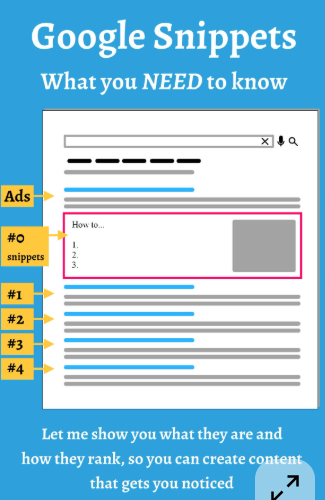
Featured snippets appear at the very top of search results, above traditional organic listings. They provide direct, concise answers to user queries and dramatically increase visibility, authority, and click-through rates.
Search engines like Google introduced featured snippets to improve user experience by delivering instant answers. For businesses and marketers, this presents a powerful opportunity.
In this comprehensive 3000-word guide, you’ll learn:
-
What featured snippets are
-
Types of featured snippets
-
Why they matter for SEO
-
How to optimize content for Position Zero
-
Technical strategies
-
Common mistakes
-
Real-world examples
-
A step-by-step implementation blueprint
Let’s dive in.
1. What Are Featured Snippets?
A featured snippet is a selected search result that appears in a special box at the top of the SERP (Search Engine Results Page). It provides a direct answer to a user’s question.
It typically includes:
-
A summary paragraph
-
A list or steps
-
A table
-
A video snippet
-
A link to the source page
Featured snippets are designed to answer informational queries quickly.
Example queries:
-
“What is SEO?”
-
“How to lose weight?”
-
“Best email marketing tools”
When your content is selected, you gain:
-
Massive visibility
-
Higher authority
-
Increased traffic
-
Brand recognition
2. Why Featured Snippets Matter
1. Position Zero Advantage
You appear above traditional #1 rankings.
2. Higher Click-Through Rates (CTR)
Even if you’re ranked #3, a snippet can outperform #1 organic results.
3. Voice Search Dominance
Virtual assistants often read featured snippets aloud.
4. Authority & Trust
Being selected signals expertise.
Companies like HubSpot and Moz consistently capture snippets through structured content strategies.
3. Types of Featured Snippets
Understanding snippet types is essential.
1. Paragraph Snippets
Most common format.
Example:
“What is digital marketing?”
Google extracts 40–60 word definitions.
2. List Snippets
Ordered or unordered lists.
Example:
“How to start a blog”
Often shown as:
-
Choose niche
-
Buy domain
-
Install WordPress
3. Table Snippets
Used for comparisons, pricing, statistics.
4. Video Snippets
Pulled from platforms like YouTube.
5. FAQ Snippets
Direct question-and-answer format.
Optimizing for different formats increases chances of ranking.
4. How Google Chooses Featured Snippets
Google selects snippets based on:
-
Clear answer structure
-
Concise content
-
High domain authority
-
Relevance to search intent
-
Proper formatting
-
Page ranking in top 10
Important:
You usually need to rank on page one before getting a snippet.
5. Step-by-Step Strategy to Win Featured Snippets
Step 1: Identify Snippet Opportunities
Search your target keyword.
If a snippet appears:
-
That keyword is snippet-triggered.
-
You can compete for it.
Use queries starting with:
-
What
-
Why
-
How
-
Best
-
Top
-
Vs
-
Benefits
These often trigger snippets.
Step 2: Analyze Existing Snippets
Study:
-
Word count
-
Structure
-
Format
-
Keyword usage
If it’s a paragraph snippet:
-
Aim for 40–60 words
-
Provide clear definition
If it’s a list:
-
Use numbered steps
If it’s a table:
-
Create structured comparison tables
Step 3: Provide Direct Answers
Use this format:
What Is X?
Immediately below, write:
“X is a … (clear 40–50 word answer).”
Then expand with detailed explanation.
This helps Google extract the summary easily.
Step 4: Optimize for Search Intent
Match user intent:
-
Informational
-
Navigational
-
Commercial
-
Transactional
Featured snippets mostly appear for informational queries.
Understanding intent increases your chances.
Step 5: Use Structured Formatting
Formatting is critical.
Use:
-
H2 and H3 headings
-
Bullet points
-
Numbered lists
-
Tables
-
Short paragraphs
Avoid large text blocks.
6. Content Structure for Snippet Optimization
Here’s a winning structure:
-
Clear question heading
-
Direct answer (40–60 words)
-
Supporting explanation
-
Bullet list or steps
-
Visual elements (optional)
Structured content improves snippet eligibility.
7. Technical SEO for Featured Snippets
1. Use Schema Markup
Implement:
-
FAQ schema
-
How-to schema
-
Article schema
Structured data improves visibility.
2. Improve Page Speed
Faster pages perform better.
3. Mobile Optimization
Most snippet searches occur on mobile.
4. Internal Linking
Link to snippet-optimized pages from relevant articles.
8. Keyword Research for Featured Snippets
Focus on:
-
Question-based keywords
-
Long-tail keywords
-
Comparison keywords
-
Definition-based queries
Example:
“Enterprise SEO vs Traditional SEO”
These queries often trigger paragraph or table snippets.
9. Optimizing for List Snippets
If Google shows a list snippet:
-
Create 8–12 step lists
-
Use clear numbering
-
Keep steps concise
-
Add subheadings
Example:
How to Optimize for Featured Snippets
-
Identify question keywords
-
Analyze competitors
-
Write concise answer
-
Structure content
-
Add schema markup
Google often pulls these lists directly.
10. Optimizing for Table Snippets
Best for:
-
Pricing comparisons
-
Feature breakdowns
-
Statistics
-
Product comparisons
Ensure:
-
Clean HTML tables
-
Clear headings
-
Accurate data
Tables improve snippet chances significantly.
11. Content Length and Featured Snippets
Long-form content (1500–3000 words) often performs better because:
-
It covers topics deeply
-
It includes multiple snippet opportunities
-
It builds topical authority
Brands like HubSpot dominate snippets with long, structured content.
12. Featured Snippets and Voice Search
Voice assistants often read featured snippets.
Optimizing for:
-
Conversational keywords
-
Natural language
-
FAQ format
Increases voice search visibility.
13. Common Mistakes to Avoid
-
Writing vague answers
-
Ignoring formatting
-
Not ranking on page one
-
Overstuffing keywords
-
Missing structured headings
Avoid these errors to maximize snippet success.
14. Tracking Featured Snippet Performance
Monitor:
-
Keyword rankings
-
SERP features
-
CTR changes
-
Traffic spikes
When you win a snippet, CTR usually increases significantly.
15. How to Steal Competitor Snippets
If a competitor owns the snippet:
-
Improve clarity
-
Provide better structure
-
Add updated data
-
Use cleaner formatting
-
Expand content depth
Google often rotates snippets.
16. Real-World Example Strategy
Companies like Moz create:
-
Clear definitions
-
Structured tutorials
This helps them secure snippet placements consistently.
17. Advanced Featured Snippet Tactics
1. Answer Multiple Questions in One Article
Each heading can target a separate snippet.
2. Use Data & Statistics
Numbers improve credibility.
3. Add “People Also Ask” Questions
Answer related questions in your article.
4. Update Content Regularly
Fresh content maintains snippet position.
18. Snippet Optimization Checklist
✔ Target question keywords
✔ Provide concise answers
✔ Use H2/H3 headings
✔ Add lists and tables
✔ Implement schema markup
✔ Optimize for mobile
✔ Improve page speed
✔ Build internal links
✔ Update content regularly
19. Future of Featured Snippets
With AI-powered search and generative results evolving, snippet optimization will become even more competitive.
Search engines like Google continue refining search experience.
Winning featured snippets requires:
-
Authority
-
Structure
-
Intent alignment
-
Continuous optimization
Conclusion
Featured snippets are one of the most powerful SEO opportunities available today.
To win Position Zero:
-
Identify snippet-triggering keywords
-
Structure content strategically
-
Provide concise, direct answers
-
Optimize technically
-
Monitor and improve consistently
If you apply these strategies consistently, you can increase visibility, authority, and traffic significantly.