Table of Contents
ToggleBest Go-To-Market Strategy Online: The Complete 3000-Word Guide to Launching and Scaling Successfully
Launching a product online is easier than ever. Winning attention, trust, and sales in a crowded digital market? That’s the real challenge.
A strong Go-To-Market (GTM) strategy ensures your product doesn’t just launch — it gains traction, generates demand, and builds sustainable growth.
In this complete guide, you’ll learn the best online go-to-market strategy, including positioning, audience targeting, channel selection, messaging, launch execution, and scaling frameworks.
What Is a Go-To-Market Strategy?
A Go-To-Market (GTM) strategy is a step-by-step plan that defines:
-
Who your target audience is
-
What problem you solve
-
How you position your product
-
Which channels you use to reach customers
-
How you convert prospects into buyers
It aligns product, marketing, sales, and customer experience into one cohesive launch plan.
Why an Online GTM Strategy Matters
In digital markets:
-
Competition is global
-
Customers compare instantly
-
Attention spans are short
-
Switching costs are low
Without a strong GTM plan:
-
Ads waste money
-
Messaging becomes unclear
-
Conversions drop
-
Customer acquisition cost increases
A structured GTM strategy reduces risk and increases launch success.
The 8 Pillars of the Best Online Go-To-Market Strategy
-
Market Research & Validation
-
Clear Target Audience Definition
-
Strong Positioning & Messaging
-
Offer Design & Pricing Strategy
-
Channel Selection
-
Funnel & Conversion Planning
-
Launch Campaign Execution
-
Optimization & Scaling
Let’s break each down in detail.
1. Market Research & Validation
Before building hype, validate demand.
Research:
-
Market size
-
Customer pain points
-
Competitor offerings
-
Pricing models
-
Online search demand
Use:
-
Google search trends
-
Social media discussions
-
Review analysis
-
Surveys
-
Beta testing
Validate Before Scaling
You can:
-
Pre-sell
-
Run landing page tests
-
Offer early access
-
Collect email signups
Validation prevents expensive launch failures.
2. Define Your Ideal Customer Profile (ICP)
Clarity beats guesswork.
Define:
-
Age
-
Location
-
Income
-
Profession
-
Interests
-
Buying motivations
-
Pain points
-
Objections
Create Customer Personas
Example:
-
Budget-conscious buyers
-
Premium-focused buyers
-
Enterprise decision-makers
Different segments require different messaging.
3. Craft Powerful Positioning
Your positioning answers:
Why should someone choose you over competitors?
Study how brands like Apple focus on simplicity and innovation, while Tesla emphasizes sustainability and technology leadership.
Your positioning must define:
-
Category
-
Differentiator
-
Benefit
-
Emotional impact
Positioning Formula:
“For [target audience] who struggle with [problem], our product is the only [category] that delivers [unique benefit] unlike [competitors].”
Clear positioning simplifies marketing.
4. Offer Design & Pricing Strategy
Even strong products fail with weak offers.
Create Irresistible Offers:
-
Bonuses
-
Guarantees
-
Limited-time discounts
-
Bundles
-
Free trials
Pricing Models:
-
One-time payment
-
Subscription
-
Freemium
-
Tiered pricing
-
High-ticket premium
Test pricing carefully. Perceived value matters more than cost alone.
5. Choose the Right Online Channels
Not every channel fits every product.
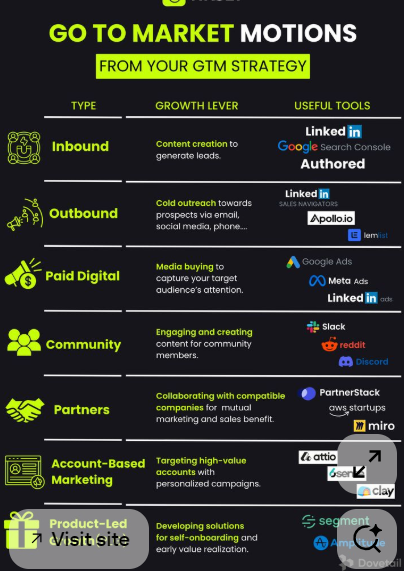
A. Paid Acquisition
-
Google Ads
-
Social media ads via Meta Platforms
-
YouTube ads
-
Native ads
Paid ads provide immediate visibility.
B. Organic Channels
-
SEO
-
Blogging
-
Social media content
-
YouTube videos
-
Podcast appearances
Organic channels build long-term authority.
C. Partnerships & Influencers
Collaborate on:
-
Affiliate programs
-
Joint webinars
-
Influencer promotions
-
Strategic brand partnerships
Partnerships accelerate trust-building.
6. Build a Conversion-Focused Funnel
Traffic without conversion is waste.
Basic Online Funnel:
-
Traffic Source
-
Landing Page
-
Lead Capture
-
Nurture Sequence
-
Sales Page
-
Checkout
-
Upsell
-
Follow-up
Every stage must be optimized.
Landing Page Essentials:
-
Clear headline
-
Pain point focus
-
Strong benefits
-
Social proof
-
Clear call-to-action
7. Pre-Launch Strategy
Successful online launches build anticipation.
Pre-Launch Steps:
-
Teaser content
-
Waitlist creation
-
Early bird offers
-
Beta user testimonials
-
Social proof buildup
Build excitement before launch day.
8. Launch Strategy Framework
Launch Week Plan:
Day 1:
Email announcement + Paid ads live
Day 2:
Influencer collaborations
Day 3:
Webinar or live demo
Day 4:
Retargeting ads
Day 5:
FAQ content + testimonials
Day 6:
Scarcity reminder
Day 7:
Final call email
Multi-channel visibility increases momentum.
9. Content Marketing Integration
Content supports every stage of GTM.
Create:
-
Educational blog posts
-
Problem-solving videos
-
Case studies
-
Comparison articles
-
Social proof content
Content builds authority and improves conversion rates.
10. Email Marketing for Launch Success
Email remains high-converting.
Use sequences:
-
Welcome sequence
-
Launch countdown
-
Objection-handling emails
-
Cart abandonment reminders
-
Post-purchase onboarding
Personalized emails increase ROI.
11. Retargeting Strategy
Most customers don’t buy immediately.
Use retargeting ads to:
-
Show testimonials
-
Offer bonuses
-
Address objections
-
Provide urgency
Retargeting improves overall conversion rates significantly.
12. Sales & Customer Support Alignment
Ensure:
-
Fast response times
-
Clear FAQs
-
Chat support
-
Onboarding assistance
A smooth experience increases trust.
13. Performance Tracking Metrics
Track:
-
Cost per acquisition (CPA)
-
Conversion rate
-
Return on ad spend (ROAS)
-
Customer lifetime value (CLV)
Data-driven decisions improve results.
14. Optimize After Launch
Launch is not the end.
Post-launch optimization includes:
-
Improving ad creatives
-
A/B testing headlines
-
Refining targeting
-
Enhancing landing pages
-
Updating email sequences
Continuous improvement ensures long-term growth.
15. Scaling Strategy
Once profitable:
-
Increase ad budgets
-
Expand into new markets
-
Introduce new product tiers
-
Add complementary offers
-
Launch referral programs
Scale only when unit economics are positive.
16. B2B vs B2C GTM Differences
B2B:
-
Longer sales cycle
-
LinkedIn marketing
-
Webinars
-
Direct outreach
B2C:
-
Emotional storytelling
-
Social proof
-
Influencer marketing
-
Faster checkout flow
Adjust your GTM plan accordingly.
17. Building Authority Before Launch
Authority reduces friction.
Strategies:
-
Publish thought leadership content
-
Appear on podcasts
-
Create research reports
-
Share success stories
Trust accelerates adoption.
18. Common Go-To-Market Mistakes
-
Skipping validation
-
Poor positioning
-
Weak offer
-
Too many channels at once
-
Ignoring retargeting
-
No data tracking
-
Scaling too early
Avoiding these mistakes increases success probability.
19. Step-by-Step 90-Day GTM Roadmap
Month 1:
-
Research & validation
-
Define ICP
-
Develop positioning
-
Build landing page
Month 2:
-
Create content
-
Set up email sequences
-
Prepare ads
-
Build partnerships
Month 3:
-
Launch campaign
-
Monitor metrics
-
Optimize funnels
-
Gather testimonials
This structured timeline reduces chaos.
20. The Psychology of a Successful Launch
Online buyers respond to:
-
Social proof
-
Scarcity
-
Urgency
-
Authority
-
Simplicity
-
Clear benefits
Integrate psychological triggers ethically into your GTM strategy.
Final Thoughts
The best online go-to-market strategy combines:
-
Deep research
-
Clear positioning
-
Strong offers
-
Multi-channel promotion
-
Conversion-focused funnels
-
Data-driven optimization
It’s not about launching fast.
It’s about launching smart.
When product, marketing, and customer experience align, your launch becomes momentum-driven rather than stressful.
Build anticipation.
Deliver value.
Track results.
Optimize consistently.
That’s how you turn an online launch into a scalable growth engine.