Table of Contents
ToggleBest Influencer Marketing Trends: A Complete Guide for 2025 and Beyond
Introduction: The Evolution of Influencer Marketing
Influencer marketing has evolved from simple celebrity endorsements into one of the most powerful and ROI-driven marketing channels in the digital ecosystem. What once relied on follower counts and brand shoutouts has transformed into a data-driven, community-led, and authenticity-focused strategy.
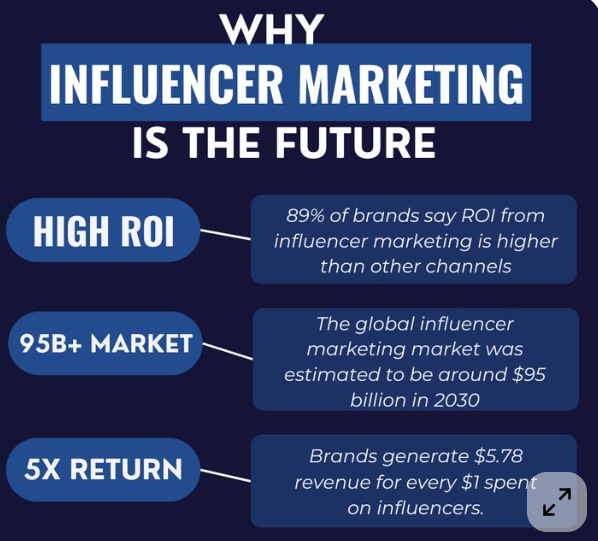
In 2025, influencer marketing is no longer optional. Consumers trust people more than brands, and influencers bridge that trust gap by creating relatable, engaging, and authentic content.
However, influencer marketing is changing rapidly. Algorithms, audience behavior, content formats, and platform priorities are constantly evolving. Brands that fail to keep up with these trends risk wasting budgets and losing relevance.
This blog explores the best influencer marketing trends shaping the future, explains why they matter, and shows how brands can use them effectively to drive growth, trust, and conversions.
Understanding Influencer Marketing Today
Influencer marketing involves collaborating with individuals who have credibility, authority, or influence over a specific audience to promote products, services, or ideas.
Modern influencer marketing focuses on:
-
Authentic storytelling
-
Community engagement
-
Long-term relationships
-
Measurable performance
-
Value-driven content
It is no longer just about reach—it’s about relevance and trust.
1. Rise of Micro and Nano Influencers
One of the biggest influencer marketing trends is the shift from mega influencers to micro and nano influencers.
Who Are Micro and Nano Influencers?
-
Nano influencers: 1K–10K followers
-
Micro influencers: 10K–100K followers
Why Brands Prefer Smaller Influencers
-
Higher engagement rates
-
More authentic connections
-
Niche and loyal audiences
-
Lower collaboration costs
-
Better conversion rates
Brands are realizing that 1,000 engaged followers are more valuable than 100,000 passive ones.
2. Authenticity Over Perfection
Audiences are tired of overly polished, unrealistic influencer content.
What Authenticity Looks Like in 2025
-
Real-life experiences
-
Honest product reviews
-
Minimal filters and edits
-
Behind-the-scenes content
-
Transparent disclosures
Influencers who share both positives and negatives build long-term trust, which directly impacts brand credibility.
3. Long-Term Influencer Partnerships
One-off influencer campaigns are being replaced by long-term collaborations.
Why Long-Term Partnerships Work
-
Stronger brand recall
-
More believable endorsements
-
Consistent messaging
-
Better audience trust
-
Cost-effective over time
Brands are treating influencers as brand ambassadors, not just promotional tools.
4. Performance-Based Influencer Marketing
Influencer marketing is becoming more accountable and data-driven.
Shift from Reach to ROI
Brands are tracking:
-
Engagement rate
-
Click-through rate
-
Conversion rate
-
Cost per acquisition
-
Sales attribution
Popular Performance Models
-
Affiliate commissions
-
Revenue-sharing partnerships
-
Performance bonuses
-
Trackable links and promo codes
This trend ensures influencers are rewarded for results, not just visibility.
5. Short-Form Video Dominance
Short-form video continues to dominate influencer marketing.
Top Short-Form Platforms
-
Instagram Reels
-
TikTok
-
YouTube Shorts
Why Short-Form Video Works
-
Higher engagement
-
Algorithm-friendly
-
Easy to consume
-
Authentic storytelling
-
Viral potential
Brands are prioritizing creators who can educate, entertain, or inspire in under 60 seconds.
6. Influencer-Led Social Commerce
Social media is becoming a direct sales channel.
Key Social Commerce Features
-
Instagram Shopping
-
TikTok Shop
-
Affiliate product tagging
-
Live shopping events
Why This Trend Matters
-
Shorter buyer journey
-
Seamless shopping experience
-
Higher impulse purchases
-
Direct influencer attribution
Influencers are now sales partners, not just brand promoters.
7. AI-Powered Influencer Marketing
Artificial Intelligence is reshaping influencer marketing strategies.
How AI Is Used
-
Influencer discovery and vetting
-
Fake follower detection
-
Audience sentiment analysis
-
Campaign performance prediction
-
Content optimization
AI helps brands make smarter, faster, and more accurate influencer decisions.
8. Rise of Niche Influencers and Communities
Broad influencers are losing ground to hyper-niche creators.
Popular Niche Influencer Categories
-
Fitness and wellness
-
Finance and investing
-
Tech and gadgets
-
Parenting
-
Sustainable living
-
Education
-
Gaming
Niche influencers offer high relevance and deeper engagement, making them ideal for targeted campaigns.
9. Creator-Led Brand Building
Influencers are no longer just promoting brands—they are building their own.
Examples of Creator-Led Brands
-
Beauty and skincare
-
Fitness programs
-
Digital courses
-
Fashion labels
-
Food and lifestyle brands
Brands are collaborating with creators as co-founders, partners, or investors, not just endorsers.
10. User-Generated Content (UGC) Meets Influencer Marketing
UGC and influencer marketing are merging into one powerful strategy.
Why UGC-Style Influencer Content Works
-
Looks native and organic
-
Builds trust faster
-
Works well in paid ads
-
Feels relatable
Brands are using influencer-generated content across:
-
Ads
-
Websites
-
Email campaigns
-
Product pages
11. Influencer Marketing for B2B Brands
Influencer marketing is no longer limited to B2C.
B2B Influencer Trends
-
Industry experts as influencers
-
LinkedIn thought leaders
-
Podcast hosts and speakers
-
SaaS product educators
B2B influencer marketing focuses on credibility, insights, and education rather than entertainment.
12. Regional and Local Influencer Growth
Global reach is being replaced by local relevance.
Why Regional Influencers Matter
-
Language and cultural connection
-
Higher trust in local voices
-
Better engagement
-
Strong community influence
Brands expanding into new markets are using regional influencers to localize messaging.
13. Influencer Transparency and Compliance
Audiences demand transparency.
Key Compliance Trends
-
Clear #ad and #sponsored disclosures
-
Honest reviews
-
Ethical brand collaborations
Transparency strengthens trust and protects brand reputation.
14. Influencer Marketing on Emerging Platforms
While Instagram and TikTok dominate, new platforms are emerging.
Platforms Gaining Attention
-
Threads
-
Discord communities
-
Telegram channels
-
Podcast platforms
-
Niche creator platforms
Brands are experimenting early to gain first-mover advantage.
15. Influencer Content Repurposing
Influencer content is no longer used only once.
How Brands Repurpose Influencer Content
-
Paid ads
-
Website testimonials
-
Product pages
-
Email marketing
-
App onboarding
This maximizes ROI and extends content lifespan.
16. Focus on Storytelling Over Selling
Hard selling is losing effectiveness.
What Works Better
-
Personal stories
-
Problem-solution narratives
-
Experience-based reviews
-
Educational content
Influencers who tell stories instead of pushing products perform better.
17. Influencer Marketing Analytics & Attribution
Brands want clarity on impact.
Key Metrics Tracked
-
Engagement rate
-
Follower growth
-
Traffic and conversions
-
Assisted conversions
-
Customer lifetime value
Advanced analytics tools are making influencer marketing more measurable than ever.
18. Sustainability and Purpose-Driven Influencer Marketing
Consumers support brands that stand for something.
Purpose-Led Influencer Campaigns Focus On
-
Sustainability
-
Mental health
-
Diversity and inclusion
-
Ethical consumption
Authentic purpose builds emotional loyalty and long-term brand value.
19. Influencer Marketing Budgets Are Increasing
Brands are reallocating budgets from traditional ads to influencers.
Why Budgets Are Growing
-
Better ROI
-
Higher trust
-
Direct conversions
-
Stronger brand recall
Influencer marketing is becoming a core marketing pillar, not an experiment.
20. The Future of Influencer Marketing
Key Future Trends
-
AI-driven personalization
-
Virtual and AI influencers
-
Creator-led marketplaces
-
Deeper brand-creator partnerships
-
Stronger regulations and ethics
-
Community-driven influencer ecosystems
Influencer marketing will continue to evolve—but trust and authenticity will remain central.
Conclusion: Winning with Influencer Marketing in 2025
Influencer marketing is no longer about follower counts or flashy promotions. It’s about authentic relationships, community trust, and value-driven content.
The brands that win will:
-
Partner with the right creators
-
Focus on long-term value
-
Measure real performance
-
Embrace creativity and transparency
-
Adapt to platform and audience changes
In 2025 and beyond, influencer marketing is not just a trend—it’s a strategic growth engine.
Brands don’t influence people. People influence people. Smart brands simply enable it.