Table of Contents
ToggleThe Ultimate Guide to Landing Page CRO (Conversion Rate Optimization) in 2026
In the world of digital marketing, driving traffic to your website is only half the battle. The real challenge is converting that traffic into leads, customers, or sales. This is where Landing Page Conversion Rate Optimization (CRO) becomes essential.
A well-optimized landing page can dramatically increase conversions without increasing ad spend—making it one of the highest ROI strategies available today.
This comprehensive guide will walk you through everything you need to know about landing page CRO, including strategies, tools, frameworks, and best practices to maximize your conversions in 2026.
What is Landing Page CRO?
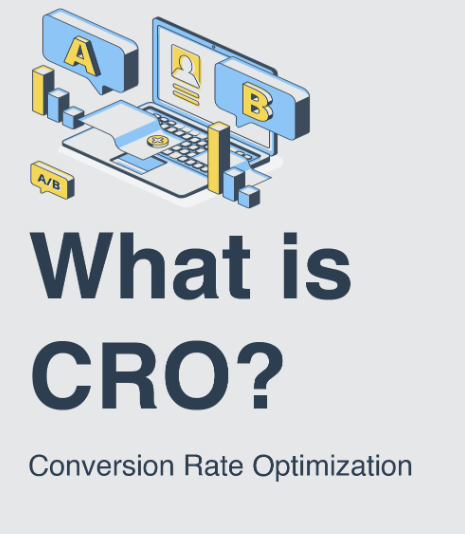
Landing Page CRO (Conversion Rate Optimization) is the process of improving a landing page to increase the percentage of visitors who take a desired action.
Common Conversion Goals:
- Form submissions
- Product purchases
- Newsletter sign-ups
- App downloads
Why Landing Page CRO is Important
1. Maximizes ROI
Get more conversions from existing traffic.
2. Reduces Customer Acquisition Cost (CAC)
Improves efficiency of marketing campaigns.
3. Enhances User Experience
Better UX leads to higher engagement.
4. Increases Revenue
Higher conversion rates directly impact sales.
5. Data-Driven Decisions
Use insights to improve performance.
Key Elements of a High-Converting Landing Page
1. Compelling Headline
Your headline is the first thing users see.
Tips:
- Be clear and concise
- Highlight value
- Address user pain points
2. Strong Value Proposition
Explain why users should choose your product or service.
3. Clear Call-to-Action (CTA)
Examples:
- “Get Started”
- “Download Now”
- “Book a Free Demo”
4. Engaging Visuals
Use images, videos, and graphics to enhance appeal.
5. Social Proof
Build trust with:
- Testimonials
- Reviews
- Case studies
6. Minimal Distractions
Remove unnecessary elements that may confuse users.
7. Mobile Optimization
Ensure your page works seamlessly on mobile devices.
Landing Page CRO Strategies
1. A/B Testing
Test different versions of your landing page.
Tools:
- Optimizely
- Google Optimize
2. Improve Page Load Speed
Fast-loading pages improve conversions and SEO rankings on Google.
3. Use Heatmaps and Analytics
Analyze user behavior with:
- Hotjar
4. Optimize Forms
Best Practices:
- Keep forms short
- Use autofill
- Reduce friction
5. Personalization
Tailor content based on:
- Location
- Behavior
- Preferences
6. Use Urgency and Scarcity
Examples:
- “Limited time offer”
- “Only 5 spots left”
7. Add Trust Signals
Include:
- Security badges
- Certifications
- Customer logos
CRO Frameworks
1. AIDA Model
- Attention
- Interest
- Desire
- Action
2. PAS Framework
- Problem
- Agitate
- Solution
3. Conversion Funnel
- Awareness
- Consideration
- Decision
Best Tools for Landing Page CRO
1. Google Analytics
Tracks user behavior and conversions.
2. Hotjar
Provides heatmaps and session recordings.
3. Optimizely
Runs experiments for optimization.
4. Unbounce
Creates high-converting landing pages.
5. Crazy Egg
Visualizes user interactions.
Landing Page Design Best Practices
1. Use a Clean Layout
Avoid clutter and distractions.
2. Focus on One Goal
Each landing page should have a single objective.
3. Use Contrasting Colors for CTA
Make buttons stand out.
4. Optimize Above-the-Fold Content
Ensure key information is visible immediately.
5. Use Bullet Points
Highlight benefits clearly.
Copywriting Tips for CRO
1. Focus on Benefits, Not Features
Explain how your product solves problems.
2. Use Clear and Simple Language
Avoid jargon.
3. Address Pain Points
Show empathy with users.
4. Include Strong CTAs
Encourage action.
5. Use Storytelling
Make content engaging and relatable.
Common CRO Mistakes
1. Too Many CTAs
Confuses users.
2. Slow Page Speed
Leads to higher bounce rates.
3. Poor Mobile Experience
Reduces conversions.
4. Lack of Testing
Missed optimization opportunities.
5. Ignoring Data
Decisions should be data-driven.
Advanced CRO Techniques
1. AI-Powered Personalization
Use AI to customize experiences.
2. Dynamic Content
Change content based on user behavior.
3. Exit-Intent Popups
Capture users before they leave.
4. Retargeting Campaigns
Re-engage visitors who didn’t convert.
5. Behavioral Targeting
Deliver relevant content based on actions.
Metrics to Measure CRO Success
- Conversion Rate
- Bounce Rate
- Average Session Duration
- Click-Through Rate (CTR)
- Cost Per Conversion
Landing Page CRO for Different Industries
1. E-Commerce
Focus on:
- Product images
- Reviews
- Checkout optimization
2. SaaS
Focus on:
- Free trials
- Demos
- Feature highlights
3. Lead Generation
Focus on:
- Form optimization
- Clear value proposition
Step-by-Step CRO Plan
Step 1: Analyze Current Performance
Use tools like Google Analytics.
Step 2: Identify Issues
Find areas of improvement.
Step 3: Create Hypotheses
Plan changes to test.
Step 4: Run Experiments
Use A/B testing tools.
Step 5: Analyze Results
Evaluate performance.
Step 6: Implement Changes
Apply successful strategies.
Real-World Example
Scenario:
A business wants to increase conversions.
Strategy:
- Improve headline
- Optimize CTA
- Use heatmaps
Result:
- Higher engagement
- Increased conversions
Future Trends in Landing Page CRO
1. AI Integration
Automated optimization and personalization.
2. Voice Search Optimization
Adapting to voice queries.
3. Interactive Content
Quizzes and dynamic elements.
4. Mobile-First Design
Focus on mobile users.
5. Privacy-Focused Optimization
Respect user data and consent.
Conclusion
Landing page CRO is one of the most effective ways to improve marketing performance without increasing costs. By focusing on user experience, data analysis, and continuous testing, businesses can significantly boost conversions and revenue.