Table of Contents
ToggleBest Marketing Proposal Template (Complete 3000-Word Guide)
A powerful marketing proposal is more than a document — it’s a revenue-generating asset. Whether you’re a freelancer, agency owner, digital marketer, or consultant, your proposal determines whether a potential client says yes or moves on to your competitor.
In this comprehensive guide, you’ll learn:
-
What a marketing proposal is
-
Why it matters
-
A step-by-step marketing proposal template
-
Real structure examples
-
Psychology techniques that increase closing rates
-
Mistakes to avoid
-
Tools to streamline proposal creation
-
How to present and follow up effectively
Let’s build a high-converting marketing proposal from scratch.
What Is a Marketing Proposal?
A marketing proposal is a structured document that outlines:
-
Client’s problem
-
Your proposed solution
-
Strategy and deliverables
-
Timeline
-
Pricing
-
Expected results
-
Terms and next steps
It bridges the gap between a discovery call and a signed contract.
Unlike a marketing plan (which is internal), a proposal is client-facing and designed to persuade.
Why a Strong Marketing Proposal Is Critical
A winning proposal does three things:
-
Positions you as an authority
-
Builds trust and clarity
-
Removes risk from the buyer’s decision
In competitive industries like digital marketing, clients often compare multiple proposals. The one that demonstrates deep understanding and clear ROI usually wins.
The Perfect Marketing Proposal Structure
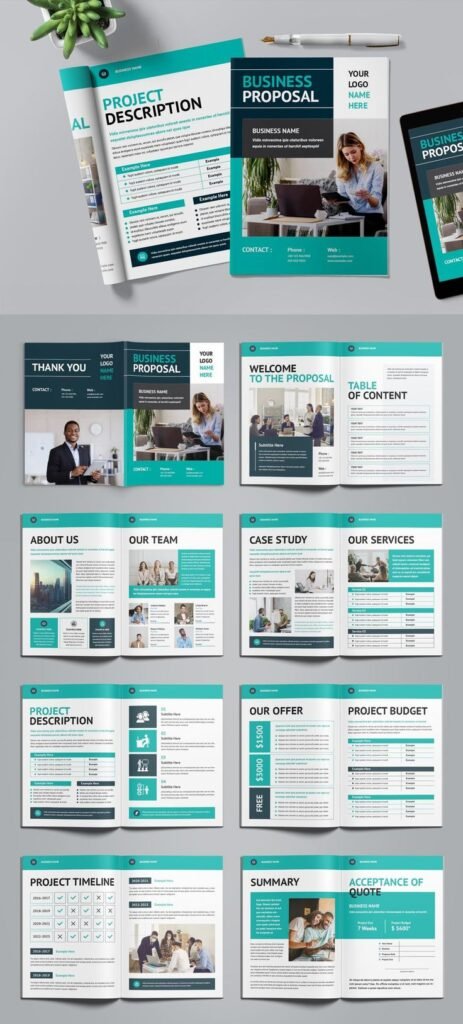
Below is the ideal structure used by top-performing agencies.
1. Cover Page
Include:
-
Your logo and brand name
-
Client’s company name
-
Proposal title
-
Date
-
Contact details
Example:
“Digital Growth Strategy Proposal for ABC Fashion Pvt Ltd”
Keep it clean and professional.
2. Executive Summary (Most Important Section)
This is not about you. It’s about the client.
Structure:
-
Their current situation
-
Main challenges
-
Desired outcomes
-
Your high-level solution
Example:
“ABC Fashion is experiencing declining online engagement and inconsistent sales growth. Through a strategic combination of SEO, paid ads, and email automation, we project a 40% increase in qualified traffic and a 25% improvement in conversion rate within six months.”
Keep this section concise (1–2 pages max).
3. Problem Statement
Demonstrate deep understanding.
Cover:
-
Market competition
-
Digital visibility gaps
-
Low conversion rates
-
Brand inconsistency
-
Poor ROI from ads
Use data from your audit if possible.
Clients hire experts who understand their pain points clearly.
4. Goals & Objectives
Define SMART goals:
-
Increase organic traffic by 50% in 6 months
-
Generate 200 qualified leads per month
-
Reduce customer acquisition cost by 20%
-
Improve email open rate to 25%
Clear goals increase confidence.
5. Target Audience Analysis
Show that you understand:
-
Demographics
-
Behavior patterns
-
Buying triggers
-
Online platforms they use
Example:
Primary Audience:
-
Age: 22–35
-
Location: Tier 1 & 2 cities
-
Behavior: Active on Instagram & YouTube
-
Pain Points: Affordable but premium fashion
Audience clarity improves strategy credibility.
6. Proposed Marketing Strategy
This is the core of your proposal.
Break it into channels:
SEO Strategy
-
Keyword research
-
On-page optimization
-
Technical SEO
-
Content marketing
-
Link building
Paid Advertising
-
Google Ads campaigns
-
Social media ads
-
Retargeting strategy
Social Media Marketing
-
Content calendar
-
Reel strategy
-
Influencer collaborations
Email Marketing
-
Welcome sequences
-
Abandoned cart automation
-
Promotional campaigns
Conversion Optimization
-
Landing page redesign
-
A/B testing
-
Funnel optimization
Explain how each channel supports the overall goal.
7. Deliverables
Be specific.
Example:
Month 1:
-
Website audit
-
Keyword research
-
Competitor analysis
-
Campaign setup
Month 2–3:
-
8 blog posts
-
2 ad campaigns
-
12 social posts
Avoid vague descriptions like “we’ll improve SEO.”
8. Timeline & Milestones
Use a monthly or quarterly breakdown.
Example:
Month 1 – Setup & Research
Month 2 – Launch campaigns
Month 3 – Optimization
Month 4–6 – Scaling
Clarity reduces confusion.
9. Investment & Pricing
Be transparent.
Options:
Option 1 – Basic Plan
₹30,000/month
Option 2 – Growth Plan
₹60,000/month
Option 3 – Premium Plan
₹1,00,000/month
Offering tiered pricing increases conversion probability.
Also include:
-
Payment terms
-
Invoicing schedule
-
Refund policy
10. Expected Results & ROI
Never guarantee unrealistic numbers.
Instead say:
“Based on industry benchmarks and previous campaigns, we anticipate…”
Provide realistic projections.
11. Case Studies & Social Proof
Add:
-
Client testimonials
-
Before/after results
-
Portfolio links
Social proof reduces decision anxiety.
12. Why Choose Us?
Highlight:
-
Experience
-
Unique methodology
-
Industry specialization
-
Dedicated support
Make this short and strong.
13. Terms & Conditions
Include:
-
Scope limitations
-
Revisions policy
-
Cancellation clause
-
Confidentiality
-
Intellectual property rights
This protects both parties.
14. Call to Action
Clear next steps:
-
Approve proposal
-
Schedule kickoff meeting
-
Sign agreement
-
Pay initial invoice
Make it easy to say yes.
Marketing Proposal Template (Copy-Paste Framework)
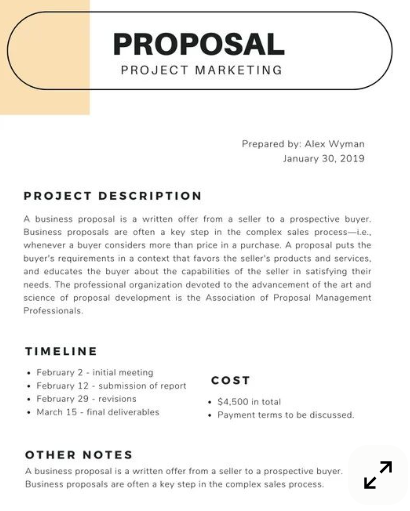
Below is a simplified template you can reuse:
Cover Page
Marketing Proposal for [Client Name]
Prepared by [Your Company]
Date:
Executive Summary
Brief overview of problem and solution.
Business Challenges
List key issues.
Objectives
1.
2.
3.
Target Audience
Strategy Overview
SEO
Paid Ads
Social Media
Email
Deliverables
Timeline
Investment
Expected Outcomes
Case Studies
Terms & Conditions
Next Steps
Psychology Techniques That Increase Proposal Acceptance
Use these proven tactics:
1. Personalization
Mention specific details from discovery calls.
2. Loss Aversion
Highlight what they lose by delaying action.
3. Anchoring
Present premium option first.
4. Social Proof
Add testimonials.
5. Simplicity
Common Marketing Proposal Mistakes
Avoid these:
❌ Generic copy-paste proposals
❌ Talking too much about your company
❌ Vague pricing
❌ No measurable goals
❌ Overpromising results
❌ Sending without follow-up
Tools to Create Professional Proposals
Use tools like:
-
Canva
-
Google Docs
-
Notion
-
PandaDoc
-
Proposify
Automation saves time and increases consistency.
How to Present Your Proposal
Don’t just email it.
Best practice:
-
Schedule presentation call
-
Walk through key sections
-
Focus on ROI
-
Handle objections live
Closing rates increase significantly with live presentations.
Follow-Up Strategy
If no response:
Day 2 – Gentle reminder
Day 5 – Share extra insight
Day 10 – Final check-in
Persistence without pressure works best.
Advanced Proposal Strategies for Agencies
Add a Marketing Roadmap
Visual roadmap improves clarity.
Offer Performance-Based Pricing
Hybrid model:
Base fee + performance bonus.
Add Competitor Insights
Show their competitors’ weaknesses.
Include Quick Wins
Give 2–3 immediate improvements they can implement.
Proposal Length Guide
Small project: 5–8 pages
Mid-size: 10–15 pages
Enterprise: 20+ pages
Quality matters more than word count.
Final Thoughts
A marketing proposal is your sales weapon.
A strong one:
-
Focuses on client goals
-
Demonstrates expertise
-
Provides clear deliverables
-
Shows ROI potential
-
Makes decision easy
Remember:
Clients don’t buy marketing services.
They buy growth, clarity, and confidence.
Build your proposal around those three elements — and your closing rate will increase dramatically.