Table of Contents
ToggleThe Best Metaverse Marketing Guide for 2026
The digital world is entering a new era—one where immersive virtual environments redefine how people interact, socialize, and shop. This evolution is powered by the metaverse, and it is rapidly transforming how brands connect with their audiences.
Metaverse marketing is no longer just a futuristic concept—it’s a powerful strategy being used by forward-thinking companies to create unforgettable brand experiences, build communities, and unlock new revenue streams.
In this comprehensive 3000-word guide, you’ll learn everything about metaverse marketing, including strategies, platforms, tools, examples, and actionable insights to help your business succeed in this emerging space.
What is Metaverse Marketing?
Metaverse marketing refers to the promotion of brands, products, and services within immersive digital environments where users interact through avatars in real time.
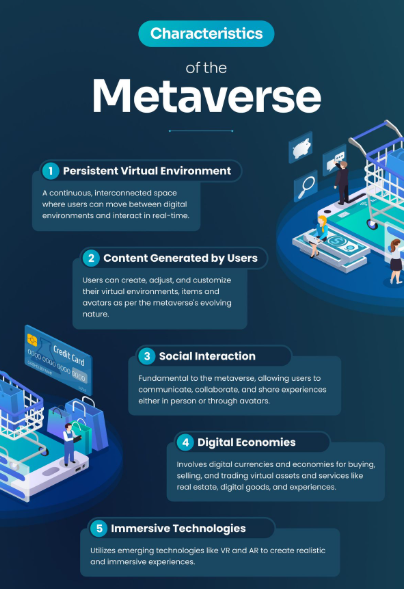
These environments are powered by:
- Virtual Reality (VR)
- Augmented Reality (AR)
- Blockchain technology
- Artificial Intelligence (AI)
Unlike traditional marketing, metaverse marketing focuses on experiences rather than advertisements.
Why Metaverse Marketing is Important
1. Immersive Customer Experiences
Users don’t just see your brand—they interact with it.
2. Higher Engagement
Interactive environments significantly increase engagement levels.
3. New Revenue Streams
Digital goods, NFTs, and virtual assets create new monetization opportunities.
4. Global Audience Reach
The metaverse removes geographical barriers.
5. Future-Ready Branding
Early adopters gain a competitive advantage.
Key Technologies Behind Metaverse Marketing
1. Virtual Reality (VR)
Creates fully immersive environments.
2. Augmented Reality (AR)
Enhances real-world experiences with digital overlays.
3. Blockchain
Enables ownership of digital assets and NFTs.
4. Artificial Intelligence (AI)
Drives personalization and automation.
5. 3D Design and Modeling
Builds realistic virtual environments.
Top Metaverse Platforms for Marketing
1. Roblox
A user-generated platform popular among younger audiences.
2. Fortnite
Hosts large-scale virtual events and brand collaborations.
3. Decentraland
A decentralized virtual world powered by blockchain.
4. The Sandbox
Allows users to create and monetize experiences.
5. Meta Horizon Worlds
A social VR platform focused on immersive interactions.
Types of Metaverse Marketing
1. Virtual Events
Brands host concerts, conferences, and product launches.
2. Branded Virtual Spaces
Create digital stores, showrooms, or experiences.
3. Digital Products
Sell virtual goods like clothing, skins, and accessories.
4. In-Game Advertising
Place ads within gaming environments.
5. Influencer Collaborations
Partner with virtual creators and influencers.
Best Metaverse Marketing Strategies
1. Focus on Experiences
In the metaverse, users value experiences over ads.
Examples:
- Virtual fashion shows
- Interactive games
- Story-driven experiences
2. Build a Strong Virtual Presence
Establish your brand in platforms like Decentraland.
3. Use Gamification
Increase engagement through:
- Rewards
- Challenges
- Leaderboards
4. Launch Virtual Products
Offer digital goods such as:
- Avatar skins
- Virtual merchandise
5. Host Interactive Events
Examples:
- Live concerts in Fortnite
- Virtual meetups
6. Leverage NFTs
Create exclusive digital assets for users.
7. Collaborate with Creators
Work with influencers in platforms like Roblox.
8. Personalize User Experiences
Use AI to tailor interactions and content.
Benefits of Metaverse Marketing
1. High Engagement
Users spend more time in immersive environments.
2. Strong Brand Recall
Interactive experiences are memorable.
3. Global Accessibility
Reach audiences worldwide.
4. Innovation and Differentiation
Stand out from competitors.
5. Community Building
Create loyal brand communities.
Challenges in Metaverse Marketing
1. High Development Costs
Creating immersive experiences requires investment.
2. Limited Accessibility
Not all users have VR devices.
3. Measurement Difficulties
Tracking ROI can be complex.
4. Privacy and Security Concerns
Data protection is critical.
5. Rapid Evolution
The metaverse is constantly changing.
Tools for Metaverse Marketing
1. Game Engines
Build virtual environments and experiences.
2. Blockchain Platforms
Enable NFT creation and transactions.
3. Analytics Tools
Track engagement and performance.
4. VR/AR Development Tools
Create immersive content.
Metrics to Measure Success
- User engagement
- Time spent in virtual environments
- Conversion rate
- Digital asset sales
- Community growth
Real-World Examples
Virtual Concerts
Brands host events in Fortnite attracting millions of users.
Virtual Real Estate
Companies invest in digital land in Decentraland.
Digital Fashion
Brands sell virtual clothing in The Sandbox.
Metaverse Marketing vs Traditional Marketing
| Aspect | Metaverse Marketing | Traditional Marketing |
|---|---|---|
| Engagement | High | Moderate |
| Interaction | Interactive | Passive |
| Experience | Immersive | Static |
| Reach | Global | Limited |
Future Trends in Metaverse Marketing
1. AI-Driven Personalization
More tailored experiences for users.
2. Virtual Commerce Growth
Shopping in virtual worlds will expand.
3. Better Accessibility
More users will join the metaverse.
4. Cross-Platform Integration
Seamless experiences across platforms.
5. Advanced Avatars
More realistic and customizable avatars.
Step-by-Step Metaverse Marketing Plan
Step 1: Define Objectives
Set clear goals for your campaign.
Step 2: Choose the Right Platform
Select platforms like Roblox.
Step 3: Design Experiences
Create engaging and interactive environments.
Step 4: Launch Campaigns
Promote your virtual presence.
Step 5: Engage Users
Interact and build relationships.
Step 6: Analyze and Optimize
Track performance and improve strategies.
Conclusion
Metaverse marketing is revolutionizing how brands connect with audiences. By focusing on immersive experiences, personalization, and innovation, businesses can unlock new growth opportunities and stay ahead in the digital age.