Table of Contents
ToggleThe Ultimate Guide to Online Reputation Management (ORM) in 2026
In today’s digital-first world, your brand’s reputation lives online. A single negative review, viral complaint, or misleading article can impact your credibility, sales, and long-term growth. That’s why Online Reputation Management (ORM) has become a critical pillar of digital marketing.
This comprehensive guide covers everything you need to know about ORM—what it is, why it matters, strategies, tools, best practices, and future trends to help you build, protect, and grow your online reputation in 2026 and beyond.
What is Online Reputation Management (ORM)?
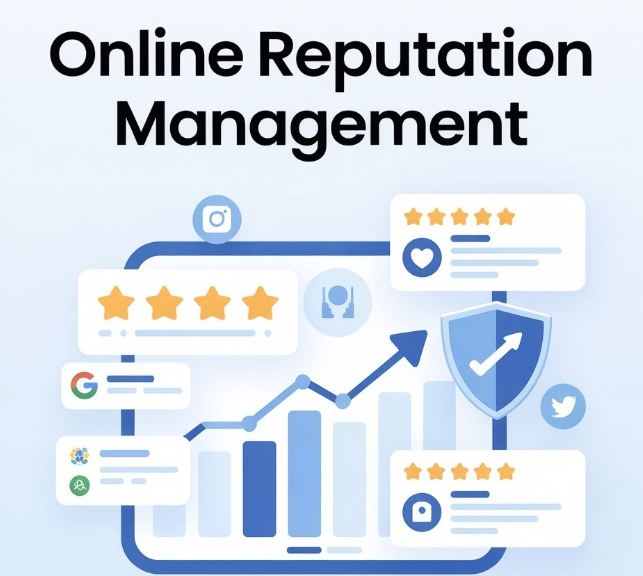
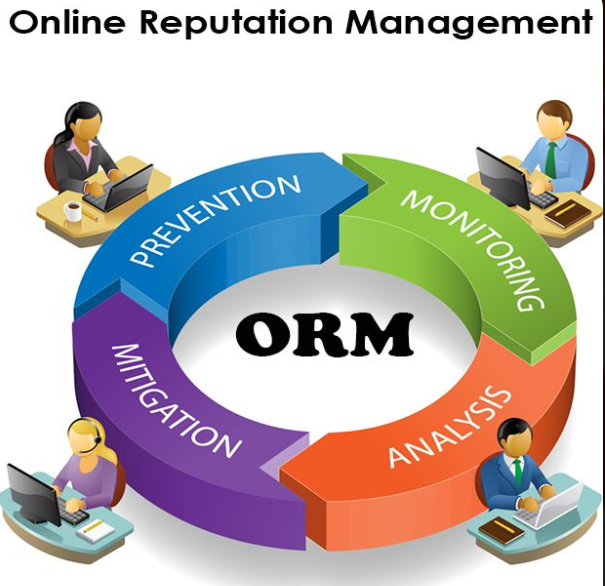
Online Reputation Management (ORM) is the process of monitoring, influencing, and improving how your brand is perceived online.
It involves:
- Managing reviews and ratings
- Responding to customer feedback
- Monitoring brand mentions
- Controlling search engine results
- Building a positive brand image
ORM is not just about damage control—it’s about proactively building trust and credibility.
Why Online Reputation Management Matters
1. First Impressions Are Digital
Most customers research a brand online before making a purchase decision.
2. Reviews Influence Buying Decisions
Positive reviews increase trust, while negative ones can drive customers away.
3. Impacts SEO Rankings
Search engines consider reputation signals like reviews and engagement.
4. Builds Brand Trust
A strong online reputation creates credibility and authority.
5. Drives Revenue Growth
Better reputation = higher conversions and customer retention.
Key Components of ORM
1. Review Management
Managing customer reviews across platforms like:
- Google Maps
- Yelp
- Amazon
2. Social Media Monitoring
Tracking brand mentions and conversations on:
- X
3. Search Engine Reputation
Managing what appears when users search your brand on:
4. Content Management
Publishing positive and relevant content to shape perception.
5. Crisis Management
Handling negative publicity or PR issues effectively.
Types of Online Reputation
1. Brand Reputation
How your company is perceived by customers.
2. Personal Reputation
Important for influencers, executives, and professionals.
3. Product Reputation
Customer perception of specific products or services.
ORM Strategies for Success
1. Monitor Your Online Presence
Use tools to track:
- Brand mentions
- Reviews
- Keywords
Tools:
- Google Alerts
- Mention
2. Respond to Reviews Promptly
Best Practices:
- Thank customers for positive reviews
- Address negative feedback professionally
- Offer solutions
3. Encourage Positive Reviews
Ask satisfied customers to leave reviews on:
- Google Maps
- Amazon
4. Create High-Quality Content
Content types:
- Blogs
- Videos
- Case studies
- Testimonials
5. Optimize Search Results
Use SEO techniques to:
- Rank positive content
- Push down negative results
6. Leverage Social Media
Engage with your audience and build relationships.
7. Handle Negative Feedback Professionally
Do:
- Stay calm
- Apologize if necessary
- Provide solutions
Don’t:
- Argue with customers
- Ignore complaints
8. Build a Strong Brand Identity
Consistency across:
- Messaging
- Visuals
- Tone
ORM Tools and Platforms
1. Google Alerts
Tracks brand mentions online.
2. Hootsuite
Manages social media interactions.
3. Reputation.com
Enterprise-level ORM solution.
4. Trustpilot
Collects and manages reviews.
5. SEMrush
Helps with SEO and brand monitoring.
ORM for Different Business Types
1. Local Businesses
Focus on:
- Local SEO
- Reviews on Google Maps
- Customer feedback
2. E-commerce Businesses
Focus on:
- Product reviews
- Ratings
- Customer service
3. SaaS Companies
Focus on:
- User feedback
- Case studies
- Testimonials
4. Personal Brands
Focus on:
- Content creation
- Social media presence
- Thought leadership
Crisis Management in ORM
Steps to Handle a Crisis:
1. Identify the Issue Quickly
Monitor alerts and detect problems early.
2. Respond Immediately
Acknowledge the issue publicly.
3. Take Responsibility
If at fault, admit and correct mistakes.
4. Provide Solutions
Offer refunds, replacements, or fixes.
5. Follow Up
Ensure the issue is resolved.
ORM and SEO
ORM and SEO are closely connected.
Benefits:
- Improved search rankings
- Better brand visibility
- Increased trust
Techniques:
- Keyword optimization
- Backlink building
- Content marketing
Metrics to Measure ORM Success
- Review ratings
- Sentiment analysis
- Brand mentions
- Engagement rate
- Search rankings
Common ORM Mistakes
1. Ignoring Negative Reviews
Silence damages trust.
2. Fake Reviews
Can lead to penalties and loss of credibility.
3. Inconsistent Branding
Confuses customers.
4. Lack of Monitoring
Missed opportunities and risks.
5. Poor Response Strategy
Unprofessional replies harm reputation.
Advanced ORM Techniques
1. Sentiment Analysis
Use AI to analyze customer emotions.
2. Influencer Partnerships
Collaborate with influencers to improve perception.
3. User-Generated Content
Encourage customers to share experiences.
4. Video Testimonials
Build trust through real customer stories.
5. Reputation Scoring
Measure overall brand reputation.
Future Trends in ORM (2026)
1. AI-Powered Monitoring
Automation will detect and respond to issues faster.
2. Voice Search Reputation
Managing brand perception in voice assistants.
3. Real-Time Engagement
Instant responses will become standard.
4. Privacy-Focused Strategies
Compliance with data regulations.
5. Integration with Customer Experience (CX)
ORM will be part of overall CX strategy.
Step-by-Step ORM Strategy
Step 1: Audit Your Current Reputation
Search your brand on Google and analyze results.
Step 2: Set Goals
Define what you want to achieve:
- Better ratings
- More positive reviews
Step 3: Choose Tools
Use platforms like Hootsuite and SEMrush.
Step 4: Create Content Strategy
Publish positive and engaging content.
Step 5: Engage with Customers
Respond to reviews and comments.
Step 6: Monitor and Optimize
Continuously track and improve.
Real-World Example
Scenario:
A business receives negative reviews.
Solution:
- Respond professionally
- Resolve issues
- Encourage satisfied customers to leave reviews
Result:
Improved ratings and customer trust.
Conclusion
Online Reputation Management is no longer optional—it’s essential. In a world where customers rely heavily on online information, your reputation directly impacts your success.
To succeed:
- Monitor your online presence
- Engage with customers
- Focus on positive content
- Use the right tools
- Handle crises effectively