Table of Contents
ToggleThe Ultimate Guide to Photography Marketing (2026 Edition)
Photography is one of the most competitive creative industries in the digital age. With smartphones improving every year and millions of creators posting daily on platforms like Instagram and YouTube, standing out as a professional photographer requires more than talent.
It requires strategy.
Whether you are a wedding photographer, portrait artist, product photographer, travel creator, or commercial specialist, marketing determines your bookings, pricing power, and long-term success.
In this in-depth 3000-word guide, you’ll learn:
-
How to position your photography brand
-
How to attract high-paying clients
-
Social media strategies for photographers
-
SEO and local marketing techniques
-
Paid advertising ideas
-
How to increase referrals
-
Advanced photography marketing strategies for 2026
Let’s dive in.
Why Photography Marketing Is Essential
Being a good photographer is not enough.
Many talented photographers struggle because:
-
They don’t define a niche
-
They compete only on price
-
They lack brand identity
-
They rely only on word-of-mouth
-
They don’t optimize online presence
Marketing transforms photography from a hobby into a profitable business.
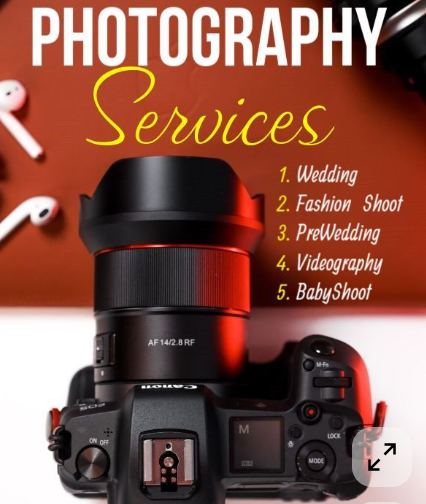
Step 1: Define Your Photography Niche
The fastest way to grow is specialization.
Instead of:
“I do all types of photography.”
Choose:
-
Wedding photography
-
Pre-wedding shoots
-
Baby photography
-
Fashion photography
-
Product photography
-
Real estate photography
-
Corporate headshots
Niche positioning increases authority and attracts better clients.
Step 2: Build a Strong Personal Brand
Photography is personal. Clients hire YOU.
Your brand should include:
-
Consistent editing style
-
Recognizable color grading
-
Clear tone of communication
-
Professional logo
-
Strong portfolio presentation
Consistency builds trust and premium perception.
Step 3: Create a High-Converting Photography Website
Your website is your digital showroom.
It must include:
-
Portfolio gallery
-
About page with your story
-
Service packages
-
Testimonials
-
Contact form
-
Location details
Optimize for local SEO on Google.
Example keywords:
-
“Best wedding photographer in [City]”
-
“Affordable maternity photographer near me”
Local SEO brings high-intent leads.
Step 4: Master Instagram Marketing
Photography and Instagram are a perfect match.
What to Post:
1. Carousel Posts
Before-and-after edits.
Behind-the-scenes shots.
2. Reels
Short clips from:
-
Weddings
-
Photoshoots
-
Editing process
-
Client reactions
Short-form video increases reach.
3. Stories
Daily updates:
-
Client bookings
-
Location shoots
-
Equipment setup
Consistency keeps you top-of-mind.
Step 5: Use Pinterest for Traffic
Pinterest is powerful for:
-
Wedding photography
-
Fashion shoots
-
Home décor photography
Create boards based on themes:
-
“Outdoor Wedding Ideas”
-
“Pre-Wedding Shoot Poses”
-
“Baby Photoshoot Inspiration”
Pinterest drives long-term traffic.
Step 6: YouTube for Authority
On YouTube, you can:
-
Share photography tips
-
Show behind-the-scenes shoots
-
Teach editing tutorials
-
Review camera gear
YouTube builds authority and attracts serious clients.
Step 7: Leverage Google Business Profile
If you serve local clients, optimize your listing on Google.
Add:
-
Studio photos
-
Client testimonials
-
Updated working hours
-
Service descriptions
Encourage satisfied clients to leave reviews.
Reviews influence booking decisions strongly.
Step 8: Paid Ads for Photography
Paid ads can generate consistent inquiries.
Facebook & Instagram Ads
Run ads on:
-
Facebook
-
Instagram
Target:
-
Engaged couples (for wedding photography)
-
Pregnant women (for maternity shoots)
-
Small business owners (for product photography)
Use emotional visuals and testimonials.
Google Search Ads
Capture people searching for:
-
“Wedding photographer price”
-
“Best photographer near me”
High-intent searches convert well.
Step 9: Offer Packages Instead of Hourly Rates
Instead of charging hourly, create:
-
Silver Package
-
Gold Package
-
Platinum Package
Include:
-
Number of photos
-
Album
-
Drone coverage
-
Pre-wedding shoot
Packages simplify decisions and increase revenue.
Step 10: Collaborate with Industry Partners
Build partnerships with:
-
Wedding planners
-
Makeup artists
-
Event decorators
-
Venues
-
Fashion designers
Referral partnerships increase bookings without ad costs.
Step 11: Use Testimonials & Social Proof
Always collect:
-
Video testimonials
-
Google reviews
-
Instagram tags
Post:
“Client reaction after receiving their wedding album.”
Social proof increases credibility.
Step 12: Run Seasonal Campaigns
Photography demand increases during:
-
Wedding season
-
Festivals
-
Graduation season
-
Holiday season
Launch special offers:
“Book your pre-wedding shoot before March & get 10% off.”
Urgency drives bookings.
Step 13: Build an Email List
Collect emails through:
-
Free pose guide download
-
Wedding planning checklist
-
Photography tips PDF
Send:
-
Portfolio updates
-
Offer announcements
-
Seasonal reminders
Email marketing increases repeat clients.
Step 14: Create Educational Content
Position yourself as an expert.
Write blog posts:
-
“How to choose a wedding photographer”
-
“Top 10 pre-wedding poses”
-
“What to wear for maternity shoot”
Educational content builds trust.
Step 15: Focus on Client Experience
Marketing doesn’t end after booking.
Deliver:
-
Fast response time
-
Clear communication
-
Professional behavior
-
Timely delivery
Happy clients generate referrals.
Step 16: Build Referral Programs
Offer:
-
₹1,000 discount for referrals
-
Free photo print for referrals
Word-of-mouth is powerful in photography.
Step 17: Create Signature Editing Style
Develop a recognizable editing style.
Clients often book photographers for:
-
Moody tones
-
Bright & airy look
-
Cinematic colors
Consistency builds brand recognition.
Step 18: Showcase Behind-the-Scenes Content
People love seeing:
-
Camera setup
-
Lighting adjustments
-
Editing workflow
This builds transparency and authority.
Step 19: Use Short-Form Video Marketing
Short-form video on:
-
Instagram
-
YouTube
can dramatically increase reach.
Example content:
-
“From RAW to Final Edit”
-
“Client reaction in 10 seconds”
Step 20: Create Limited-Time Offers
Example:
“Only 10 wedding bookings left for 2026 season.”
Scarcity increases urgency.
Advanced Photography Marketing Strategies (2026)
1. AI-Powered Client Targeting
Use AI tools to:
-
Analyze engagement
-
Predict booking patterns
-
Optimize ad targeting
Data improves marketing ROI.
2. Personal Branding Through Storytelling
Share:
-
Why you became a photographer
-
Your creative journey
-
Challenges you overcame
Authenticity builds emotional connection.
3. Offer Mini Sessions
Short, affordable sessions attract:
-
First-time clients
-
Budget-conscious customers
Mini sessions often convert into full bookings later.
4. Create Photography Workshops
Teach beginners:
-
Camera basics
-
Editing skills
Workshops generate extra revenue and authority.
Key Metrics to Track
Monitor:
-
Inquiry rate
-
Booking conversion rate
-
Cost per lead
-
Social engagement
-
Website traffic
-
Average revenue per client
Marketing without tracking is guessing.
Common Photography Marketing Mistakes
1. Competing Only on Price
Low pricing attracts low-quality clients.
2. Inconsistent Branding
Random edits confuse potential clients.
3. Ignoring Local SEO
Local search brings ready-to-book clients.
4. Poor Communication
Slow replies lose bookings.
5. Not Updating Portfolio
Show your best and latest work.
How to Scale Your Photography Business
-
Hire assistants.
-
Outsource editing.
-
Increase package pricing.
-
Expand into new niches.
-
Offer premium albums and prints.
-
Build a small team.
Scaling requires systems, not just talent.
Final Thoughts
Photography marketing in 2026 is about:
-
Clear niche positioning
-
Strong personal branding
-
High-quality social presence
-
Strategic advertising
-
Outstanding client experience
The most successful photographers combine art with marketing intelligence.
Remember:
People don’t just hire photographers.
They hire storytellers who capture memories, emotions, and moments that last forever.
If you consistently market smartly and deliver exceptional quality, your photography brand can grow into a premium, highly profitable business.