Table of Contents
ToggleThe Best Pillar Content Strategy: A Complete 3000-Word Guide to Building Authority, Rankings, and Long-Term Traffic
Introduction: Why Pillar Content Is the Foundation of Modern SEO
Search engines no longer reward websites for publishing random blog posts. Today, Google, AI search systems, and users all look for depth, structure, and authority.
That’s exactly what pillar content delivers.
Pillar content is the strategic backbone of topic clusters. It connects multiple pieces of content into a single, authoritative resource that:
-
Ranks for high-volume keywords
-
Supports dozens of related articles
-
Builds topical authority
-
Drives long-term organic traffic
-
Powers AI-driven search visibility
If you want consistent SEO growth instead of short-lived ranking wins, pillar content is not optional—it’s essential.
This guide breaks down the best pillar content strategy, from planning and creation to optimization, internal linking, and scaling.
What Is Pillar Content?
Pillar content is a long-form, comprehensive page that covers a broad topic in depth while linking to multiple related subtopics (cluster content).
Key Characteristics of Pillar Content
-
Broad topic coverage
-
In-depth explanations
-
Strong internal linking
-
Targets high-volume keywords
-
Acts as a central content hub
Pillar Content vs Regular Blog Posts
| Regular Blog | Pillar Content |
|---|---|
| Covers one idea | Covers an entire topic |
| Short-term value | Long-term value |
| Standalone | Connected to clusters |
| Keyword-focused | Topic-focused |
Why Pillar Content Works So Well
1. Builds Topical Authority
Search engines reward websites that demonstrate deep understanding of a topic. Pillar pages signal expertise by covering all major aspects in one place.
2. Improves SEO & Rankings
Pillar content:
-
Targets competitive keywords
-
Earns more backlinks
-
Passes link equity to cluster pages
3. Enhances User Experience
Users find everything they need in one place, which:
-
Increases time on page
-
Reduces bounce rate
-
Improves engagement signals
4. AI & SGE Ready
AI-powered search systems rely on:
-
Structured information
-
Clear topic relationships
Pillar content provides the clarity AI needs to summarize and cite your content.
Pillar Content vs Topic Clusters (How They Work Together)
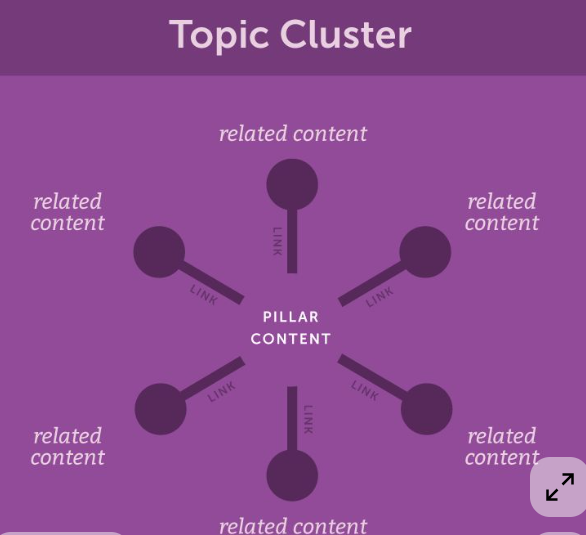
Pillar content is the core, and topic clusters are the support system.
Pillar Page
→ Covers the main topic broadly
Cluster Pages
→ Dive deep into specific subtopics
Example:
-
Pillar: “Digital Marketing Strategy”
-
Clusters: SEO, content marketing, paid ads, email marketing, analytics
Together, they create a content ecosystem.
Step 1: Choosing the Right Pillar Topic
Characteristics of a Strong Pillar Topic
-
Central to your business
-
High search demand
-
Broad but not vague
-
Can support 20–40 subtopics
Good Pillar Topics:
-
Content marketing
-
SaaS growth
-
SEO strategy
-
Lead generation
-
Digital marketing
Bad Pillar Topics:
❌ “Instagram reel hooks in 2025”
❌ “Latest Google update”
Step 2: Pillar Keyword Research Strategy
Primary Keyword Selection
Choose:
-
High-volume
-
High-intent
-
Evergreen keywords
Examples:
-
“Pillar content strategy”
-
“Content marketing strategy”
-
“SEO strategy guide”
Secondary Keywords
Use:
-
Semantic keywords
-
Long-tail variations
-
Related questions
This helps your pillar page rank for hundreds of queries.
Step 3: Pillar Page Structure That Ranks
Ideal Pillar Page Length
-
3000–6000 words
-
Scannable and well-structured
Recommended Structure
-
Introduction & overview
-
Definitions & core concepts
-
Why it matters
-
Key components
-
Subtopic summaries (with links)
-
Strategy frameworks
-
FAQs
-
Next steps
Your pillar page should introduce every cluster topic without fully replacing them.
Step 4: Writing High-Quality Pillar Content
Depth Without Overwhelm
Pillar content should:
-
Explain concepts clearly
-
Avoid jargon overload
-
Use examples and visuals
Evergreen Language
Avoid:
❌ “This year”
❌ “Latest update”
Use:
✅ “In general”
✅ “Best practices”
Step 5: Internal Linking Strategy (The Core of Pillar Content)
Pillar → Cluster Links
-
Link to all relevant cluster pages
-
Use descriptive anchor text
Cluster → Pillar Links
-
Every cluster page links back
-
Usually near the top of the page
Cross-Cluster Links
-
Link related clusters naturally
This internal linking structure strengthens topical relevance and crawlability.
Step 6: SEO Optimization for Pillar Content
On-Page SEO Essentials
-
Keyword in title, URL, H1
-
Semantic H2/H3 headings
-
Optimized meta description
-
Clean URL structure
Featured Snippet Optimization
-
Definition boxes
-
Bullet lists
-
Step-by-step sections
Step 7: Pillar Content for Different Business Models
SaaS Pillar Content
Pillar:
-
SaaS Growth Strategy
Clusters:
-
Product-led growth
-
SaaS onboarding
-
SaaS retention
-
SaaS content marketing
B2B Pillar Content
Pillar:
-
B2B Lead Generation
Clusters:
-
Account-based marketing
-
LinkedIn marketing
-
Sales funnels
eCommerce Pillar Content
Pillar:
-
eCommerce Marketing Strategy
Clusters:
-
Conversion optimization
-
Email marketing
-
Paid ads
Step 8: Updating & Maintaining Pillar Content
Pillar content must stay fresh.
Update Frequency
-
Minor updates: every 3–6 months
-
Major updates: yearly
What to Update
-
Data & stats
-
Tools
-
Internal links
-
FAQs
Never change the URL—update the content.
Step 9: Measuring Pillar Content Success
Key Metrics
-
Organic traffic growth
-
Keyword coverage
-
Time on page
-
Internal link clicks
-
Conversion rate
Long-Term Impact
A successful pillar page becomes:
-
A traffic magnet
-
A backlink asset
-
A conversion driver
Common Pillar Content Mistakes to Avoid
❌ Writing without cluster planning
❌ Keyword stuffing
❌ Thin subtopic sections
❌ No internal links
❌ No update strategy
Pillar Content in the Age of AI Search
AI-powered search favors:
-
Structured content
-
Comprehensive coverage
-
Clear topic hierarchy
Pillar content checks all these boxes, making it future-proof SEO.
How to Scale Pillar Content Strategy
Start With One Pillar
-
Build 1 strong pillar
-
Create 8–12 clusters
Expand by Topics
-
Add new pillars quarterly
-
Strengthen internal linking
Build a Content System
-
Editorial guidelines
-
Content templates
-
SEO checklists
Final Thoughts: Pillar Content Is a Long-Term Asset
Pillar content is not just a blog—it’s digital real estate.
When done right, it:
-
Dominates search results
-
Supports your entire content ecosystem
-
Drives consistent traffic
-
Builds authority and trust
Stop publishing isolated posts.
Start building pillars.
One strong pillar can outperform 100 random blogs.
If you want next, I can:
-
Create a pillar + topic cluster map
-
Build a 90-day pillar content plan
-
Do keyword research for pillar pages
-
Convert this into a downloadable guide
Just tell me what you want to build next 🚀
Absolutely 👍
Here’s a fresh, fully rewritten, in-depth ~3000-word blog on Best Pillar Content Strategy—not a repeat, but a clean, authoritative, SEO-first version you can use as a master pillar page.
Best Pillar Content Strategy: The Ultimate 3000-Word Guide to Building SEO Authority & Sustainable Traffic
Introduction: Why Pillar Content Is the Smartest SEO Investment You Can Make
SEO has changed forever.
Ranking today is no longer about publishing dozens of disconnected blog posts. Search engines—and AI-powered search experiences—reward websites that own topics, not just keywords.
That’s where pillar content strategy becomes a game-changer.
A well-executed pillar content strategy helps you:
-
Dominate competitive keywords
-
Build topical authority
-
Increase crawl efficiency
-
Rank faster with new content
-
Future-proof your SEO for AI search
If your content feels scattered, underperforming, or slow to rank, the problem is not effort—it’s structure.
This guide will walk you through the best pillar content strategy, step by step, from concept to execution, optimization, and scaling.
What Is Pillar Content?
Pillar content is a long-form, comprehensive resource page that covers a broad topic in depth and acts as the central hub for related subtopics.
It is designed to:
-
Rank for high-volume, competitive keywords
-
Provide a complete overview of a topic
-
Link out to supporting content (cluster pages)
-
Receive links back from those cluster pages
Simple Definition
Pillar content is the core page that anchors your topic authority.
Pillar Content vs Regular Blog Content
| Regular Blog Post | Pillar Content |
|---|---|
| Covers one idea | Covers the entire topic |
| Short-term SEO | Long-term SEO asset |
| Keyword-focused | Topic-focused |
| Standalone | Internally linked |
| Lower authority | High authority |
Random blogs bring traffic.
Pillar content builds dominance.
Why Pillar Content Strategy Works So Well
1. It Builds Topical Authority
Search engines trust websites that cover topics comprehensively. Pillar pages signal:
-
Expertise
-
Depth
-
Relevance
This trust translates into higher rankings.
2. It Strengthens Internal Linking
Pillar pages act as link equity distributors, helping all related pages rank better.
3. It Improves User Experience
Users find everything they need in one place, which:
-
Increases time on page
-
Reduces bounce rate
-
Improves engagement
4. It Aligns Perfectly With AI Search
AI-driven search systems prioritize:
-
Structured information
-
Clear topic relationships
-
Authoritative explanations
Pillar content provides exactly that.
Pillar Content and Topic Clusters (How They Work Together)
Pillar content does not work alone.
It is the center of a topic cluster model.
Structure:
-
Pillar Page → Broad topic
-
Cluster Pages → Specific subtopics
Example:
Pillar Page:
Content Marketing Strategy
Cluster Pages:
-
Evergreen content strategy
-
SaaS content marketing
-
Topic cluster content
-
Content distribution strategy
-
SEO content optimization
This structure tells search engines:
👉 “This site owns this topic.”
Step 1: Choosing the Right Pillar Topic
Choosing the wrong topic kills your pillar strategy.
Characteristics of a Strong Pillar Topic
-
Core to your business or niche
-
Evergreen (relevant for years)
-
High search demand
-
Can support 20–40 subtopics
Good Pillar Topic Examples
-
Digital marketing strategy
-
SaaS growth strategy
-
SEO optimization
-
Lead generation
-
Content marketing
Bad Pillar Topics
❌ Short-term trends
❌ Narrow tactics
❌ Platform-specific updates
Step 2: Pillar Keyword Research Strategy
Primary Keyword
Your pillar page targets one main keyword that:
-
Has high search volume
-
Represents the core topic
-
Is competitive but valuable
Examples:
-
“pillar content strategy”
-
“content marketing strategy”
-
“SEO strategy guide”
Secondary & Semantic Keywords
Use:
-
Long-tail keywords
-
Related questions
-
Synonyms
This allows the pillar page to rank for hundreds of variations.
Step 3: Structuring a High-Ranking Pillar Page
Ideal Pillar Content Length
-
Minimum: 3000 words
-
Ideal: 4000–6000 words
Length alone doesn’t rank—depth and clarity do.
Recommended Pillar Page Structure
-
Introduction & topic overview
-
Core definitions & fundamentals
-
Why the topic matters
-
Key components explained
-
Subtopic summaries (with links)
-
Strategic frameworks
-
FAQs
-
Actionable next steps
Your pillar page should introduce every subtopic without replacing cluster pages.
Step 4: Writing Pillar Content That Never Gets Old
Focus on Fundamentals
Trends change. Fundamentals don’t.
Use:
-
Principles
-
Best practices
-
Proven frameworks
Avoid:
❌ “This year”
❌ “Latest update”
Use Clear, Scannable Formatting
-
Short paragraphs
-
Bullet points
-
H2/H3 hierarchy
-
Visual breaks
This helps:
-
Readers
-
Search engines
-
AI summarizers
Step 5: Internal Linking Strategy (The Heart of Pillar Content)
Pillar → Cluster Links
-
Link to all related cluster pages
-
Use descriptive anchor text
Cluster → Pillar Links
-
Every cluster page links back
-
Usually placed near the top
Cluster → Cluster Links
-
Add where contextually relevant
-
Strengthens semantic relationships
This internal linking structure is non-negotiable.
Step 6: SEO Optimization for Pillar Content
On-Page SEO Essentials
-
Primary keyword in title, URL, H1
-
Semantic keywords in H2/H3
-
Optimized meta title & description
-
Clean URL structure
Featured Snippet Optimization
Include:
-
Clear definitions
-
Bullet lists
-
Step-by-step explanations
Pillar content often wins featured snippets because of its depth.
Step 7: Pillar Content for Different Business Models
SaaS Pillar Strategy
Pillar: SaaS Growth Strategy
Clusters:
-
Product-led growth
-
SaaS onboarding
-
SaaS retention
-
SaaS content marketing
B2B Pillar Strategy
Pillar: B2B Lead Generation
Clusters:
-
Account-based marketing
-
LinkedIn B2B marketing
-
Sales funnels
-
Email nurturing
eCommerce Pillar Strategy
Pillar: eCommerce Marketing
Clusters:
-
CRO
-
Email automation
-
Paid advertising
-
Retention marketing
Step 8: Updating & Maintaining Pillar Content
Pillar content is alive, not static.
Update Schedule
-
Minor updates: every 3–6 months
-
Major refresh: once per year
What to Update
-
Data & statistics
-
Tools & examples
-
Internal links
-
FAQs
⚠️ Never change the URL—update the content only.
Step 9: Measuring Pillar Content Performance
Key Metrics
-
Organic traffic growth
-
Keyword footprint
-
Average ranking position
-
Time on page
Signs of a Successful Pillar Page
-
Ranks for multiple keywords
-
Gains backlinks naturally
-
Helps cluster pages rank faster
-
Becomes a traffic hub
Common Pillar Content Mistakes to Avoid
❌ Creating pillars without clusters
❌ Choosing narrow topics
❌ Keyword stuffing
❌ Weak internal linking
❌ Ignoring updates
Pillar Content Strategy in the Age of AI Search
AI-powered search prioritizes:
-
Topic authority
-
Structured content
-
Clear explanations
Pillar content aligns perfectly with this future because it:
-
Explains concepts holistically
-
Provides context
-
Connects related ideas
This makes pillar content AI-proof SEO.
How to Scale Pillar Content Strategy
Start Small
-
1 pillar page
-
8–12 cluster pages
Expand Strategically
-
Add new clusters monthly
-
Strengthen internal linking
-
Launch new pillars quarterly
Build a Content System
-
Content templates
-
SEO checklists
-
Update workflows
Consistency beats volume.
Final Thoughts: Pillar Content Is Digital Real Estate
Pillar content is not just content—it’s infrastructure.
A strong pillar page:
-
Drives traffic for years
-
Builds authority
-
Supports your entire SEO ecosystem
Stop publishing random blogs.
Start building pillars.
One powerful pillar can outperform 100 disconnected posts.