Table of Contents
ToggleThe Best Guide to Rapid Business Growth in 2026
In today’s hyper-competitive digital economy, businesses must scale quickly to survive and thrive. Whether you’re a startup, small business, or established company, rapid business growth is the key to increasing revenue, expanding market share, and building long-term success.
This in-depth guide explores the best strategies, frameworks, tools, and actionable steps to achieve rapid business growth in 2026 and beyond.
What is Rapid Business Growth?
Rapid business growth refers to a significant increase in a company’s revenue, customer base, or market presence within a short period. It often involves scaling operations, optimizing marketing, and leveraging technology.
Key Growth Indicators:
- Revenue growth rate
- Customer acquisition
- Market expansion
- Product adoption
- Brand awareness
Why Rapid Growth Matters
1. Competitive Advantage
Fast-growing businesses capture market share before competitors react.
2. Increased Profitability
Growth leads to higher revenue and economies of scale.
3. Brand Authority
Rapid expansion builds credibility and trust.
4. Investment Opportunities
Investors are attracted to high-growth companies.
5. Market Leadership
Early movers dominate industries.
Core Pillars of Rapid Business Growth
1. Clear Value Proposition
Your product or service must solve a real problem better than competitors.
2. Scalable Business Model
Growth requires systems that can handle increased demand without breaking.
3. Customer-Centric Approach
Focus on delivering exceptional value and experience.
4. Data-Driven Decision Making
Use analytics to guide strategies.
5. Continuous Innovation
Adapt to market trends and customer needs.
Top Strategies for Rapid Business Growth
1. Leverage Digital Marketing
SEO (Search Engine Optimization)
Optimize your website to rank higher on Google and attract organic traffic.
Social Media Marketing
Use platforms like:
Paid Advertising
Run targeted campaigns using:
- Google Ads
- Meta Ads
Email Marketing
Nurture leads and maintain customer relationships.
2. Growth Hacking
Growth hacking focuses on rapid experimentation and unconventional strategies.
Examples:
- Referral programs
- Viral campaigns
- Product-led growth
3. Build a Strong Brand
A powerful brand increases trust and loyalty.
Elements:
- Consistent messaging
- Visual identity
- Emotional connection
4. Focus on Customer Retention
Retaining customers is more cost-effective than acquiring new ones.
Strategies:
- Loyalty programs
- Personalized offers
- Excellent customer service
5. Expand Product or Service Offerings
Introduce new products or enhance existing ones to increase revenue streams.
6. Enter New Markets
Expand geographically or target new audience segments.
7. Use Data Analytics
Track performance metrics such as:
- Conversion rates
- Customer acquisition cost
- Lifetime value
8. Strategic Partnerships
Collaborate with other businesses to expand reach and resources.
9. Automation and Technology
Automate repetitive tasks to improve efficiency and scalability.
10. Build a High-Performance Team
Hire skilled professionals and foster a growth-oriented culture.
Proven Growth Frameworks
1. AARRR Funnel (Pirate Metrics)
- Acquisition
- Activation
- Retention
- Revenue
- Referral
2. Product-Market Fit
Ensure your product meets customer needs before scaling.
3. Lean Startup Model
Focus on:
- Build
- Measure
- Learn
Tools for Accelerating Growth
1. Analytics Tools
- Google Analytics
2. CRM Systems
- HubSpot
- Salesforce
3. Marketing Automation Tools
- Email marketing platforms
- Campaign management systems
4. SEO Tools
- Keyword research
- Competitor analysis
5. Collaboration Tools
- Project management software
- Team communication tools
Key Metrics to Track Growth
- Revenue Growth Rate
- Customer Acquisition Cost (CAC)
- Customer Lifetime Value (CLV)
- Conversion Rate
- Churn Rate
Challenges in Rapid Business Growth
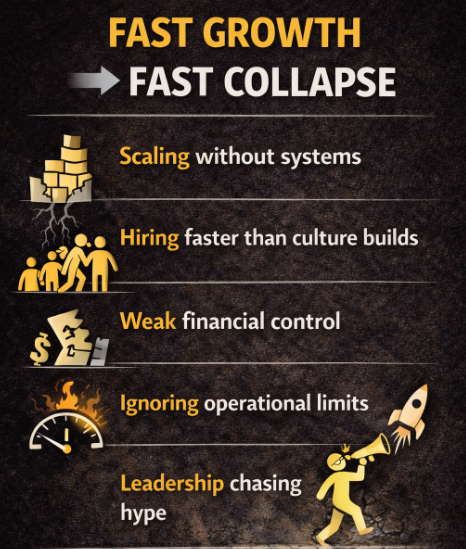
1. Scaling Operations
Managing increased demand can strain resources.
2. Maintaining Quality
Rapid growth can compromise product or service quality.
3. Cash Flow Issues
Growth requires significant investment.
4. Hiring and Team Management
Finding and managing talent is challenging.
5. Market Competition
Competitors may react aggressively.
Best Practices for Sustainable Growth
1. Focus on Customer Experience
Satisfied customers drive repeat business.
2. Optimize Operations
Streamline processes for efficiency.
3. Invest in Technology
Automation enhances productivity.
4. Monitor Performance
Track KPIs regularly.
5. Stay Agile
Adapt quickly to market changes.
Advanced Growth Strategies
1. AI and Machine Learning
Use AI for personalization and predictive analytics.
2. Personalization at Scale
Deliver tailored experiences to customers.
3. Omnichannel Marketing
Engage customers across multiple platforms.
4. Influencer Marketing
Leverage influencers to reach new audiences.
5. Content Marketing
Create valuable content to attract and retain customers.
Real-World Example
Scenario:
A startup aims for rapid growth.
Strategy:
- SEO optimization
- Paid ads on Instagram
- Referral marketing
Result:
- Increased traffic
- Higher conversions
- Rapid revenue growth
Future Trends in Business Growth
1. Digital Transformation
Businesses will increasingly rely on digital platforms.
2. AI Integration
Automation and predictive insights will dominate.
3. Customer-Centric Models
Personalization will become essential.
4. Sustainability
Eco-friendly practices will influence growth.
5. Global Remote Teams
Access to global talent will accelerate scaling.
Step-by-Step Growth Plan
Step 1: Define Clear Goals
Set measurable objectives.
Step 2: Understand Your Audience
Identify customer needs and preferences.
Step 3: Develop a Strategy
Choose the right marketing channels.
Step 4: Execute Campaigns
Implement your growth strategies.
Step 5: Analyze Results
Use data to measure performance.
Step 6: Optimize and Scale
Refine strategies and expand efforts.
Conclusion
Rapid business growth is achievable with the right combination of strategy, execution, and mindset. Businesses that focus on customer needs, leverage technology, and continuously optimize their processes can scale quickly and sustainably.