Table of Contents
ToggleBest Remarketing Campaign: The Complete Guide to Converting Lost Visitors into Customers
In the digital marketing world, not every website visitor becomes a customer on their first visit. Many users browse products, read content, or compare services before making a final decision. This is where remarketing campaigns become extremely valuable.
Remarketing campaigns allow businesses to reconnect with users who have previously interacted with their website or digital content. By displaying targeted ads to these users across different platforms, companies can remind potential customers about their products and encourage them to complete a purchase.
Advertising platforms such as Google Ads and social media platforms like Facebook help businesses run powerful remarketing campaigns that reach users who already showed interest in their brand.
This detailed guide explores remarketing campaigns, their benefits, strategies, tools, and best practices to help businesses improve conversion rates and maximize marketing performance.
What Is a Remarketing Campaign?
A remarketing campaign is a digital advertising strategy that targets users who have previously visited a website, interacted with a brand, or engaged with digital content.
These campaigns show personalized ads to potential customers across different websites, social media platforms, and search engines.
Remarketing helps businesses:
-
reconnect with interested users
-
increase brand awareness
-
encourage users to return to the website
-
improve conversion rates
Advertising platforms like Google Ads allow marketers to create remarketing audiences based on user behavior and interactions.
Why Remarketing Campaigns Are Important
Remarketing campaigns provide several advantages for businesses.
Higher Conversion Rates
Users who have already interacted with a brand are more likely to convert compared to completely new visitors.
Improved Brand Recall
Remarketing ads remind users about products or services they previously viewed.
Better Advertising ROI
Because remarketing targets warm audiences, it often generates better results than traditional advertising.
Personalized Advertising
Remarketing allows businesses to display ads based on specific user behavior and interests.
These benefits make remarketing a powerful tool for digital marketing success.
How Remarketing Campaigns Work
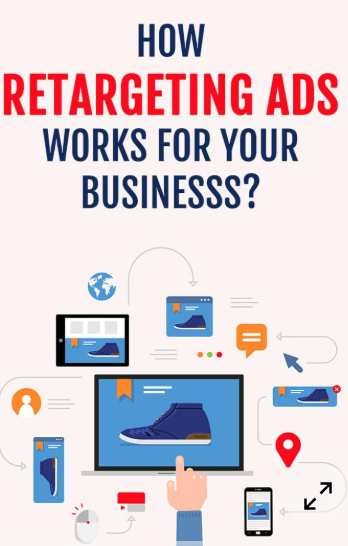
Remarketing campaigns work through tracking technologies such as cookies or tracking pixels.
When users visit a website, a small tracking code records their interaction. Later, advertising platforms use this data to show relevant ads to the same users across the internet.
For example:
-
A user visits an online store and views a product.
-
The website tracking code records the visit.
-
Later, the user sees ads for the same product while browsing other websites.
This process reminds users about their initial interest and encourages them to return.
Analytics tools such as Google Analytics help marketers analyze user behavior and remarketing performance.
Types of Remarketing Campaigns
There are several types of remarketing campaigns used in digital marketing.
Standard Remarketing
Standard remarketing shows ads to users who previously visited a website while they browse other websites or apps.
These ads remind users about the brand and encourage them to return.
Dynamic Remarketing
Dynamic remarketing shows personalized ads featuring the exact products or services users previously viewed.
This strategy is commonly used by e-commerce businesses.
Platforms like Google Ads support dynamic remarketing campaigns.
Search Remarketing
Search remarketing targets users who previously visited a website when they search for related keywords on search engines.
This strategy helps businesses reach high-intent users.
Social Media Remarketing
Social media remarketing allows businesses to display ads to past visitors on social platforms.
Platforms such as:
-
Facebook
-
Instagram
-
LinkedIn
provide advanced audience targeting for remarketing campaigns.
Email Remarketing
Email remarketing targets users who interacted with email campaigns but did not complete desired actions.
This strategy helps businesses re-engage subscribers.
Email marketing platforms such as Mailchimp support remarketing through automated email sequences.
Best Strategies for Successful Remarketing Campaigns
Businesses can use several strategies to improve remarketing campaign performance.
Segment Your Audience
Different visitors have different interests and behaviors.
Segmenting audiences allows marketers to deliver more personalized ads.
Common audience segments include:
-
product viewers
-
cart abandoners
-
previous customers
-
blog readers
Audience segmentation increases campaign effectiveness.
Use Personalized Ads
Personalized ads are more effective than generic advertisements.
Showing users the exact product they viewed increases the chances of conversion.
Dynamic remarketing is especially useful for personalization.
Optimize Ad Frequency
Showing ads too frequently may annoy users.
Marketers should limit the number of times users see remarketing ads.
Proper frequency control ensures better user experience.
Create Strong Call-to-Action
Remarketing ads should encourage users to take action.
Examples of effective calls-to-action include:
-
“Complete your purchase”
-
“Limited-time discount”
Clear messaging improves click-through rates.
Offer Special Incentives
Providing discounts or promotions can encourage users to return and complete purchases.
Examples include:
-
limited-time offers
-
free shipping
-
exclusive discounts
Incentives help convert hesitant buyers.
Best Tools for Remarketing Campaigns
Various marketing tools help businesses manage remarketing campaigns effectively.
Advertising Platforms
Advertising platforms such as Google Ads allow businesses to create remarketing audiences and display targeted ads.
Social Media Advertising Tools
Social platforms such as Facebook provide powerful remarketing capabilities.
Businesses can create custom audiences based on user interactions.
Analytics Tools
Analytics platforms such as Google Analytics help marketers analyze campaign performance and audience behavior.
Marketing Automation Tools
Automation platforms like HubSpot help businesses automate remarketing campaigns and customer engagement.
Measuring Remarketing Campaign Success
To evaluate campaign performance, businesses must track key metrics.
Important remarketing metrics include:
-
click-through rate (CTR)
-
conversion rate
-
cost per acquisition (CPA)
-
return on ad spend (ROAS)
-
audience engagement
Analytics platforms such as Google Analytics provide detailed campaign insights.
Common Remarketing Campaign Mistakes
Despite its effectiveness, remarketing campaigns can fail if not executed properly.
Overexposure to Ads
Showing the same ads repeatedly can annoy users.
Poor Audience Segmentation
Generic targeting reduces campaign effectiveness.
Weak Ad Creatives
Low-quality ads may fail to attract attention.
Ignoring Data Insights
Failing to analyze campaign performance can waste advertising budgets.
Avoiding these mistakes improves remarketing results.
Future Trends in Remarketing Campaigns
Remarketing strategies continue to evolve with new technologies and consumer behavior.
AI-Powered Advertising
Artificial intelligence tools help marketers optimize campaigns automatically.
Privacy-Focused Advertising
Data privacy regulations are influencing remarketing strategies.
Cross-Device Targeting
Marketers can now reach users across multiple devices such as smartphones, tablets, and computers.
Personalized Customer Journeys
Advanced data analysis allows businesses to deliver more personalized remarketing experiences.
These trends will shape the future of remarketing campaigns.
Best Practices for Remarketing Campaigns
Businesses should follow several best practices for remarketing success:
-
segment audiences effectively
-
create personalized ads
-
optimize ad frequency
-
analyze campaign data regularly
-
test different advertising creatives
These strategies help maximize remarketing campaign performance.
Conclusion
Remarketing campaigns are one of the most effective strategies for converting interested visitors into customers. By targeting users who have already interacted with a brand, businesses can increase conversions, improve brand recall, and maximize advertising return on investment.
Platforms such as Google Ads, social media networks like Facebook, and analytics tools such as Google Analytics provide powerful tools for running successful remarketing campaigns.
When implemented correctly, remarketing allows businesses to stay connected with potential customers and guide them through the final stages of the buying journey.