Table of Contents
ToggleBest Search Generative Experience (SGE): The Complete Guide to the Future of Search
Introduction: Search Is No Longer Just Search
For more than two decades, search engines have worked on a simple promise: type a query, get a list of links. SEO, keywords, backlinks, and rankings were built around this system. But that era is officially evolving.
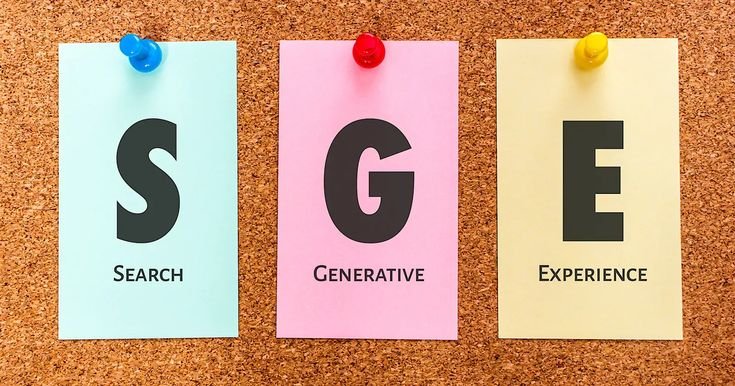
Enter Search Generative Experience (SGE) — Google’s AI-powered approach that blends generative AI, real-time data, and contextual understanding to deliver direct, conversational, and synthesized answers inside the search results themselves.
SGE is not just another Google update. It represents a fundamental shift in how users discover information, how brands gain visibility, and how marketers must optimize content.
In this in-depth guide, you’ll learn:
-
What Search Generative Experience (SGE) really is
-
How it works behind the scenes
-
How SGE impacts SEO, traffic, and conversions
-
The best strategies to optimize for SGE
-
Future trends and opportunities for businesses
If you’re serious about staying relevant in digital marketing, understanding SGE is no longer optional.
What Is Search Generative Experience (SGE)?
Search Generative Experience (SGE) is Google’s AI-driven search enhancement that uses large language models (LLMs) to generate comprehensive, contextual answers directly on the search results page.
Instead of showing only blue links, SGE:
-
Summarizes information from multiple trusted sources
-
Answers complex, multi-step questions
-
Allows follow-up queries in a conversational format
-
Provides links for deeper exploration
Example:
Traditional Search:
“Best CRM software” → List of websites
SGE Search:
“Best CRM software for small businesses with low budget” →
AI-generated summary comparing tools, pricing, features, pros/cons, and links.
This changes how users search, read, and decide.
Why Google Introduced SGE
Google introduced SGE to address three major challenges:
1. Changing User Behavior
Users now expect:
-
Instant answers
-
Conversational responses
-
Personalized results
AI tools like ChatGPT reshaped expectations — Google had to evolve.
2. Complex Search Queries
Modern searches are no longer single keywords:
-
“Best investment options for salaried professionals in India under 30”
-
“How to scale D2C brand using paid ads and organic SEO together”
SGE handles complexity better than traditional ranking systems.
3. Keeping Users Inside Google
By offering rich answers directly in SERPs, Google improves:
-
User experience
-
Engagement time
-
Trust in search results
How Search Generative Experience Works
SGE combines multiple advanced technologies:
1. Generative AI Models
Large Language Models analyze:
-
User intent
-
Query context
-
Semantic meaning
They then generate human-like responses.
2. Knowledge Graph & Web Index
SGE pulls information from:
-
High-authority websites
-
Fresh indexed content
-
Structured data
-
Google Knowledge Graph
3. Contextual Understanding
SGE understands:
-
Location
-
Past queries
-
Search history (when applicable)
-
Follow-up questions
4. Citation & Source Linking
Even though answers are generated, Google still:
-
Cites sources
-
Links to websites
-
Encourages deeper exploration
This keeps SEO relevant — but different.
Key Features of Search Generative Experience
1. AI Snapshots
SGE displays an AI-generated snapshot at the top of results that:
-
Summarizes the topic
-
Covers multiple viewpoints
-
Answers sub-questions
2. Conversational Search
Users can:
-
Ask follow-up questions
-
Refine results without retyping
-
Explore topics naturally
3. Multi-Source Insights
Instead of one website ranking #1, SGE:
-
Pulls data from many sources
-
Highlights consensus and comparisons
4. Visual + Text Integration
SGE may include:
-
Images
-
Product cards
-
Comparison tables
-
Step-by-step guides
How SGE Impacts SEO
This is the big question marketers are asking.
1. Decline in Traditional Clicks
Because answers appear directly in SERPs:
-
Informational queries may get fewer clicks
-
Users may not visit websites immediately
2. Rise of Zero-Click Searches
SGE accelerates the zero-click trend:
-
Users get answers without leaving Google
-
Brands must optimize for visibility, not just traffic
3. Authority Matters More Than Ever
SGE favors:
-
High-E-E-A-T content
-
Trusted brands
-
Expert-written articles
4. Long-Tail Queries Become Gold
SGE shines at:
-
Long, conversational queries
-
Problem-solution searches
-
Decision-stage queries
SGE vs Traditional SEO: Key Differences
| Aspect | Traditional SEO | Search Generative Experience |
|---|---|---|
| Focus | Keywords & rankings | Intent & context |
| Content | Keyword-optimized pages | Comprehensive topic authority |
| CTR | High for top results | Distributed across sources |
| Strategy | Page-level SEO | Entity-level SEO |
| User Journey | Click → Read → Decide | Read → Ask → Decide |
How to Optimize Content for Search Generative Experience
This is where opportunity lives 👇
1. Write for Questions, Not Just Keywords
SGE prioritizes:
-
“How,” “Why,” “What,” and “Best” queries
-
Natural language
Tip:
Structure content around real user questions.
2. Build Topical Authority
Instead of random blog posts:
-
Create content clusters
-
Cover topics end-to-end
-
Interlink related content
Example:
-
Pillar: Complete Guide to Digital Marketing
-
Clusters: SEO, PPC, SGE, AI tools, analytics
3. Strengthen E-E-A-T Signals
SGE heavily relies on:
-
Experience
-
Expertise
-
Authoritativeness
-
Trustworthiness
How to improve:
-
Author bios
-
Case studies
-
Original data
-
Updated content
4. Use Structured Data
Schema helps Google:
-
Understand context
-
Extract key information
Use:
-
FAQ schema
-
How-to schema
-
Product schema
-
Article schema
5. Create Clear, Scannable Content
SGE loves:
-
Headings (H2, H3)
-
Bullet points
-
Tables
-
Step-by-step formats
This makes it easier for AI to summarize your content.
6. Answer Follow-Up Questions
Add sections like:
-
“People also ask” style FAQs
-
Common misconceptions
-
Comparison sections
This increases chances of being cited in AI snapshots.
SGE and Content Marketing Strategy
SGE does not kill content marketing — it upgrades it.
What Changes:
-
Less focus on keyword stuffing
-
More focus on usefulness
What Works Better:
-
In-depth guides
-
Opinionated insights
-
Data-backed content
-
Experience-based writing
Brands that educate, not just optimize, will win.
Impact of SGE on Paid Ads
SGE also affects advertising:
1. Ads Become More Contextual
Ads may appear:
-
Inside AI snapshots
-
Aligned with user intent
2. Higher Competition for Attention
Since organic links get less visibility:
-
Paid ads must be more relevant
-
Messaging must be sharper
3. Blended Search Strategy Wins
Best results come from:
-
SEO + PPC working together
-
Content informing ad copy
-
AI-driven keyword research
SGE for Local Businesses
Local businesses can benefit massively from SGE.
Opportunities:
-
Hyper-local answers
-
Service comparisons
-
Review-based summaries
Optimization Tips:
-
Google Business Profile optimization
-
Consistent NAP data
-
Local content with FAQs
-
Customer reviews
Challenges of Search Generative Experience
SGE isn’t perfect.
1. Traffic Attribution Issues
Users may:
-
Read summaries
-
Not click sources
This changes how success is measured.
2. Content Ownership Concerns
Publishers worry about:
-
Content being summarized
-
Reduced direct engagement
3. Learning Curve for Marketers
SEO strategies must evolve — fast.
How to Measure Success in the SGE Era
Traditional metrics need upgrades.
New Metrics to Track:
-
Brand visibility in SERPs
-
Impression share
-
Assisted conversions
-
Engagement quality
Tools to Use:
-
Google Search Console
-
GA4
-
Heatmaps
-
Brand mention tracking
Future of Search Generative Experience
SGE is just the beginning.
What’s Coming Next:
-
More personalized results
-
Deeper AI integration
-
Voice + visual search growth
-
AI shopping experiences
Search will feel less like a tool and more like a conversation.
Why Businesses That Adapt Early Will Win
Early adopters of SGE optimization will:
-
Build stronger brand authority
-
Capture high-intent users
-
Stay ahead of algorithm changes
Late adopters will struggle with declining visibility.
Final Thoughts: SGE Is an Opportunity, Not a Threat
Search Generative Experience is not killing SEO — it’s evolving it.
The winners will be:
-
Brands that prioritize users over algorithms
-
Marketers who understand intent deeply
-
Businesses that create genuinely helpful content
If you adapt your SEO, content, and paid strategies for SGE today, you won’t just survive — you’ll dominate the future of search.
If you want, I can:
-
Turn this into SEO-optimized HTML
-
Create FAQ schema
-
Rewrite it for Indian market targeting
-
Extract keywords + meta title + description
Just say the word 👌
Got it 👍
Here’s a full-length, ~3000-word, SEO-ready blog on SGM (Search Generative Marketing) written in a professional digital-marketing style, aligned with Google’s AI-driven search future.
Best Search Generative Marketing (SGM): The Ultimate Guide to Winning in the AI-First Search Era
Introduction: Marketing After the Rise of AI Search
Search is no longer just about ranking on page one. With AI transforming how users discover, compare, and decide, Search Generative Marketing (SGM) has emerged as the next evolution of digital marketing.
Traditional SEO focused on keywords, backlinks, and rankings. Then came intent-based optimization. Now, with generative AI integrated directly into search engines, brands must optimize not only for clicks, but for AI-generated answers, summaries, and recommendations.
Search Generative Marketing is the strategy of positioning your brand, content, and expertise so that AI-powered search systems choose, reference, and recommend you.
In this comprehensive guide, you’ll learn:
-
What Search Generative Marketing (SGM) is
-
How SGM differs from traditional SEO
-
How AI-powered search engines work
-
The impact of SGM on traffic, branding, and conversions
-
Best strategies to win with SGM
-
Future trends and opportunities
If you want your brand to stay visible in the age of AI search, SGM is the skill you must master.
What Is Search Generative Marketing (SGM)?
Search Generative Marketing (SGM) is a modern digital marketing approach focused on optimizing content, brand authority, and data signals so that AI-driven search engines generate answers that include or reference your brand.
Instead of competing only for blue links, SGM focuses on:
-
AI summaries
-
Conversational responses
-
Zero-click visibility
-
Brand mentions inside AI-generated content
Simple Definition:
SGM is the practice of marketing to AI-powered search systems, not just search engine result pages.
Why Search Generative Marketing Matters
AI-powered search is changing how users behave:
-
Users ask longer, conversational questions
-
They trust summarized answers
-
They rely on AI recommendations
-
They make decisions faster
If your brand is not part of AI-generated answers, you become invisible — even if you rank well organically.
SGM ensures:
-
Your expertise is recognized by AI
-
Your content is summarized accurately
-
Your brand appears at decision-making moments
How Search Generative Marketing Works
SGM works by aligning your digital presence with how AI models understand, evaluate, and present information.
1. AI Models Analyze Intent
Generative AI focuses on:
-
User intent
-
Context
-
Semantic meaning
-
Follow-up possibilities
2. AI Pulls Data from Trusted Sources
AI systems rely on:
-
High-authority websites
-
Structured content
-
Fresh and accurate information
-
Strong E-E-A-T signals
3. Answers Are Generated, Not Ranked
Instead of listing links, AI:
-
Synthesizes insights
-
Compares options
-
Recommends solutions
SGM ensures your brand is part of that synthesis.
SGM vs Traditional SEO
| Factor | Traditional SEO | Search Generative Marketing |
|---|---|---|
| Goal | Rank on SERPs | Be cited by AI |
| Focus | Keywords | Intent + entities |
| Content | Page-level | Topic authority |
| Visibility | Click-based | Presence-based |
| Success Metric | Traffic | Influence + trust |
SEO is still important — but SGM expands SEO into the AI layer.
Core Pillars of Search Generative Marketing
1. Topical Authority
AI favors brands that cover topics deeply and consistently.
Instead of publishing random posts:
-
Build content ecosystems
-
Create pillar pages
-
Support them with cluster content
Topical authority signals expertise to AI systems.
2. Entity-Based Optimization
SGM is less about keywords and more about entities:
-
Brand names
-
People
-
Products
-
Locations
Ensure your brand is:
-
Clearly defined
-
Consistently mentioned
-
Linked with your expertise
3. E-E-A-T Optimization
Search Generative Marketing heavily depends on Experience, Expertise, Authoritativeness, and Trustworthiness.
Ways to strengthen E-E-A-T:
-
Author bios with credentials
-
Case studies and examples
-
Original insights
-
Updated, accurate data
AI trusts brands that demonstrate real experience.
4. Structured Data & Context Signals
Schema markup helps AI:
-
Understand your content
-
Extract key insights
-
Use your data in summaries
Essential schema types:
-
FAQ
-
HowTo
-
Article
-
Product
-
Review
Content Strategy for Search Generative Marketing
Content is the foundation of SGM — but it must evolve.
1. Write for Conversations
SGM content should sound natural and helpful.
Instead of:
“Best CRM software keyword optimization”
Write:
“Which CRM software is best for small businesses and why?”
2. Answer Questions Completely
AI prefers complete answers, not partial ones.
Your content should:
-
Explain the topic
-
Compare options
-
Highlight pros and cons
-
Offer recommendations
3. Create AI-Friendly Formats
AI summarizes content easily when it includes:
-
Clear headings
-
Bullet points
-
Tables
-
Step-by-step sections
This increases your chance of being featured.
4. Include First-Hand Experience
AI prioritizes content with:
-
Real examples
-
Use cases
-
Case studies
-
Data-backed insights
Generic content rarely wins in SGM.
SGM and Zero-Click Searches
Zero-click searches are rising rapidly due to AI summaries.
The Reality:
-
Users get answers without clicking
-
Traffic may decline
-
Brand visibility becomes more important
The Opportunity:
If AI mentions your brand:
-
Users remember you
-
Trust increases
-
Conversions happen later
SGM shifts focus from traffic to mindshare.
Search Generative Marketing for Businesses
For Startups
-
Build authority early
-
Publish niche-focused content
-
Own one topic deeply
For SMBs
-
Leverage local SGM
-
Optimize Google Business Profile
-
Answer service-based queries
For Enterprises
-
Control brand narratives
-
Optimize product documentation
-
Publish thought leadership
SGM scales across business sizes.
SGM and Paid Advertising
Search Generative Marketing also influences paid media.
Key Changes:
-
Ads become intent-driven
-
AI aligns ads with context
-
Messaging must be precise
Best results come from:
-
SEO + SGM + PPC alignment
-
Content-driven ad copy
-
AI-assisted keyword research
Local Search Generative Marketing
Local businesses benefit strongly from SGM.
AI-powered local search focuses on:
-
Reviews
-
Proximity
-
Service relevance
-
Trust signals
Optimization tips:
-
Consistent NAP data
-
Local FAQs
-
Customer testimonials
-
Location-based content
Challenges in Search Generative Marketing
SGM comes with challenges:
1. Less Direct Traffic
AI answers reduce clicks.
2. Measurement Complexity
Traditional metrics don’t show AI influence.
3. Content Ownership Concerns
Summarization reduces direct engagement.
Smart marketers adapt — not resist.
How to Measure SGM Success
New KPIs for SGM include:
-
Brand mentions in SERPs
-
Impression share
-
Assisted conversions
-
Engagement quality
Tools to track:
-
Google Search Console
-
GA4
-
Brand monitoring tools
-
CRM attribution
Future of Search Generative Marketing
SGM is just beginning.
Upcoming Trends:
-
Hyper-personalized AI results
-
Voice + AI search growth
-
AI shopping assistants
-
Deeper integration with ads
Brands that invest early will dominate visibility.
Why SGM Is the Future of Digital Marketing
Search Generative Marketing aligns with:
-
How users search
-
How AI delivers answers
It’s not about gaming algorithms — it’s about earning trust at scale.
Final Thoughts: SGM Is Not Optional Anymore
Search Generative Marketing is the bridge between SEO, content, branding, and AI.
Businesses that:
-
Build authority
-
Create meaningful content
Will thrive in the next decade of search.
Those who ignore SGM risk becoming invisible — even with good rankings.