Table of Contents
ToggleThe Ultimate Guide to Search Ranking Improvement in 2026
(A Complete 3000-Word Action Plan for Dominating Google Search Results)
Search ranking improvement is no longer just about inserting keywords and building random backlinks. In 2026, search engine optimization (SEO) is a strategic, data-driven, user-focused discipline powered by advanced algorithms, artificial intelligence, and user behavior signals.
Search engines like Google use AI systems such as Google RankBrain and Google BERT to understand intent, context, and user satisfaction — not just keywords.
If you want sustainable rankings, consistent traffic, and long-term digital dominance, this guide will walk you step-by-step through the most effective search ranking improvement strategies.
Table of Contents
-
Understanding How Search Rankings Work
-
Keyword Strategy That Wins in 2026
-
Content Optimization Framework
-
Technical SEO for Higher Rankings
-
On-Page SEO Mastery
-
High-Authority Link Building
-
Core Web Vitals & User Experience
-
Behavioral Signals & Engagement Optimization
-
Local SEO Ranking Improvements
-
SEO Tools That Accelerate Growth
-
AI & the Future of Search Rankings
-
90-Day Search Ranking Action Plan
1. Understanding How Search Rankings Work
Search rankings are determined by three core pillars:
1. Relevance
How well your content matches search intent.
2. Authority
How trustworthy your website appears based on backlinks and reputation.
3. User Experience
How users interact with your website (bounce rate, dwell time, engagement).
Search engines evaluate:
-
Keyword context
-
Content depth
-
Website structure
-
Page speed
-
Mobile responsiveness
-
Backlink quality
-
Engagement signals
Modern search is intent-first, not keyword-first.
2. Keyword Strategy That Wins in 2026
Step 1: Intent-Based Keyword Research
Use tools like:
-
Ahrefs
-
SEMrush
-
Google Keyword Planner
Focus on:
-
Informational keywords
-
Transactional keywords
-
Commercial investigation keywords
-
Navigational keywords
Long-tail keywords convert better and rank faster.
Example:
Instead of:
“SEO”
Use:
“best SEO strategy for ecommerce in 2026”
Step 2: Competitor Keyword Gap Analysis
Identify what your competitors rank for but you don’t.
Analyze:
-
Top-performing pages
-
Backlink profiles
-
Content depth
-
SERP features
3. Content Optimization Framework
Content is the foundation of ranking improvement.
A. Use the Topic Cluster Model
Create:
-
1 Pillar page (broad topic)
-
10–15 Supporting articles (long-tail topics)
Interlink them strategically.
B. Optimize for Semantic SEO
Search engines understand context.
Include:
-
Synonyms
-
Related phrases
-
FAQs
-
Structured subtopics
Use natural language.
C. E-E-A-T Optimization
Google emphasizes:
-
Experience
-
Expertise
-
Authoritativeness
-
Trustworthiness
Improve by:
-
Author bios
-
Citing reputable sources
-
Updating content regularly
-
Adding case studies
4. Technical SEO for Higher Rankings
Technical SEO ensures search engines can crawl and index your site properly.
Essential Technical Factors:
1. Website Speed
Use:
-
Google PageSpeed Insights
Improve:
-
Image compression
-
Lazy loading
-
CDN usage
2. Mobile Optimization
Over 70% of traffic is mobile.
Ensure:
-
Responsive design
-
Fast mobile load times
-
Touch-friendly elements
3. Crawlability & Indexing
Check:
-
XML sitemap
-
Robots.txt
-
Broken links
-
404 errors
Use:
-
Google Search Console
4. Schema Markup
Implement structured data to gain:
-
Rich snippets
-
FAQ results
-
Review stars
-
Product snippets
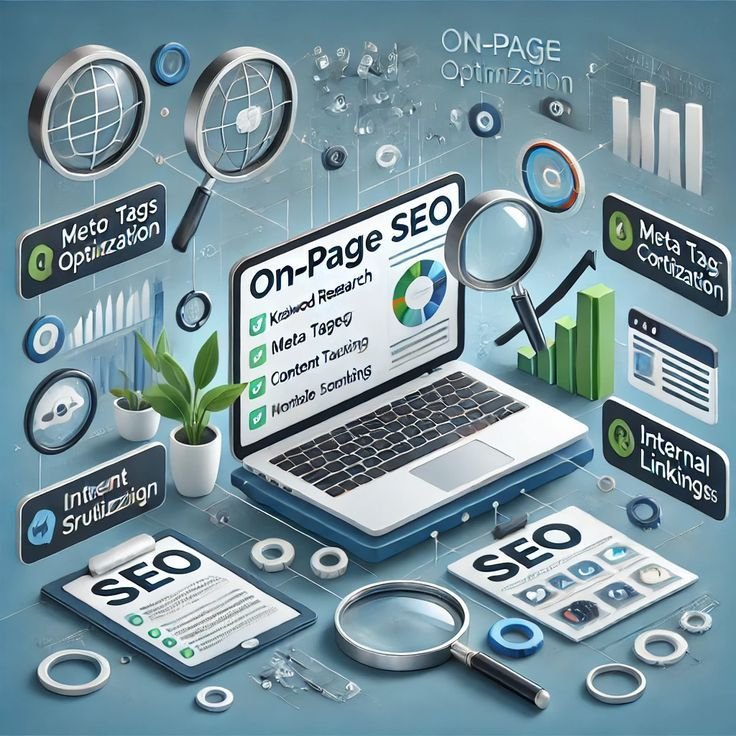
5. On-Page SEO Mastery
On-page optimization still matters — but strategically.
Optimize:
Title Tags
-
Primary keyword
-
Emotional trigger
-
50–60 characters
Meta Descriptions
-
Benefit-driven copy
-
Clear CTA
-
150–160 characters
Header Tags
Use:
-
H1 once
-
H2, H3 strategically
Internal Linking
Link:
-
Pillar to cluster
-
Blog to service pages
-
High authority pages to new content
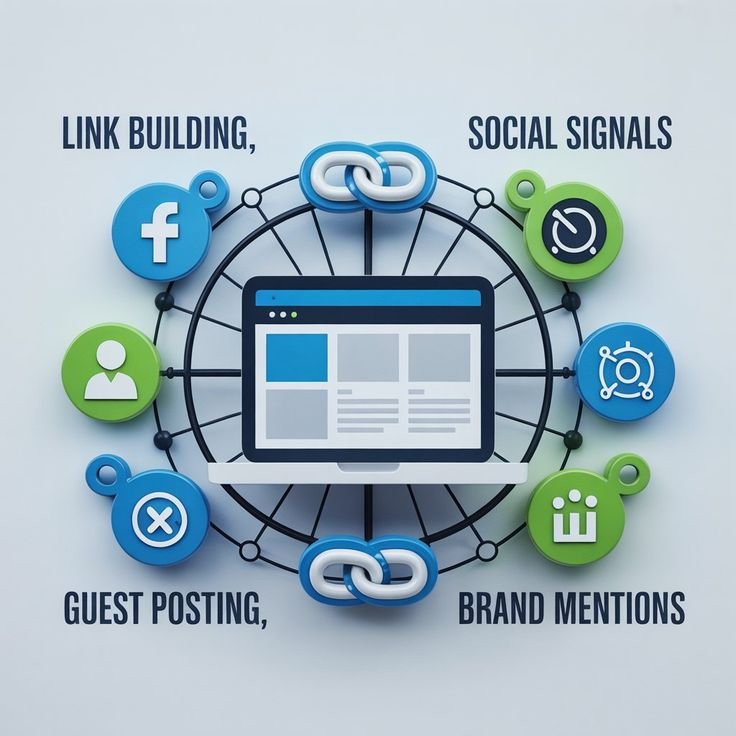
6. High-Authority Link Building
Backlinks remain a top ranking factor.
Best Link Building Methods:
1. Guest Posting
Write for high-authority websites.
2. Digital PR
Create:
-
Research reports
-
Data studies
-
Trend insights
Pitch journalists.
3. Skyscraper Technique
Find high-ranking content.
Improve it.
Outreach to backlink sources.
4. Broken Link Building
Find broken links on authoritative sites.
Suggest your content as replacement.
Quality > Quantity.
7. Core Web Vitals & UX Optimization
Core Web Vitals include:
-
LCP (Loading Performance)
-
FID (Interactivity)
-
CLS (Visual Stability)
Improve by:
-
Reducing JS
-
Optimizing fonts
-
Using fast hosting
-
Minimizing layout shifts
Better UX = Higher rankings.
8. Behavioral Signals & Engagement Optimization
Google tracks:
-
Click-through rate (CTR)
-
Bounce rate
-
Dwell time
-
Scroll depth
Improve engagement by:
-
Adding videos
-
Using infographics
-
Improving readability
-
Writing compelling introductions
Content must hook users in the first 10 seconds.
9. Local SEO Ranking Improvements
If you serve a local audience, optimize for local search.
Step 1: Optimize Google Business Profile
Add:
-
Photos
-
Reviews
-
Accurate NAP
-
Service categories
Step 2: Build Local Citations
List business on:
-
Directories
-
Industry sites
-
Local listings
Step 3: Encourage Reviews
Reviews increase trust and CTR.
10. SEO Tools That Accelerate Growth
Top tools:
-
Ahrefs
-
SEMrush
-
Screaming Frog SEO Spider
-
Surfer SEO
These tools help track rankings, audit technical issues, and analyze competitors.
11. AI & The Future of Search Rankings
AI is reshaping search.
Search engines now understand:
-
Search intent
-
Content depth
-
Contextual meaning
-
Conversational queries
Voice search and AI-generated answers are growing.
To rank:
-
Write naturally
-
Answer questions clearly
-
Use FAQ sections
12. 90-Day Search Ranking Improvement Plan
Month 1: Foundation
-
Full SEO audit
-
Fix technical issues
-
Keyword research
-
Optimize existing pages
Month 2: Content & Authority
-
Publish 8–12 optimized articles
-
Launch pillar page
-
Start link-building campaign
Month 3: Growth Acceleration
-
Improve Core Web Vitals
-
Add schema markup
-
Update old content
-
Track ranking improvements
Measure weekly.
Adjust monthly.
Common Search Ranking Mistakes to Avoid
-
Keyword stuffing
-
Buying spam backlinks
-
Ignoring mobile optimization
-
Publishing thin content
-
Not updating old content
-
Duplicate pages
Advanced Ranking Strategies for 2026
1. Programmatic SEO
Create scalable landing pages for long-tail queries.
2. Topical Authority Domination
Cover one niche deeply before expanding.
3. Content Refresh Strategy
Update old high-performing posts quarterly.
4. Zero-Click Optimization
Optimize for:
-
Featured snippets
-
People Also Ask
-
Knowledge panels
Final Thoughts
Search ranking improvement is a long-term strategy, not a quick hack.
To win in 2026:
-
Focus on user intent
-
Build topical authority
-
Optimize technically
-
Improve user experience
-
Earn high-quality backlinks
-
Update content consistently
Search engines reward value, relevance, and trust.
If you implement the strategies outlined in this guide consistently for 90 days, you will see measurable ranking improvements, increased organic traffic, and higher conversions.
SEO is not about gaming the system.
It’s about building the best answer on the internet.