Table of Contents
ToggleBest Startup Online Marketing: A Complete Guide to Building Growth in the Digital Era
In today’s digital-first world, startups must establish a strong online presence to compete with established brands. Online marketing helps startups reach their target audience, generate leads, build brand awareness, and drive sales without requiring massive advertising budgets.
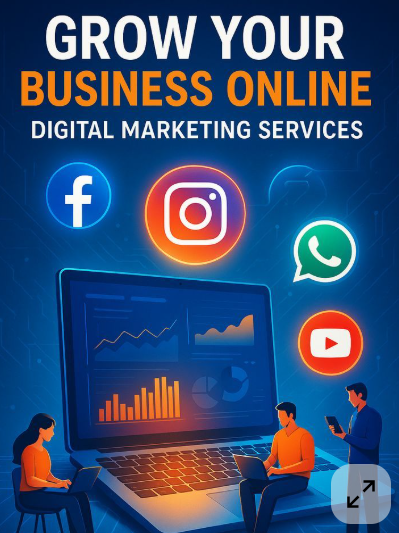
With the growth of digital platforms like Facebook, Instagram, LinkedIn, and YouTube, startups now have powerful channels to promote their products and services globally.
This comprehensive guide explains the best startup online marketing strategies, tools, benefits, and techniques to help startups grow faster and build a sustainable digital presence.
What is Startup Online Marketing?
Startup online marketing refers to the use of digital channels and internet-based tools to promote products, services, and brands. Unlike traditional marketing, online marketing allows startups to reach targeted audiences, track performance, and optimize campaigns in real time.
Common online marketing channels include:
-
Search engine optimization (SEO)
-
Content marketing
-
Social media marketing
-
Email marketing
-
Paid advertising
-
Influencer marketing
-
Video marketing
By using the right strategies, startups can attract potential customers and convert them into loyal clients.
Why Online Marketing is Important for Startups
Startups often operate with limited budgets and small teams. Online marketing provides cost-effective ways to promote businesses and compete with larger companies.
1. Global Reach
Online marketing enables startups to reach customers worldwide. Platforms like Facebook and Instagram allow businesses to connect with millions of users across different regions.
2. Cost-Effective Marketing
Compared to traditional advertising methods like TV or print ads, digital marketing offers lower costs and higher returns.
Startups can start marketing campaigns with minimal investment and scale them gradually.
3. Targeted Advertising
Online marketing allows businesses to target specific audiences based on:
-
Age
-
Gender
-
Location
-
Interests
-
Online behavior
Platforms such as Google Ads offer advanced targeting options.
4. Measurable Results
Digital marketing tools provide detailed analytics that help startups track:
-
Website traffic
-
Lead generation
-
Conversion rates
-
Customer engagement
This data enables businesses to optimize campaigns for better performance.
Key Startup Online Marketing Strategies
Successful startup marketing requires a combination of multiple strategies. Below are the most effective online marketing approaches.
1. Search Engine Optimization (SEO)
Search engine optimization helps startups improve their website visibility in search engines.
The most popular search engine is Google Search, where millions of users search for products and services daily.
SEO involves:
-
Keyword research
-
On-page optimization
-
Content creation
-
Technical SEO
-
Link building
Benefits of SEO for startups:
-
Organic website traffic
-
Long-term brand visibility
-
Higher credibility
-
Cost-effective marketing
Startups that invest in SEO can achieve consistent traffic growth over time.
2. Content Marketing
Content marketing involves creating valuable content to attract and educate potential customers.
Common content formats include:
-
Blog articles
-
Guides and tutorials
-
Infographics
-
Case studies
-
Videos
-
Podcasts
For example, startups can publish videos on YouTube explaining their products or industry insights.
Benefits of content marketing include:
-
Brand authority
-
Improved SEO rankings
-
Audience trust
-
Increased engagement
Content marketing also supports other marketing channels such as email marketing and social media.
3. Social Media Marketing
Social media platforms play a major role in startup marketing strategies.
Popular platforms include:
-
Facebook
-
Instagram
-
LinkedIn
-
YouTube
Social media marketing allows startups to:
-
Build brand awareness
-
Engage with customers
-
Promote products
-
Run advertising campaigns
Startups can share:
-
Educational posts
-
Behind-the-scenes content
-
Product demos
-
Customer testimonials
Consistent social media activity helps brands grow their online communities.
4. Email Marketing
Email marketing remains one of the highest ROI marketing channels.
Startups use email marketing to communicate with customers through newsletters, promotions, and updates.
Popular email marketing platforms include Mailchimp and HubSpot.
Common email marketing campaigns include:
-
Welcome emails
-
Product announcements
-
Promotional offers
-
Customer onboarding emails
-
Re-engagement campaigns
Email marketing helps startups build long-term relationships with their audience.
5. Paid Advertising
Paid advertising enables startups to quickly attract customers and generate leads.
Major advertising platforms include:
-
Google Ads
-
Facebook Ads
-
Instagram Ads
-
YouTube Ads
Types of online ads include:
-
Search ads
-
Display ads
-
Video ads
-
Social media ads
-
Retargeting ads
Paid advertising provides immediate traffic and helps startups test different marketing strategies.
6. Influencer Marketing
Influencer marketing has become a powerful strategy for startups.
Influencers promote products to their followers through social media platforms like Instagram and YouTube.
Benefits include:
-
Increased brand trust
-
Larger audience reach
-
Authentic product recommendations
Micro-influencers are particularly useful for startups because they have highly engaged audiences.
7. Video Marketing
Video content has become one of the most engaging forms of online marketing.
Platforms like YouTube allow startups to share educational and promotional videos.
Types of marketing videos include:
-
Product demonstrations
-
Customer testimonials
-
Tutorials
-
Brand storytelling videos
Video marketing helps explain products and create stronger emotional connections with customers.
Best Online Marketing Tools for Startups
Choosing the right marketing tools improves campaign efficiency and results.
1. HubSpot
HubSpot offers a complete marketing platform including CRM, email automation, and analytics.
2. Mailchimp
Mailchimp is widely used for email marketing campaigns and audience segmentation.
3. Google Analytics
Google Analytics helps startups analyze website traffic and customer behavior.
4. Canva
Canva allows startups to create marketing visuals, social media graphics, and presentations easily.
Startup Online Marketing Funnel
A marketing funnel guides potential customers through the buying process.
Typical funnel stages include:
Awareness
Customers discover the brand through SEO, social media, or ads.
Interest
Customers explore blog content, videos, and product information.
Consideration
Customers compare solutions and read reviews.
Conversion
Customers purchase products or services.
Retention
Businesses nurture customers through email marketing and loyalty programs.
Automation tools help manage each stage of the funnel efficiently.
Benefits of Startup Online Marketing
Online marketing offers several advantages for startups.
Faster Brand Growth
Digital marketing increases brand awareness and online visibility.
Better Customer Targeting
Startups can reach audiences who are most likely to purchase their products.
Data-Driven Decisions
Marketing analytics provide insights for improving campaigns.
Higher Conversion Rates
Targeted marketing campaigns generate more sales and leads.
Challenges in Startup Online Marketing
Despite its advantages, online marketing also presents challenges.
High Competition
Many startups compete for attention in the digital marketplace.
Algorithm Changes
Platforms frequently update their algorithms, affecting visibility and engagement.
Content Saturation
Millions of new content pieces are published daily, making it harder to stand out.
Best Practices for Startup Online Marketing
Startups should follow these proven strategies.
Focus on Target Audience
Understand your ideal customers and tailor marketing campaigns accordingly.
Invest in High-Quality Content
Valuable content builds trust and authority in your industry.
Use Multiple Marketing Channels
Combining SEO, social media, email marketing, and ads improves marketing effectiveness.
Monitor Analytics
Tracking campaign performance helps optimize marketing strategies.
Future Trends in Startup Online Marketing
Digital marketing continues to evolve with new technologies.
Key trends include:
Artificial Intelligence Marketing
AI helps analyze customer behavior and optimize campaigns.
Voice Search Optimization
Voice assistants are changing how people search online.
Short-Form Video Marketing
Platforms like YouTube Shorts and social media reels are becoming popular marketing formats.
Personalization
Customers expect personalized experiences across digital channels.
Conclusion
Startup online marketing is essential for building brand awareness, attracting customers, and driving long-term business growth. By combining strategies such as SEO, content marketing, social media marketing, email campaigns, and paid advertising, startups can compete effectively in the digital marketplace.
Digital platforms like Facebook, Instagram, LinkedIn, and YouTube provide powerful opportunities for startups to connect with audiences and promote their products.