Table of Contents
ToggleThe Ultimate Guide to Testimonial Marketing (2026 Edition)
In today’s competitive digital world, trust is the new currency. Consumers don’t just believe brands—they believe other customers. That’s why testimonial marketing has become one of the most powerful strategies for increasing conversions, building credibility, and accelerating business growth.
Whether you’re selling services, SaaS, eCommerce products, coaching programs, or high-ticket offers, testimonials can dramatically improve your marketing performance across platforms like Google, Instagram, YouTube, and LinkedIn.
This comprehensive 3000-word guide will teach you:
-
What testimonial marketing is
-
Why it works psychologically
-
Types of testimonials
-
How to collect powerful testimonials
-
How to use testimonials in ads, websites, and social media
-
Advanced testimonial marketing strategies
-
Common mistakes to avoid
Let’s dive in.
What Is Testimonial Marketing?
Testimonial marketing is the strategic use of customer feedback, reviews, case studies, and endorsements to influence potential buyers.
Unlike traditional advertising where brands promote themselves, testimonial marketing uses social proof—real customer experiences—to build trust.
It answers the most important buying question:
“Will this work for me?”
When prospects see others getting results, their skepticism decreases and confidence increases.
Why Testimonial Marketing Works (Psychology Behind It)
Testimonial marketing works because it taps into powerful psychological triggers.
1. Social Proof Principle
Psychologist Robert Cialdini introduced the concept of social proof in his book Influence. The principle states that people look to others when making decisions.
If others trust you, new customers are more likely to trust you too.
2. Risk Reduction
Buying always involves risk.
Testimonials reduce perceived risk by showing:
-
Real results
-
Real experiences
-
Real transformation
This makes purchasing feel safer.
3. Emotional Connection
Stories create emotional engagement. A testimonial that explains a struggle, journey, and outcome is far more powerful than a feature list.
4. Authority and Credibility
When testimonials come from:
-
Industry experts
-
Recognizable professionals
-
Verified users
They increase your authority significantly.
Types of Testimonials That Convert
Not all testimonials are equal. Let’s explore the most effective formats.
1. Short Text Testimonials
These are simple quotes from customers.
Best for:
-
Website homepage
-
Landing pages
-
Email campaigns
Keep them specific and outcome-focused.
Weak testimonial:
“Great service.”
Strong testimonial:
“We increased our revenue by 42% in 90 days.”
Specificity builds credibility.
2. Video Testimonials
Video testimonials are highly persuasive because they show:
-
Facial expressions
-
Tone of voice
-
Authentic emotion
They perform exceptionally well on YouTube and Instagram.
Why video works:
-
Harder to fake
-
Feels personal
-
Builds stronger trust
3. Case Studies
Case studies are detailed testimonials showing:
-
The problem
-
The solution
-
The process
-
The measurable results
Best for:
-
B2B businesses
-
Agencies
-
SaaS companies
They work extremely well on LinkedIn.
4. Before-and-After Testimonials
Perfect for:
-
Fitness brands
-
Skincare
-
Consulting
-
Coaching
Visual transformation increases impact.
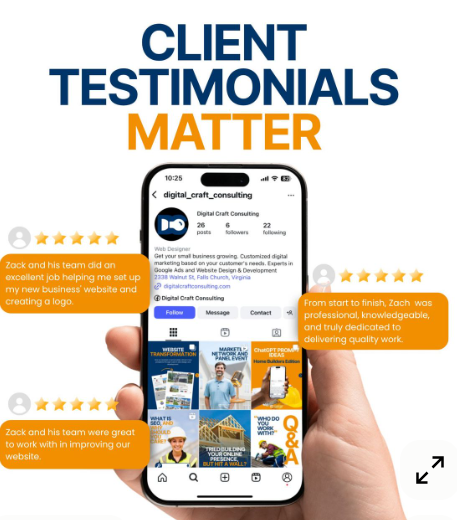
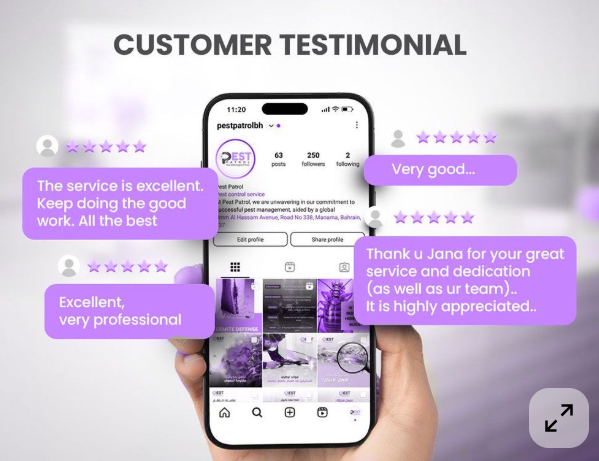
5. Social Media Testimonials
Screenshots of:
-
DMs
-
Comments
-
Tweets
-
Stories
These feel organic and authentic.
6. Influencer Testimonials
Endorsements from industry personalities or micro-influencers can increase reach and trust.
How to Collect Powerful Testimonials
Most businesses struggle not because customers won’t give testimonials—but because they don’t ask properly.
Here’s how to do it right.
Step 1: Ask at the Right Time
Best moments:
-
After a successful result
-
After positive feedback
-
After project completion
-
After milestone achievement
Timing increases response rates.
Step 2: Guide the Customer
Don’t ask:
“Can you write a testimonial?”
Instead ask structured questions:
-
What problem were you facing?
-
Why did you choose us?
-
What results did you achieve?
-
What would you say to someone considering us?
Guided testimonials are stronger and more detailed.
Step 3: Make It Easy
Provide:
-
A simple Google Form
-
A short video script
-
A template
The easier it is, the more responses you’ll get.
Step 4: Get Permission
Always ask permission before using testimonials publicly.
Ethical marketing builds long-term trust.
Where to Use Testimonials for Maximum Impact
1. Homepage
Your homepage should include:
-
3–5 strong testimonials
-
Real names
-
Photos if possible
Place testimonials:
-
After benefits section
-
Before call-to-action
2. Landing Pages
Testimonials should match the specific offer.
If it’s a high-ticket program, show testimonials about that exact program.
3. Sales Pages
Use:
-
Case studies
-
Revenue results
-
Specific transformations
Testimonials near pricing sections reduce hesitation.
4. Paid Ads
Testimonials work extremely well in:
-
Facebook Ads
-
Instagram Ads
-
Google Ads
On Google, including ratings in search ads increases CTR.
5. Email Marketing
Include testimonials in:
-
Welcome sequences
-
Abandoned cart emails
-
Product launch emails
Testimonials reduce objections.
6. Social Media
Post:
-
Client wins
-
Screenshots
-
Video feedback
Consistency builds brand authority.
Advanced Testimonial Marketing Strategies
1. Story-Based Testimonial Funnels
Instead of random testimonials, create a funnel:
-
Awareness stage → Show general success stories
-
Consideration stage → Show detailed case studies
-
Decision stage → Show ROI-focused testimonials
Strategic placement increases conversions.
2. Objection-Based Testimonials
List common objections:
-
“It’s too expensive”
-
“It won’t work for me”
-
“I don’t have time”
Then use testimonials that directly address those objections.
This removes friction in the buying process.
3. Testimonial Retargeting Ads
Run ads showing testimonials to:
-
Website visitors
-
Cart abandoners
-
Video viewers
Warm audiences convert higher with social proof.
4. Data-Driven Testimonials
Include measurable data:
-
Revenue increase %
-
Cost reduction %
-
Time saved
-
Traffic growth
Numbers build credibility.
5. Rotating Testimonial Widgets
Rotate testimonials on your website to keep content fresh and engaging.
How to Make Testimonials More Credible
1. Add Full Names
Avoid:
“John S.”
Instead use:
“John Smith, Marketing Director”
2. Add Photos
Photos increase authenticity.
3. Add Company Names
Especially for B2B marketing.
4. Add LinkedIn Profiles
Linking to real profiles increases trust.
5. Avoid Over-Editing
Keep testimonials authentic.
Minor grammar mistakes often increase credibility.
Testimonial Marketing for Different Industries
1. SaaS Businesses
Focus on:
-
Productivity improvements
-
Cost savings
Case studies work best.
2. eCommerce Brands
Focus on:
-
Product quality
-
Fast delivery
-
Customer service
User-generated content works well.
3. Agencies
Focus on:
-
Revenue growth
-
ROI
-
Lead generation
Use detailed transformation stories.
4. Coaches and Consultants
Focus on:
-
Personal transformation
-
Emotional breakthroughs
-
Income growth
Video testimonials are powerful here.
Common Testimonial Marketing Mistakes
1. Fake Testimonials
Never fabricate testimonials.
It damages reputation permanently.
2. Vague Praise
“Great service” is weak.
Specific results convert.
3. Hiding Testimonials on One Page
Spread testimonials across your website and funnel.
4. Not Updating Testimonials
Use recent testimonials to maintain relevance.
5. Using Too Many Testimonials
Quality beats quantity.
Measuring Testimonial Marketing Success
Track:
-
Conversion rate increase
-
Click-through rate
-
Bounce rate
-
Time on page
-
Sales growth
A/B test:
-
With testimonials
-
Without testimonials
Most businesses see measurable improvements.
AI and Testimonial Marketing in 2026
AI tools can help:
-
Organize testimonials
-
Extract key quotes
-
Create testimonial snippets
-
Analyze sentiment
But authenticity must remain human-led.
Never generate fake testimonials using AI.
Building a Testimonial System
Create a repeatable process:
-
Deliver great results.
-
Ask for feedback.
-
Convert feedback into testimonial format.
-
Store in organized database.
-
Repurpose across channels.
-
Update quarterly.
Consistency compounds results.
Final Thoughts
Testimonial marketing is not optional anymore—it is essential.
In a world filled with ads, automation, and AI-generated content, authentic human experiences stand out.
When prospects see real people achieving real results, buying becomes easier.
If you want:
-
Higher conversion rates
-
Stronger credibility
-
More premium positioning
-
Faster sales cycles
Then testimonial marketing must become a core part of your strategy.
Collect consistently.
Use strategically.
Update regularly.
Show proof everywhere.