Table of Contents
ToggleBest Voice Search Marketing: The Ultimate 2025 Guide to Winning Customers Through Voice-First Search
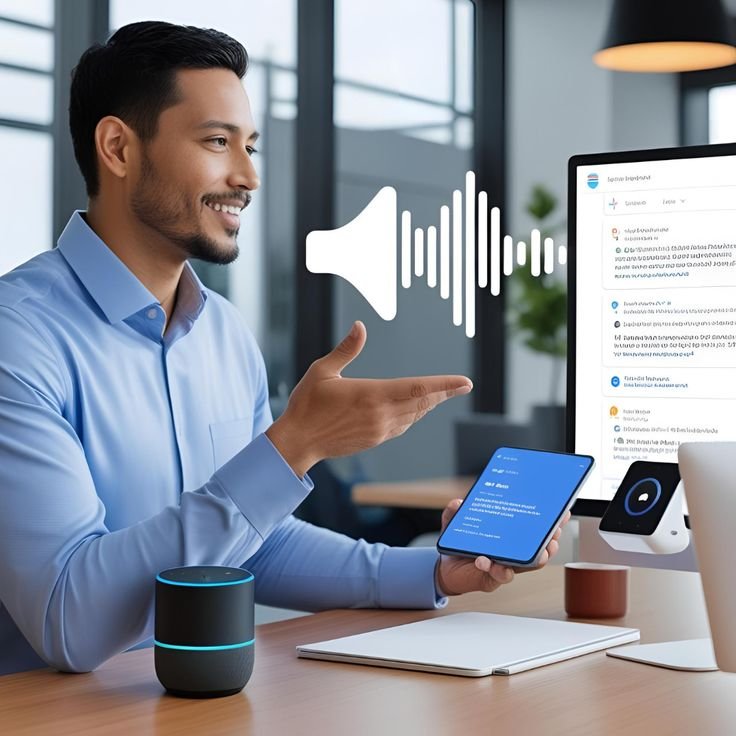
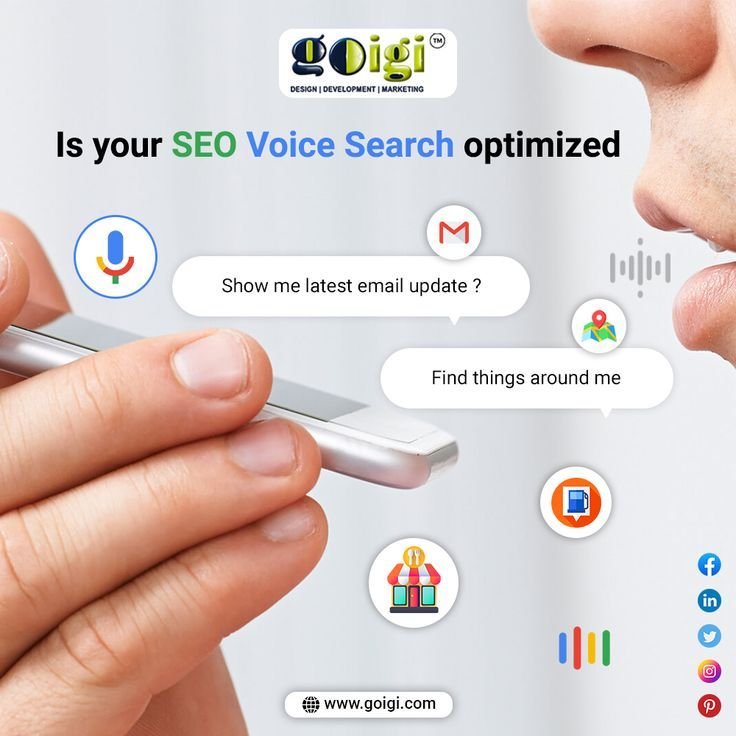
Search is no longer limited to typing keywords into a search bar. With the rapid adoption of voice assistants like Google Assistant, Siri, Alexa, and Cortana, consumers are increasingly using their voices to search for information, products, and services. This shift has given rise to voice search marketing, one of the most important digital marketing trends in 2025.
Voice search is transforming how people interact with search engines. Queries are becoming more conversational, intent-driven, and localized, forcing businesses to rethink traditional SEO strategies. Brands that adapt early gain a powerful competitive advantage, while those that ignore voice search risk losing visibility and customers.
In this comprehensive guide, you’ll learn what voice search marketing is, why it matters, how it works, and the best voice search marketing strategies to dominate voice-first search results and future-proof your digital presence.
What Is Voice Search Marketing?
Voice search marketing is the process of optimizing digital content, websites, and online presence to appear in voice-based search results delivered through smart devices and virtual assistants.
Instead of typing queries, users ask questions like:
-
“What is the best digital marketing agency near me?”
-
“Which software is best for lead automation?”
-
“How do I improve my website SEO?”
Voice search marketing focuses on natural language optimization, search intent, featured snippets, and local SEO to ensure your brand becomes the spoken answer.
Why Voice Search Marketing Is Important in 2025
Voice search adoption continues to rise due to:
-
Smart speakers and wearable devices
-
Mobile-first usage
-
Faster, hands-free search experiences
-
AI-powered assistants
-
Improved speech recognition accuracy
Consumers now expect instant, accurate, and conversational answers. Businesses that optimize for voice search benefit from increased visibility, higher trust, and stronger brand authority.
Key reasons voice search marketing matters:
-
Voice search results often return only one answer
-
High local and purchase intent
-
Strong alignment with zero-click searches
-
Growing role in AI-powered search ecosystems
How Voice Search Is Different from Traditional Search
| Traditional Search | Voice Search |
|---|---|
| Short keywords | Long, conversational queries |
| Text-based | Spoken language |
| Multiple results | Often one answer |
| Keyword-focused | Intent-focused |
| Desktop & mobile | Mobile, smart speakers, wearables |
Optimizing for voice search requires a fundamentally different approach to SEO.
How Voice Search Works
Voice search relies on:
-
Natural Language Processing (NLP)
-
Machine learning
-
Semantic search
-
Structured data
-
Entity recognition
When a user speaks a query, the voice assistant:
-
Interprets intent and context
-
Searches indexed data
-
Selects the most relevant answer
-
Delivers it verbally
Most voice responses come from featured snippets, knowledge panels, and local listings.
Voice Search and Search Intent
Voice searches are highly intent-driven. Understanding intent is critical for success.
Common voice search intent types:
-
Informational: “What is voice search marketing?”
-
Local: “Best SEO agency near me”
-
Transactional: “Buy running shoes online”
-
Navigational: “Open YouTube app”
Optimizing content around intent increases your chances of being selected as the voice response.
Best Voice Search Marketing Strategies in 2025
1. Optimize for Conversational Keywords
Voice searches are longer and more natural.
Instead of:
-
“best CRM software”
Users say:
-
“What is the best CRM software for small businesses?”
Best practices:
-
Target long-tail keywords
-
Use question-based phrases
-
Write in natural, conversational language
2. Focus on Question-Based Content
Voice assistants prioritize content that answers questions directly.
Use formats like:
-
FAQs
-
How-to guides
-
Explainer content
-
Step-by-step answers
Structure content with clear H2 and H3 headings framed as questions.
3. Win Featured Snippets
Featured snippets are the primary source of voice search answers.
Tips to optimize for snippets:
-
Provide concise 30–50 word answers
-
Use bullet points and lists
-
Define topics clearly
-
Answer the question immediately
Ranking in featured snippets significantly boosts voice search visibility.
4. Optimize for Local Voice Search
A large percentage of voice searches are local.
Examples:
-
“Best restaurant near me”
-
“Digital marketing agency in Delhi”
Local optimization strategies:
-
Optimize Google Business Profile
-
Maintain accurate NAP (Name, Address, Phone)
-
Collect customer reviews
-
Add local keywords and FAQs
Local businesses benefit the most from voice search marketing.
5. Improve Website Page Speed and Mobile Optimization
Voice searches are mostly mobile-based.
Ensure:
-
Fast-loading pages
-
Mobile-friendly design
-
Secure HTTPS
-
Clean website structure
Google favors websites that deliver fast and seamless mobile experiences.
6. Use Structured Data and Schema Markup
Schema helps search engines understand your content better.
Important schema types:
-
FAQ schema
-
How-To schema
-
Organization schema
-
Local Business schema
Structured data increases eligibility for voice and rich results.
7. Optimize for Zero-Click Searches
Voice search and zero-click searches go hand in hand.
To succeed:
-
Provide complete answers
-
Focus on SERP visibility
-
Build topical authority
-
Optimize for AI-generated summaries
Even without clicks, voice visibility builds brand trust and recall.
8. Build Strong Domain and Brand Authority
Voice assistants trust authoritative sources.
Improve authority by:
-
Publishing expert-level content
-
Earning high-quality backlinks
-
Maintaining consistent branding
-
Strengthening E-E-A-T signals
Authoritative brands are more likely to be chosen as voice answers.
9. Optimize Content for Natural Language Processing (NLP)
Search engines now understand context, not just keywords.
Best practices:
-
Use synonyms and related terms
-
Avoid keyword stuffing
-
Write naturally
-
Cover topics comprehensively
NLP-friendly content performs better in voice and AI-driven search.
10. Optimize for Voice Commerce (V-Commerce)
Voice commerce is growing rapidly.
Examples:
-
Reordering products via voice
-
Booking services through assistants
Businesses should:
-
Optimize product descriptions
-
Simplify purchase journeys
-
Integrate voice-friendly CTAs
Voice commerce will play a major role in future digital sales.
Voice Search Marketing for Different Business Types
Voice Search for Local Businesses
-
Dominates “near me” searches
-
Drives foot traffic
-
Improves local discovery
Voice Search for eCommerce
-
Supports product discovery
-
Enhances reordering
-
Improves brand recall
Voice Search for SaaS Companies
-
Increases thought leadership
-
Supports top-of-funnel discovery
-
Enhances AI search visibility
Voice Search for Digital Marketing Agencies
-
Differentiates SEO services
-
Future-proofs client strategies
-
Adds premium optimization offerings
Best Tools for Voice Search Marketing
Some useful tools include:
-
Google Search Console
-
Google Business Profile
-
AnswerThePublic
-
SEMrush
-
Ahrefs
-
Schema markup tools
These tools help identify conversational queries and optimization opportunities.
Common Voice Search Marketing Mistakes to Avoid
-
Ignoring mobile optimization
-
Targeting only short keywords
-
Overlooking local SEO
-
Skipping structured data
-
Writing robotic content
-
Focusing only on traffic, not visibility
Avoiding these mistakes improves voice search performance significantly.
Measuring Voice Search Marketing Success
Traditional SEO metrics are not enough.
Track:
-
Featured snippet rankings
-
Impressions
-
Brand search growth
-
Local visibility
-
Assisted conversions
Voice search success is about being the answer, not just getting clicks.
The Future of Voice Search Marketing
Voice search will continue evolving with:
-
AI-powered assistants
-
Conversational AI search
-
Multimodal search (voice + visuals)
-
Personalized voice responses
-
Deeper integration with smart devices
Voice-first search is becoming the foundation of AI-driven discovery.
Why Voice Search Marketing Is a Competitive Advantage
Early adopters benefit from:
-
Less competition
-
Higher authority
-
Increased trust
-
Stronger brand recall
Voice search marketing is not a trend—it’s a shift in how users search.
Conclusion: Invest in the Best Voice Search Marketing Strategy Today
Voice search marketing is reshaping the future of digital marketing. As consumers rely more on voice assistants for answers, recommendations, and decisions, businesses must adapt their SEO and content strategies accordingly.
By implementing the best voice search marketing strategies—conversational content, intent optimization, local SEO, featured snippets, structured data, and authority building—you can position your brand as the preferred answer in voice-first search results.
Whether you’re a local business, global brand, SaaS company, or digital marketing agency, investing in voice search marketing today will ensure visibility, relevance, and growth in 2025 and beyond.