Table of Contents
ToggleBest Online Sales Funnel: The Complete Guide to Building High-Converting Sales Funnels (3000 Words)
In the modern digital economy, businesses must guide potential customers through a structured journey before they make a purchase. This process is known as an online sales funnel. A well-designed sales funnel helps businesses attract prospects, nurture leads, and convert them into loyal customers.
Companies across industries use online sales funnels to increase conversions and maximize revenue. Platforms such as Shopify, HubSpot, and ClickFunnels provide tools that help businesses build and manage effective sales funnels.
In this comprehensive guide, you will learn everything about creating the best online sales funnel, including funnel stages, strategies, tools, and optimization techniques.
What Is an Online Sales Funnel?
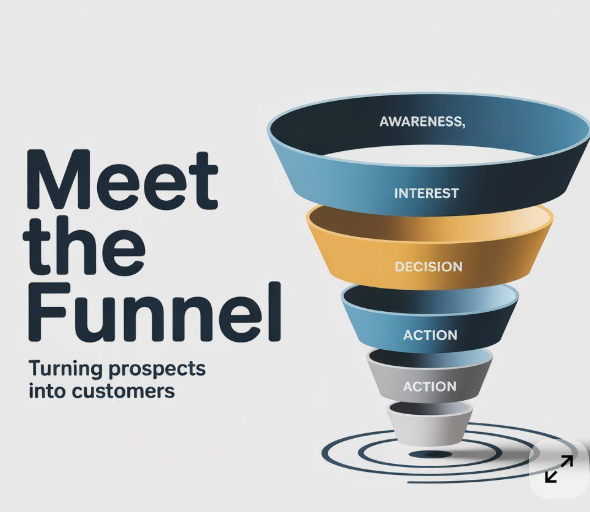
An online sales funnel is a marketing model that represents the journey a potential customer takes from discovering a brand to making a purchase.
It is called a funnel because many people enter the top of the funnel, but only a smaller percentage eventually become customers.
The typical stages of a sales funnel include:
-
Awareness
-
Interest
-
Consideration
-
Conversion
-
Retention
Each stage requires different marketing strategies to move prospects closer to a purchase.
Why Online Sales Funnels Are Important
A structured sales funnel offers many benefits for businesses.
1. Improves Conversion Rates
Sales funnels guide prospects through a step-by-step journey that increases the likelihood of conversions.
2. Helps Understand Customer Behavior
By analyzing funnel performance, businesses can identify where prospects drop off and improve those stages.
3. Automates Marketing Processes
Sales funnels can be automated using marketing tools and CRM platforms.
Tools such as HubSpot allow businesses to automate lead nurturing and email sequences.
4. Builds Long-Term Customer Relationships
Sales funnels do not end after a purchase. They also focus on customer retention and loyalty.
Stages of an Online Sales Funnel
Understanding each stage of the funnel helps businesses design effective marketing strategies.
Awareness Stage
The awareness stage is the top of the funnel where potential customers first learn about your brand.
Marketing strategies used in this stage include:
-
Search engine optimization
-
Content marketing
-
Social media marketing
-
Paid advertising
Platforms like Google help businesses attract audiences through search results and advertising.
Interest Stage
At this stage, prospects show interest in your products or services.
They may:
-
Visit your website
-
Read blog posts
-
Watch videos
-
Follow your social media pages
Providing valuable content helps maintain their interest.
Consideration Stage
In the consideration stage, prospects compare your offering with competitors.
Businesses should provide:
-
Product demonstrations
-
Case studies
-
Customer testimonials
-
Free trials
These resources help prospects evaluate your product’s value.
Conversion Stage
This stage is where prospects become customers.
Businesses encourage conversions through:
-
Special offers
-
Discounts
-
Limited-time promotions
-
Strong calls-to-action
E-commerce platforms like Shopify make it easy for businesses to process online transactions.
Retention Stage
After a purchase, businesses should focus on retaining customers.
Retention strategies include:
-
Email marketing
-
Loyalty programs
-
Customer support
-
Personalized offers
Customer retention often leads to repeat purchases and long-term revenue.
Key Components of a Successful Sales Funnel
Several components contribute to a high-performing online sales funnel.
Landing Pages
Landing pages are designed to convert visitors into leads or customers.
Effective landing pages include:
-
Clear headlines
-
Engaging visuals
-
Product benefits
-
Strong call-to-action buttons
Lead Magnets
Lead magnets attract potential customers by offering something valuable in exchange for contact information.
Examples include:
-
Free ebooks
-
Webinars
-
Checklists
-
Discount codes
Lead magnets help build email lists and nurture leads.
Email Marketing Automation
Email marketing helps nurture leads and move them through the funnel.
Automation platforms like Mailchimp allow businesses to send personalized email sequences.
Examples of automated emails include:
-
Welcome emails
-
Educational content
-
Promotional offers
Retargeting Ads
Retargeting ads show advertisements to users who previously visited your website.
Platforms like Facebook and Google Ads allow businesses to run remarketing campaigns.
Retargeting helps re-engage potential customers who did not convert initially.
Best Tools for Building Online Sales Funnels
Several marketing platforms help businesses create and manage sales funnels.
ClickFunnels
ClickFunnels is a popular platform for building sales funnels.
It offers features such as:
-
Funnel templates
-
Landing page builders
-
Payment integrations
HubSpot
HubSpot provides CRM and marketing automation tools.
Businesses can track leads, automate campaigns, and manage customer relationships.
Shopify
Shopify helps e-commerce businesses build online stores and manage sales funnels.
It integrates with marketing and analytics tools.
Google Analytics
Google Analytics helps track user behavior and funnel performance.
Businesses can analyze where users drop off and optimize those stages.
Strategies to Optimize Your Sales Funnel
Optimizing your funnel ensures higher conversions and better user experiences.
Improve Website User Experience
A fast, user-friendly website improves engagement and conversions.
Focus on:
-
Mobile optimization
-
Fast loading speeds
-
Simple navigation
Use Personalization
Personalized marketing messages improve customer engagement.
Examples include:
-
Personalized emails
-
Product recommendations
-
Customized landing pages
Conduct A/B Testing
Testing different funnel elements helps identify what works best.
Test elements such as:
-
Headlines
-
Images
-
CTA buttons
-
Pricing strategies
Use Social Proof
Social proof builds trust with potential customers.
Examples include:
-
Customer reviews
-
Testimonials
-
Case studies
Displaying positive feedback increases credibility.
Common Sales Funnel Mistakes
Avoid these mistakes when building your online sales funnel.
Ignoring Lead Nurturing
Many businesses focus only on acquiring leads but fail to nurture them properly.
Lead nurturing through emails and content is essential.
Complicated Checkout Process
A complicated checkout process may discourage customers from completing purchases.
Simplify the process to improve conversions.
Lack of Analytics Tracking
Without data tracking, businesses cannot identify funnel weaknesses.
Tools like Google Analytics help analyze funnel performance.
Future of Online Sales Funnels
Sales funnels are evolving with new technologies such as artificial intelligence and automation.
Companies like Google and Microsoft are developing AI-powered marketing tools that optimize funnels automatically.
Future sales funnels will focus more on personalization, predictive analytics, and seamless omnichannel experiences.
Conclusion
An effective online sales funnel is essential for guiding potential customers through the buying journey. By attracting prospects, nurturing leads, and converting them into customers, businesses can increase sales and build long-term relationships.
Successful funnels combine multiple marketing strategies such as content marketing, email automation, retargeting ads, and data analytics. Tools like HubSpot, ClickFunnels, and Google Analytics help businesses manage and optimize their sales funnels effectively.