Table of Contents
ToggleThe Ultimate Guide to Building the Best Email List
Introduction
In the ever-evolving digital marketing landscape, email marketing remains one of the most powerful and cost-effective strategies for business growth. While social media platforms and paid advertising are valuable, your email list is the one asset you truly own and control.
Building a high-quality email list allows you to connect directly with your audience, nurture relationships, and drive consistent conversions. However, success doesn’t come from simply collecting email addresses—it requires a strategic, value-driven approach.
This comprehensive guide will walk you through the best email list building strategies, tools, and techniques to help you grow a targeted and engaged audience.
What is Email List Building?
Email list building is the process of collecting email addresses from potential and existing customers with their consent. These contacts can then be nurtured through email campaigns to build relationships and drive sales.
A strong email list is:
- Permission-based
- Targeted
- Engaged
- Continuously growing
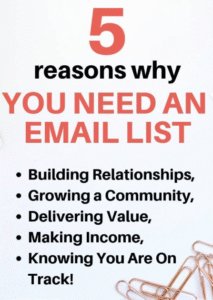
Why Email List Building is Important
1. Direct Communication Channel
Email allows you to reach your audience without relying on algorithms.
2. Higher Conversion Rates
Email marketing consistently delivers higher ROI compared to other channels.
3. Ownership of Audience
Unlike social media, your email list is fully controlled by you.
4. Personalization Opportunities
Segmented lists allow highly personalized messaging.
5. Long-Term Business Asset
Your list becomes more valuable as it grows.
Step-by-Step Guide to Building the Best Email List
Step 1: Define Your Target Audience
Before collecting emails, understand:
- Who your audience is
- Their needs and pain points
- Their preferences
Create Audience Personas:
- Demographics
- Interests
- Behavior
- Buying stage
Step 2: Create High-Value Lead Magnets
A lead magnet is something valuable you offer in exchange for an email.
Popular Lead Magnet Ideas:
- Ebooks
- Checklists
- Templates
- Free courses
- Webinars
- Discount codes
- Case studies
Characteristics of a Great Lead Magnet:
- Solves a specific problem
- Easy to consume
- High perceived value
- Relevant to your audience
Step 3: Optimize Your Website for Conversions
Your website should be designed to capture emails effectively.
Key Elements:
- Pop-ups
- Slide-ins
- Sticky bars
- Embedded forms
Best Practices:
- Use clear CTAs
- Keep forms simple
- Offer incentives
- Optimize for mobile
Step 4: Use Landing Pages
Dedicated landing pages improve conversions.
Features:
- Focused message
- No distractions
- Strong headline
- Clear CTA
Landing pages are ideal for campaigns and ads.
Step 5: Leverage Content Marketing
Content marketing drives organic email signups.
Content Types:
- Blog posts
- Videos
- Infographics
- Podcasts
Strategy:
- Add opt-ins within content
- Use content upgrades
- Promote lead magnets
Step 6: Utilize Social Media
Promote your email list on social platforms.
Strategies:
- Share lead magnets
- Run contests
- Use bio links
- Promote webinars
Step 7: Run Paid Campaigns
Paid ads can accelerate list growth.
Platforms:
- Facebook Ads
- Google Ads
- Instagram Ads
Tips:
- Target the right audience
- Promote valuable lead magnets
- Optimize landing pages
Step 8: Use Exit-Intent Popups
Capture users before they leave your site.
Benefits:
- Reduce bounce rate
- Increase conversions
Step 9: Implement Referral Programs
Encourage subscribers to refer others.
Incentives:
- Discounts
- Free resources
- Exclusive content
Step 10: Host Webinars and Events
Live events are powerful for list building.
Benefits:
- High engagement
- Authority building
- Quality leads
Step 11: Segment Your Email List
Not all subscribers are the same.
Segmentation Criteria:
- Behavior
- Interests
- Purchase history
- Engagement level
Segmentation improves targeting and results.
Step 12: Maintain List Hygiene
Clean your list regularly.
Remove:
- Inactive subscribers
- Invalid emails
This improves deliverability and engagement.
Advanced Email List Building Strategies
1. Content Upgrades
Offer bonus content within blog posts.
Example:
- “Download the checklist version of this guide.”
2. Gamification
Use spin wheels, quizzes, and interactive tools.
3. Personalization
Tailor opt-ins based on user behavior.
4. Influencer Collaborations
Partner with influencers to reach new audiences.
5. Co-Marketing Campaigns
Collaborate with other brands to grow your list.
Best Tools for Email List Building
Email Marketing Platforms:
- Mailchimp
- ConvertKit
- ActiveCampaign
Lead Capture Tools:
- OptinMonster
- Sumo
Landing Page Builders:
- Leadpages
- Unbounce
Common Mistakes to Avoid
- Buying email lists
- Using too many form fields
- Ignoring mobile optimization
- Not offering value
- Sending irrelevant content
Email List Building Trends
1. Privacy-First Marketing
Focus on transparency and consent.
2. AI-Powered Personalization
Use AI to tailor experiences.
3. Interactive Opt-Ins
Quizzes and surveys boost engagement.
4. Minimalist Forms
Short forms convert better.
Sample Email List Building Plan
| Week | Activity |
|---|---|
| 1 | Audience Research |
| 2 | Create Lead Magnet |
| 3 | Build Landing Pages |
| 4 | Launch Campaign |
| 5 | Optimize & Scale |
How to Grow Your Email List Faster
1. Offer Multiple Lead Magnets
Target different audience segments.
2. Use Strong CTAs
Make your offer irresistible.
3. Test Everything
Continuously optimize forms and pages.
4. Promote Everywhere
Website, social media, ads, and content.
Measuring Success
Key Metrics:
- Conversion rate
- List growth rate
- Bounce rate
- Open rate
- Click-through rate
Tracking helps improve performance.
How to Monetize Your Email List
Once your list is built, you can:
- Promote products
- Launch services
- Run affiliate marketing
- Sell courses
A strong list can become a major revenue driver.
Conclusion
Email list building is one of the most valuable investments you can make in your digital marketing strategy. It provides a direct line to your audience, increases engagement, and drives consistent revenue.
By offering value, optimizing your strategy, and continuously improving, you can build a high-quality email list that fuels long-term business growth.
Final Thoughts
The key to successful email list building is trust. Focus on delivering value, respecting your audience’s privacy, and maintaining consistent communication.
Start building your email list today, and turn your subscribers into loyal customers and brand advocates.
Remember, your email list is not just a marketing tool—it’s your business’s most powerful asset.