Table of Contents
ToggleThe Best Online Marketing Guide: A Complete Strategy for Business Growth
Introduction
Online marketing has become one of the most powerful tools for businesses looking to grow, reach global audiences, and increase revenue. With billions of people using the internet daily, companies now rely on digital platforms to promote products, engage customers, and build strong brand identities. Whether you are a startup, small business owner, or large enterprise, having a strong online marketing strategy is essential for long-term success.
Online marketing, also known as digital marketing or internet marketing, involves promoting products and services using digital channels such as search engines, websites, social media platforms, email, and online advertisements. Unlike traditional marketing methods like television or print ads, online marketing offers measurable results, precise audience targeting, and cost-effective campaign management.
This comprehensive online marketing guide explains everything you need to know about building an effective online marketing strategy. From understanding your target audience to leveraging SEO, content marketing, social media marketing, paid advertising, and data analytics, this guide will help you create a powerful digital presence and achieve your business goals.
What is Online Marketing?
Online marketing refers to the use of internet-based platforms and technologies to promote businesses, products, or services. It involves a variety of strategies and techniques designed to attract, engage, and convert customers online.
The primary goal of online marketing is to connect businesses with their target audience in a digital environment where consumers spend most of their time.
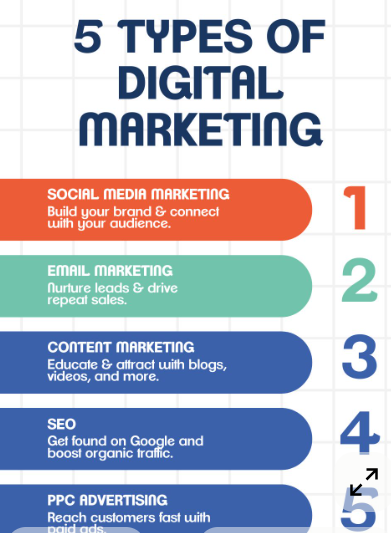
Online marketing includes several major channels such as:
-
Search engine optimization (SEO)
-
Content marketing
-
Social media marketing
-
Email marketing
-
Pay-per-click advertising (PPC)
-
Affiliate marketing
-
Influencer marketing
-
Mobile marketing
These channels work together to create a complete digital marketing ecosystem.
Importance of Online Marketing
Online marketing plays a crucial role in modern business growth. Companies that leverage digital strategies gain a competitive advantage in the marketplace.
Global Reach
The internet allows businesses to reach customers worldwide. Even small businesses can access global markets through online platforms.
Cost-Effective Marketing
Compared to traditional advertising, online marketing campaigns often require lower budgets and provide higher return on investment.
Measurable Results
Online marketing platforms provide detailed analytics that help marketers track campaign performance, conversions, and customer behavior.
Better Customer Engagement
Businesses can communicate directly with customers through social media, email, and online communities.
Targeted Advertising
Digital marketing tools allow businesses to target audiences based on demographics, interests, behavior, and location.
Key Components of Online Marketing
An effective online marketing strategy includes several important components that work together to achieve business objectives.
Search Engine Optimization (SEO)
SEO is the process of optimizing websites and content to rank higher on search engine results pages. Higher rankings increase website visibility and organic traffic.
Important SEO strategies include:
-
Keyword research
-
On-page optimization
-
technical SEO
-
backlink building
-
local SEO
SEO is one of the most powerful long-term marketing strategies.
Content Marketing
Content marketing focuses on creating valuable and informative content that attracts and engages target audiences.
Popular content formats include:
-
Blog posts
-
Videos
-
Infographics
-
Podcasts
-
Ebooks
-
Case studies
High-quality content builds trust, improves SEO rankings, and establishes brand authority.
Social Media Marketing
Social media platforms allow businesses to interact with customers, build brand awareness, and promote products.
Popular social media platforms include:
-
Facebook
-
Instagram
-
LinkedIn
-
Twitter
-
YouTube
-
Pinterest
Effective social media marketing strategies include consistent posting, audience engagement, and targeted advertising.
Pay-Per-Click Advertising (PPC)
PPC advertising allows businesses to display ads on search engines or websites and pay only when users click on their ads.
Common PPC platforms include:
-
search engine ads
-
display ads
-
social media ads
-
video ads
PPC campaigns generate immediate traffic and leads.
Email Marketing
Email marketing remains one of the most effective online marketing channels. Businesses use email campaigns to communicate with customers, promote products, and nurture leads.
Common email campaigns include:
-
welcome emails
-
promotional emails
-
newsletters
-
abandoned cart emails
-
product updates
Personalized email campaigns significantly improve engagement and conversions.
Affiliate Marketing
Affiliate marketing involves partnering with individuals or organizations that promote products in exchange for a commission.
Affiliates generate traffic through blogs, social media, websites, or email marketing.
This strategy helps businesses expand their reach without large advertising costs.
Influencer Marketing
Influencer marketing involves collaborating with social media influencers who have large audiences and strong credibility.
Influencers promote products to their followers, helping brands reach targeted audiences quickly.
This strategy is particularly effective for lifestyle, fashion, beauty, and technology industries.
Building an Effective Online Marketing Strategy
Creating a successful online marketing strategy requires careful planning and execution.
Step 1: Define Business Goals
The first step in online marketing is identifying clear objectives.
Examples include:
-
Increasing website traffic
-
Generating leads
-
boosting online sales
-
improving brand awareness
-
growing social media followers
Setting clear goals helps guide marketing efforts.
Step 2: Identify Target Audience
Understanding the target audience helps businesses create relevant marketing campaigns.
Important audience factors include:
-
Age
-
Gender
-
Location
-
interests
-
purchasing behavior
Creating buyer personas helps marketers visualize their ideal customers.
Step 3: Conduct Competitor Analysis
Studying competitors helps identify opportunities and market trends.
Competitor analysis includes:
-
analyzing competitor websites
-
studying their SEO strategies
-
reviewing social media activity
-
evaluating advertising campaigns
This information helps businesses develop better marketing strategies.
Step 4: Choose the Right Marketing Channels
Not every digital channel works for every business. Companies should focus on platforms where their audience spends the most time.
Examples include:
-
SEO for long-term traffic
-
social media for engagement
-
PPC ads for quick leads
-
email marketing for customer retention
Combining multiple channels creates a balanced marketing strategy.
Step 5: Create High-Quality Content
Content is the foundation of successful online marketing.
Effective content should be:
-
informative
-
engaging
-
relevant
-
optimized for search engines
Consistency in publishing content helps build audience trust.
Step 6: Optimize for Mobile Users
A large percentage of internet users access websites through mobile devices.
Businesses must ensure:
-
mobile-friendly websites
-
fast page loading speed
-
responsive design
Mobile optimization improves user experience and SEO rankings.
Step 7: Track Performance with Analytics
Data analytics is essential for measuring marketing success.
Key metrics include:
-
website traffic
-
conversion rates
-
customer acquisition cost
-
engagement rates
-
return on investment
Regular analysis helps marketers improve campaigns.
Online Marketing Tools
Various tools help businesses manage and optimize online marketing activities.
SEO Tools
SEO tools help with keyword research, site audits, and backlink analysis.
Social Media Management Tools
These tools allow marketers to schedule posts, monitor engagement, and manage multiple social accounts.
Email Marketing Platforms
Email platforms automate campaigns and track subscriber engagement.
Analytics Tools
Analytics platforms provide insights into website traffic and user behavior.
Online Marketing Trends
The online marketing landscape continues to evolve with new technologies and consumer behaviors.
Artificial Intelligence Marketing
AI-powered tools automate marketing tasks, analyze data, and personalize customer experiences.
Video Marketing
Video content is one of the fastest-growing marketing formats across social media and websites.
Voice Search Optimization
More users are searching through voice assistants, creating new SEO opportunities.
Personalization
Personalized marketing messages improve customer engagement and conversion rates.
Common Online Marketing Mistakes
Businesses often make mistakes that reduce marketing effectiveness.
Lack of Strategy
Running campaigns without a clear strategy leads to wasted resources.
Ignoring SEO
Without SEO optimization, websites struggle to attract organic traffic.
Poor Content Quality
Low-quality content fails to engage audiences.
Not Using Data Analytics
Without data analysis, marketers cannot improve campaigns.
Inconsistent Branding
Brand messaging should remain consistent across all marketing channels.
Best Practices for Online Marketing Success
To achieve long-term success in online marketing, businesses should follow several best practices.
Focus on Customer Experience
Providing excellent user experience improves customer satisfaction and loyalty.
Maintain Consistent Branding
A consistent brand voice strengthens brand identity.
Use Data-Driven Decision Making
Marketing strategies should be based on analytics and insights.
Experiment and Test
A/B testing helps identify the most effective campaigns.
Invest in Quality Content
Content that provides value to audiences generates long-term engagement.
Benefits of Online Marketing
Businesses that invest in online marketing enjoy numerous benefits.
-
Increased brand visibility
-
Higher website traffic
-
Improved customer engagement
-
better lead generation
-
higher sales conversions
Online marketing also allows companies to compete effectively regardless of size or location.
Conclusion
Online marketing has transformed how businesses connect with customers and promote their products in the digital world. By leveraging strategies such as SEO, content marketing, social media marketing, email campaigns, and paid advertising, businesses can build powerful marketing systems that drive growth and profitability.
A successful online marketing strategy requires understanding the target audience, creating high-quality content, choosing the right platforms, and continuously analyzing performance data. Companies that adopt a structured and data-driven approach to online marketing can achieve sustainable growth and remain competitive in an increasingly digital marketplace.
As technology continues to evolve, online marketing will become even more sophisticated, offering businesses new opportunities to reach audiences and create meaningful customer experiences. Organizations that stay updated with marketing trends and continuously optimize their strategies will be well-positioned for long-term success in the digital economy.