Table of Contents
ToggleOrganic vs Paid Social Media Strategy: The Ultimate Guide for Maximum Growth & ROI
Introduction
In today’s digital marketing ecosystem, social media has become one of the most powerful channels for brand growth, engagement, and revenue generation. However, businesses often face a critical question:
Should you focus on organic social media or invest in paid social advertising?
The answer isn’t as simple as choosing one over the other. The most successful brands use a balanced combination of both organic and paid strategies to maximize reach, engagement, and ROI.
This comprehensive guide explores the differences, benefits, strategies, and best practices of organic vs paid social media—and how to combine them effectively for long-term success.
What is Organic Social Media?
Organic social media refers to unpaid content that you share on your social platforms to engage your audience naturally.
Examples:
- Regular posts
- Stories
- Reels
- Comments and replies
Key Goal:
Build relationships, trust, and community.
What is Paid Social Media?
Paid social media involves advertising on social platforms to reach a targeted audience.
Examples:
- Facebook Ads
- Instagram Ads
- LinkedIn Sponsored Posts
- YouTube Ads
Key Goal:
Drive immediate results such as traffic, leads, and sales.
Organic vs Paid Social: Key Differences
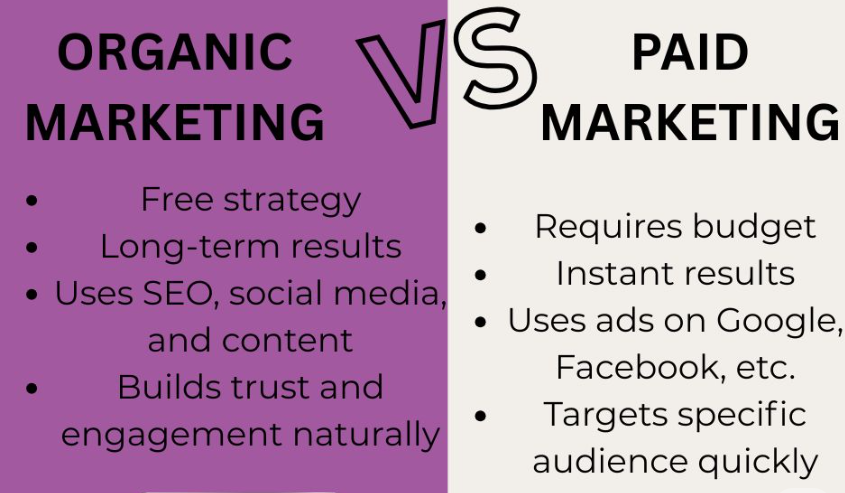
| Factor | Organic Social | Paid Social |
|---|---|---|
| Cost | Free | Paid |
| Reach | Limited | Highly scalable |
| Speed | Slow growth | Instant results |
| Trust | High | Moderate |
| ROI Timeline | Long-term | Short-term |
Benefits of Organic Social Media
1. Builds Brand Trust
Organic content feels authentic and credible.
2. Cost-Effective
No direct ad spend required.
3. Long-Term Growth
Consistent posting leads to sustainable growth.
4. Community Building
Encourages engagement and loyalty.
Benefits of Paid Social Media
1. Instant Visibility
Reach thousands of users immediately.
2. Advanced Targeting
Target users based on demographics, interests, and behavior.
3. Scalable Campaigns
Increase budget to scale results.
4. Measurable ROI
Track performance in real time.
When to Use Organic Social Media
Organic is ideal for:
- Brand awareness
- Community engagement
- Thought leadership
- Content marketing
When to Use Paid Social Media
Paid is ideal for:
- Lead generation
- Product launches
- Promotions
- Retargeting
Best Organic Social Media Strategies
1. Consistent Content Creation
Posting regularly is key to growth.
Ideal Frequency:
- Instagram: 5–7 times/week
- LinkedIn: 3–5 times/week
2. Focus on High-Quality Content
Quality content drives engagement.
Types:
- Educational
- Entertaining
- Inspirational
3. Leverage Short-Form Videos
Reels and short videos have high reach.
4. Engage With Your Audience
Reply to comments and messages.
5. Use Hashtags Strategically
Increase discoverability.
6. Build a Community
Create loyal followers through interaction.
7. Collaborate With Influencers
Expand reach organically.
Best Paid Social Media Strategies
1. Define Clear Campaign Goals
Examples:
- Traffic
- Leads
- Sales
2. Target the Right Audience
Use detailed targeting options.
3. Create High-Converting Ads
Elements:
- Strong visuals
- Clear message
- Compelling CTA
4. Use Retargeting Campaigns
Target users who have already interacted with your brand.
5. A/B Test Ads
Test different creatives and audiences.
6. Optimize Landing Pages
Ensure high conversion rates.
7. Monitor and Adjust Campaigns
Use analytics to improve performance.
Combining Organic and Paid Strategies
The best approach is to integrate both strategies.
1. Use Organic Content to Build Trust
Post valuable content regularly.
2. Boost High-Performing Posts
Turn successful organic posts into ads.
3. Use Paid Ads to Amplify Reach
Promote content to a wider audience.
4. Retarget Organic Visitors
Use paid ads to convert engaged users.
5. Create a Full Funnel Strategy
Awareness:
- Organic posts
- Paid reach campaigns
Consideration:
- Educational content
- Retargeting ads
Conversion:
- Offers
- Lead generation ads
Content Strategy for Organic vs Paid
Organic Content:
- Educational posts
- Behind-the-scenes
- Stories
- Community engagement
Paid Content:
- Sales-driven ads
- Promotions
- Lead magnets
Metrics to Track
Organic Metrics:
- Engagement rate
- Reach
- Follower growth
Paid Metrics:
- Cost per click (CPC)
- Conversion rate
- Return on ad spend (ROAS)
Budget Allocation Strategy
Suggested Split:
- 60% Organic
- 40% Paid
(Adjust based on business goals)
Common Mistakes to Avoid
Organic Mistakes:
- Inconsistent posting
- Low-quality content
- Ignoring engagement
Paid Mistakes:
- Poor targeting
- Weak creatives
- No testing
Example Strategy for a Business
Month 1:
- Build organic presence
- Start posting consistently
Month 2:
- Launch small paid campaigns
- Test audiences
Month 3:
- Scale successful ads
- Combine strategies
Future Trends in Social Media Marketing
- AI-driven advertising
- Video-first content
- Personalized ads
- Community-based marketing
Conclusion
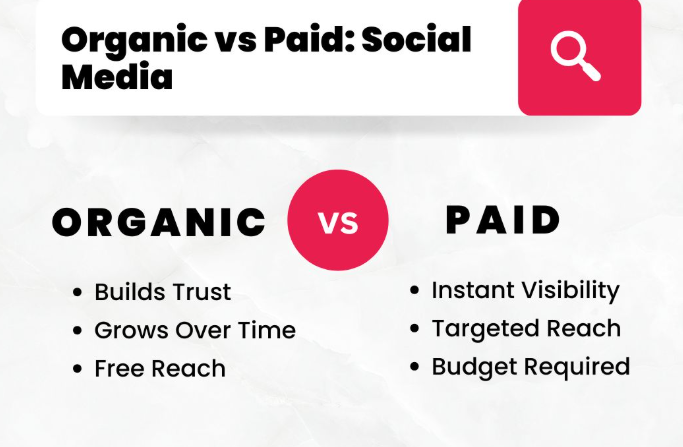
Organic and paid social media strategies are not competitors—they are complementary. While organic builds trust and long-term growth, paid delivers quick results and scalability.
To succeed in today’s competitive market, businesses must leverage both strategies effectively. By combining consistent organic content with targeted paid campaigns, you can maximize reach, engagement, and ROI.
Final Takeaways
- Organic builds trust and long-term growth
- Paid delivers quick and scalable results
- Combine both for maximum impact
- Focus on quality content and targeting
- Track and optimize performance