Table of Contents
ToggleBest Digital Marketing Industry Insights: Trends, Strategies, and Future Opportunities (3000 Words)
Digital marketing has transformed the way businesses connect with customers. With billions of people using the internet every day, companies rely heavily on digital marketing strategies to reach audiences, generate leads, and increase revenue. The industry is constantly evolving due to advancements in technology, changing consumer behavior, and new marketing platforms.
Major technology companies such as Google, Meta Platforms, and Amazon are shaping the future of digital marketing by introducing innovative advertising tools, analytics platforms, and AI-powered solutions.
This comprehensive guide explores the best digital marketing industry insights, including current trends, emerging technologies, strategies, and future opportunities that marketers should understand to stay competitive.
What Is Digital Marketing?
Digital marketing refers to the promotion of products or services using digital channels such as websites, search engines, social media, email, and online advertising.
Unlike traditional marketing, digital marketing provides measurable results and allows businesses to target specific audiences more effectively.
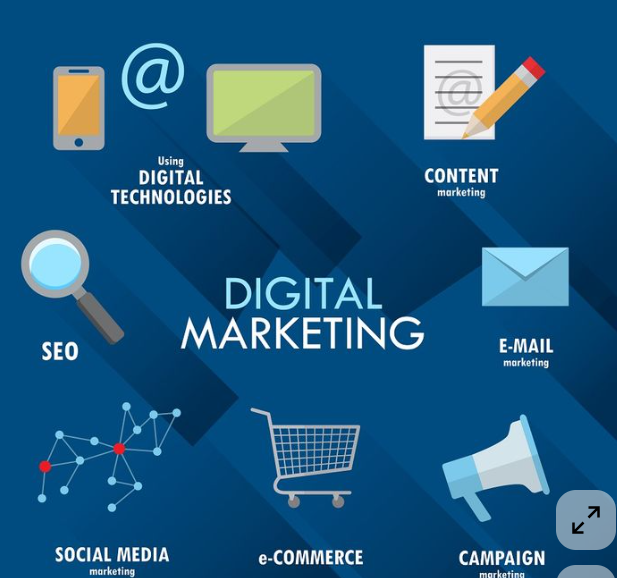
Key components of digital marketing include:
-
Search Engine Optimization (SEO)
-
Content Marketing
-
Social Media Marketing
-
Email Marketing
-
Paid Advertising
-
Affiliate Marketing
-
Influencer Marketing
Digital marketing has become essential for businesses of all sizes.
Growth of the Digital Marketing Industry
The digital marketing industry has experienced rapid growth over the past decade.
Several factors contribute to this growth:
-
Increased internet usage
-
Expansion of social media platforms
-
Growth of e-commerce businesses
-
Advances in mobile technology
Companies worldwide invest billions of dollars annually in digital marketing campaigns.
Platforms like Google dominate online advertising with powerful tools such as Google Ads and advanced search algorithms that influence how businesses optimize their websites.
Key Digital Marketing Trends
Understanding industry trends helps businesses stay ahead of competitors.
Below are some of the most important digital marketing trends shaping the industry.
Artificial Intelligence in Marketing
Artificial intelligence is revolutionizing digital marketing.
AI-powered tools analyze large amounts of data to improve marketing decisions.
Examples of AI applications include:
-
Personalized recommendations
-
Automated advertising campaigns
-
Chatbots for customer service
-
Predictive analytics
Companies like Microsoft and Google are investing heavily in AI-driven marketing technologies.
Personalization and Customer Experience
Modern consumers expect personalized experiences.
Businesses now use customer data to create tailored marketing campaigns.
Personalization techniques include:
-
Personalized email campaigns
-
Product recommendations
-
Customized website experiences
-
Targeted advertisements
Personalized marketing increases engagement and conversion rates.
Video Marketing Expansion
Video content has become one of the most effective marketing formats.
Platforms such as YouTube and TikTok attract billions of users worldwide.
Businesses use video marketing for:
-
Product demonstrations
-
Tutorials
-
Brand storytelling
-
Customer testimonials
Video content often generates higher engagement compared to text or images.
Voice Search Optimization
Voice search is becoming increasingly popular with the growth of smart devices.
Consumers now use voice assistants like:
-
Google Assistant
-
Amazon Alexa
This trend is changing how businesses approach search engine optimization.
Websites must optimize content for conversational keywords and natural language queries.
Influencer Marketing Growth
Influencer marketing has become a major part of digital marketing strategies.
Influencers promote products to their followers through social media platforms like Instagram and TikTok.
Benefits of influencer marketing include:
-
Authentic product recommendations
-
Increased brand visibility
-
Access to targeted audiences
Many brands collaborate with micro-influencers to achieve higher engagement rates.
Data-Driven Marketing
Data analytics plays a crucial role in modern marketing strategies.
Businesses analyze customer data to understand behavior and preferences.
Analytics platforms such as Google Analytics help marketers measure campaign performance and optimize marketing strategies.
Data-driven marketing leads to better decision-making and improved ROI.
Key Digital Marketing Channels
Several digital channels help businesses reach their target audiences.
Search Engine Marketing
Search engine marketing includes both organic and paid strategies.
SEO helps websites rank higher in search results, while paid ads allow businesses to appear instantly for targeted keywords.
Platforms like Google Ads provide advanced search advertising capabilities.
Social Media Marketing
Social media platforms have become essential marketing channels.
Popular platforms include:
-
Facebook
-
Instagram
-
LinkedIn
-
TikTok
Businesses use social media to share content, interact with customers, and run advertising campaigns.
Content Marketing
Content marketing focuses on creating valuable content that attracts and engages audiences.
Examples include:
-
Blog articles
-
Infographics
-
Videos
-
Podcasts
High-quality content helps build authority and improve search rankings.
Email Marketing
Email marketing remains one of the most cost-effective digital marketing strategies.
Businesses use email campaigns to:
-
Nurture leads
-
Promote products
-
Share updates
Platforms like Mailchimp help automate email marketing campaigns.
Display Advertising
Display advertising uses visual ads to promote products across websites and apps.
The Google Display Network enables advertisers to reach millions of users online.
Display ads are particularly effective for brand awareness campaigns.
Digital Marketing Industry Challenges
Despite its growth, the digital marketing industry faces several challenges.
Increasing Competition
As more businesses invest in digital marketing, competition for online visibility becomes more intense.
Companies must continuously innovate to stay ahead.
Privacy Regulations
Data privacy regulations such as GDPR have changed how businesses collect and use customer data.
Marketers must ensure compliance while maintaining effective targeting strategies.
Ad Fatigue
Consumers are exposed to thousands of advertisements daily.
Overexposure can lead to ad fatigue, reducing engagement rates.
Creative and relevant advertising is necessary to capture attention.
Skills Gap
The rapid evolution of digital marketing technologies requires marketers to constantly update their skills.
Professionals must stay informed about new tools, algorithms, and strategies.
Future of Digital Marketing
The digital marketing landscape will continue evolving as technology advances.
Several emerging trends will shape the future of the industry.
Artificial Intelligence Automation
AI-powered automation will streamline many marketing processes.
Automated systems will manage:
-
Ad targeting
-
Campaign optimization
-
Customer segmentation
Companies like Google are already integrating AI into marketing platforms.
Augmented Reality Marketing
Augmented reality allows customers to interact with products virtually.
Retail brands use AR technology to provide immersive shopping experiences.
Conversational Marketing
Conversational marketing focuses on real-time communication with customers.
Chatbots and messaging apps are becoming essential tools for engaging audiences.
Platforms such as WhatsApp and Messenger support conversational marketing strategies.
Omnichannel Marketing
Omnichannel marketing integrates multiple channels to provide a seamless customer experience.
Businesses combine:
-
Social media
-
Email marketing
-
Search advertising
-
Website content
This integrated approach improves customer engagement and conversions.
Best Practices for Digital Marketers
To succeed in the digital marketing industry, marketers should follow several best practices.
Focus on Customer Experience
Customer experience should be the center of all marketing strategies.
Businesses must understand customer needs and deliver valuable solutions.
Invest in Quality Content
High-quality content attracts audiences and builds brand authority.
Content should be informative, engaging, and relevant.
Use Data for Decision-Making
Data analytics helps marketers evaluate campaign performance and improve strategies.
Tools like Google Analytics provide valuable insights.
Stay Updated With Industry Trends
The digital marketing landscape changes rapidly.
Marketers must continuously learn and adapt to new technologies and strategies.
Conclusion
Digital marketing has become a critical component of modern business strategies. As technology evolves and consumer behavior changes, marketers must adapt to new trends, tools, and platforms.
Key insights such as artificial intelligence, video marketing, influencer collaborations, and data-driven strategies are shaping the future of the industry. Companies that embrace innovation and focus on customer experience will gain a competitive advantage in the digital marketplace.
By leveraging platforms like Google Ads, engaging audiences through Instagram and TikTok, and analyzing performance using Google Analytics, businesses can develop effective digital marketing strategies that drive long-term growth.